THE ADVENTURE COLLECTIVE® · Independent discovery and booking for outdoor travel

Escape Marrakech for a day and traverse olive orchards, stone plateaux and Nfis valley to visit Berber homes, taste local cooking and take an optional 2‑hour hike beneath the High Atlas.
Escape Marrakech for a day and traverse olive orchards, stone plateaux and Nfis valley to visit Berber homes, taste local cooking and take an optional 2‑hour hike beneath the High Atlas.
The minivan slips out of Marrakech at first light, eucalyptus trees blurring past as the city’s heat loosens its grip and the road climbs toward the High Atlas.
Verified experiences and guided adventures in the surrounding area.
Operated by Uncommon Morocco · Marrakech, Marrakesh-Safi
The minivan slips out of Marrakech at first light, eucalyptus trees blurring past as the city’s heat loosens its grip and the road climbs toward the High Atlas.
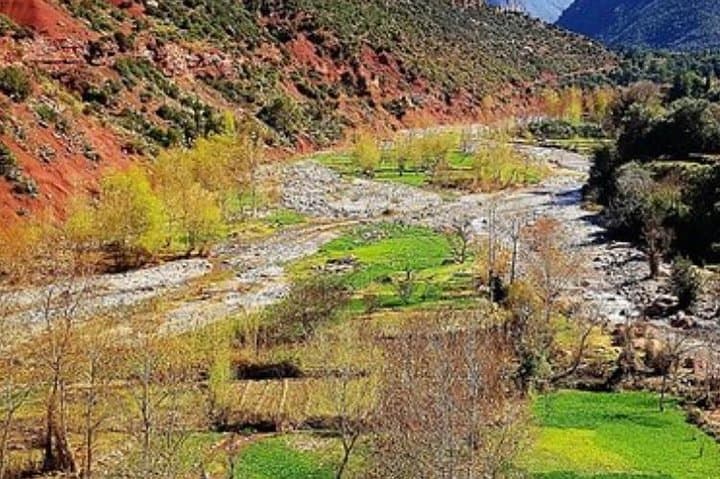
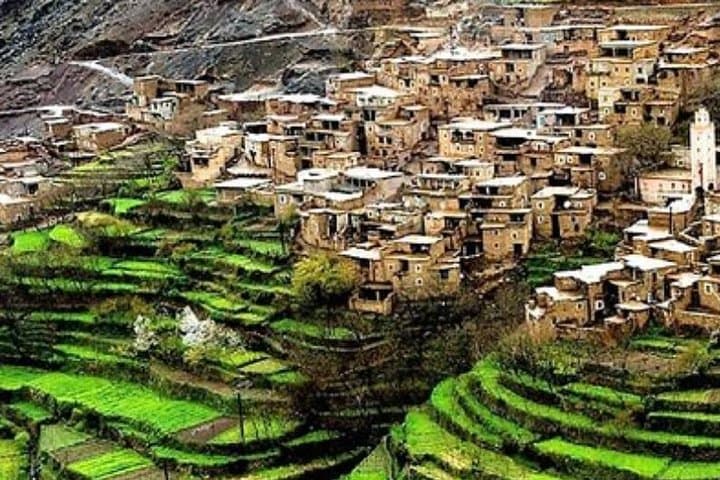
Olive groves and orange orchards give way to sun-baked plateaux and a different kind of silence—stone desert that seems to dare you forward. Small Berber villages appear on ridgelines, low houses of earth and stone where goats navigate terraces and smoke curls from tiny kitchens. By midmorning you’ll reach the edge of Lalla Takerkoust and later the Nfis valley; water here reflects the sky and pushes life into the arid slopes.
This route follows old mountain tracks used for centuries by Amazigh (Berber) communities and trade caravans. Geologically, you move from river-carved valleys to harder, uplifted ridges of the High Atlas—Toubkal watches on the horizon.
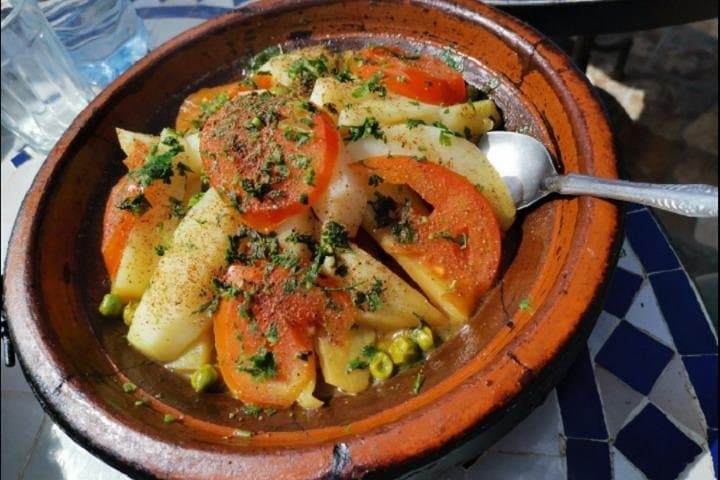
Culturally the day centers on local exchange: a home-cooked Berber lunch, a guided walk through a village, and the chance to learn how mint tea is prepared. There’s an optional 2‑hour hike after lunch—moderate paths, mixed dirt and rocky trail, roughly 200–400m of elevation gain depending on the route.
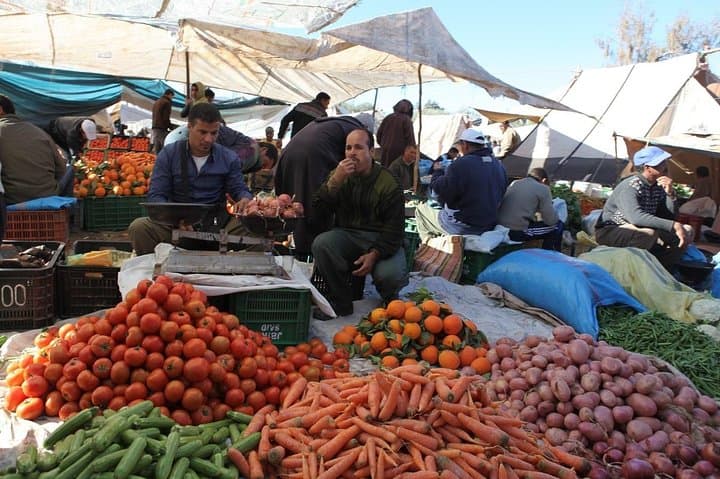
Practical takeaways: start early to avoid afternoon heat, wear sturdy shoes for uneven village tracks, carry at least 2 liters of water, and bring small change for markets and tips. Modest dress is appreciated in rural homes. The private minivan and local guide make this an efficient way to see both desert scenery and mountain life in a single day—an accessible, sensory-rich snapshot of the Atlas and the people who live there.
moderate.
9 hours.
Suitable for travelers who can handle several hours of walking with some short climbs; basic stamina required for the optional 2‑hour hike.
Yes — the tour includes pickup from accommodation in Marrakech and private transport in an air‑conditioned minivan.
A fresh Berber meal in a local house is included and often features seasonal vegetables and bread.
The guided hike is typically about 2 hours with moderate terrain and roughly 200–400m elevation gain depending on the chosen route.
Drivers/guides commonly speak French or English; Spanish can be requested in advance.
The High Atlas has long been inhabited by Amazigh (Berber) communities whose seasonal routes and terrace farming shaped the valleys and village layouts seen today.
Water is scarce in parts of the region—minimize waste, avoid single‑use plastics and ask before entering private agricultural areas to reduce impact.
Uncommon Morocco operates guided outdoor trips and adventures with an emphasis on safety, stewardship, and memorable experiences.
The minivan slips out of Marrakech at first light, eucalyptus trees blurring past as the city’s heat loosens its grip and the road climbs toward the High Atlas.
The minivan slips out of Marrakech at first light, eucalyptus trees blurring past as the city’s heat loosens its grip and the road climbs toward the High Atlas.
Olive groves and orange orchards give way to sun-baked plateaux and a different kind of silence—stone desert that seems to dare you forward. Small Berber villages appear on ridgelines, low houses of earth and stone where goats navigate terraces and smoke curls from tiny kitchens. By midmorning you’ll reach the edge of Lalla Takerkoust and later the Nfis valley; water here reflects the sky and pushes life into the arid slopes.
This route follows old mountain tracks used for centuries by Amazigh (Berber) communities and trade caravans. Geologically, you move from river-carved valleys to harder, uplifted ridges of the High Atlas—Toubkal watches on the horizon.
Culturally the day centers on local exchange: a home-cooked Berber lunch, a guided walk through a village, and the chance to learn how mint tea is prepared. There’s an optional 2‑hour hike after lunch—moderate paths, mixed dirt and rocky trail, roughly 200–400m of elevation gain depending on the route.
Practical takeaways: start early to avoid afternoon heat, wear sturdy shoes for uneven village tracks, carry at least 2 liters of water, and bring small change for markets and tips. Modest dress is appreciated in rural homes. The private minivan and local guide make this an efficient way to see both desert scenery and mountain life in a single day—an accessible, sensory-rich snapshot of the Atlas and the people who live there.