THE ADVENTURE COLLECTIVE® · Independent discovery and booking for outdoor travel

Escape Marrakech for a day to walk between Berber villages, walnut fields, and sculpted mountain valleys. This full-day trip mixes easy hiking, panoramic stops, a family-style lunch, and cultural exchange in the High Atlas.
Escape Marrakech for a day to walk between Berber villages, walnut fields, and sculpted mountain valleys. This full-day trip mixes easy hiking, panoramic stops, a family-style lunch, and cultural exchange in the High Atlas.
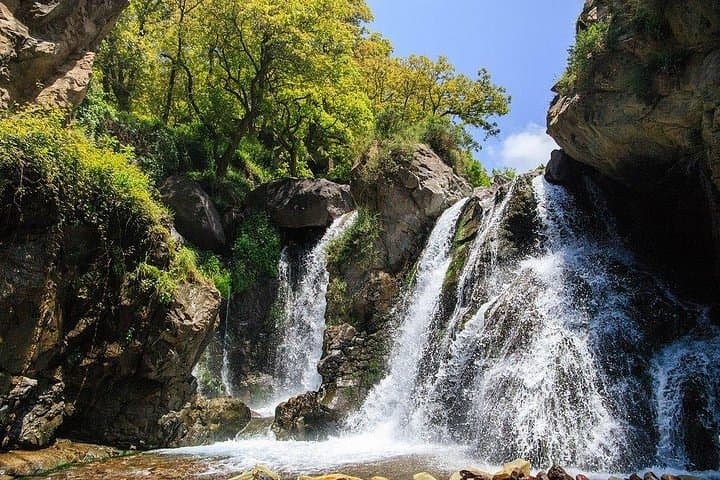
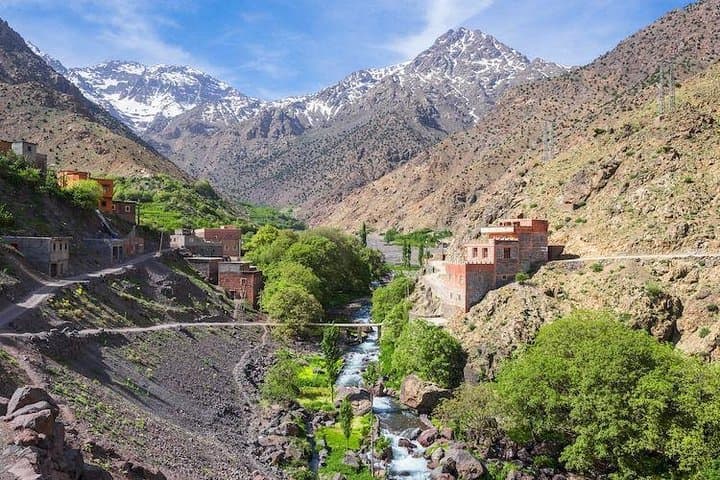
You leave Marrakech’s ochre walls behind and the road climbs, the city noise shrinking beneath the steady rumble of the minibus. Soon the air tastes different—cooler, dust touched with pine—and the High Atlas rises in slate-blue folds. Stops at Moulay Brahim’s narrow gorge and the old stone houses of Azrou set the scene: a working mountain landscape where terraces, walnut fields, and jagged ridgelines dictate daily life.
Verified experiences and guided adventures in the surrounding area.
Operated by Things To Do From Marrakech · Marrakech, Marrakech-Safi
You leave Marrakech’s ochre walls behind and the road climbs, the city noise shrinking beneath the steady rumble of the minibus. Soon the air tastes different—cooler, dust touched with pine—and the High Atlas rises in slate-blue folds. Stops at Moulay Brahim’s narrow gorge and the old stone houses of Azrou set the scene: a working mountain landscape where terraces, walnut fields, and jagged ridgelines dictate daily life.
The Atlas Mountains are geologically young, folded by tectonic collision into steep valleys and deep gorges that funnel winter snowmelt into spring irrigation. The people here are predominantly Berber; villages like Imlil reflect a mix of agricultural rhythms and hospitality. Tea is served as a social contract—mint, sugar, goodwill—and a family meal typically centers on tagine or couscous prepared over wood heat.
This full-day excursion blends short, undulating walks on dirt tracks and stone stairs with long photo stops and a home-cooked lunch on an open rooftop. Expect gentle elevation changes rather than technical ascents: it’s cultural immersion more than alpine climbing. Guides are local and experienced; they navigate mule tracks, explain terrace irrigation, and introduce village life.
Practical notes: start early to avoid midday heat in summer, bring layered clothing for variable mountain sun and wind, and carry cash to tip or buy small crafts. Footwear with good grip is useful for uneven village paths, and a light daypack with water and sunscreen keeps the day comfortable. The route invites conversation as much as exploration—listen, respect local norms, and the mountains will repay you with clear views and an unhurried sense of place.
moderate.
6–7 hours.
Suitable for travelers in average physical condition able to walk on uneven, sometimes steep village paths for several hours.
The day includes gentle, non-technical hikes between villages with short climbs and uneven ground; it’s moderate rather than technical and suitable for most active travelers.
Yes—lunch in a local Berber home typically includes salad or soup, a tagine or couscous, dessert, and tea or soft drinks.
Yes—bring Moroccan dirham for tips, souvenirs, and any extra purchases since remote villages may not accept cards.
Children are welcome but should be supervised on narrow village paths; service animals are allowed but confirm with the operator ahead of time.
Berber communities have farmed Atlas terraces for centuries; villages served as trade and pasture hubs between plains and high pastures.
Water is scarce in the region—avoid single-use plastic and follow your guide to minimize trail erosion; supporting local family meals helps sustain village incomes.
Things To Do From Marrakech operates guided outdoor trips and adventures with an emphasis on safety, stewardship, and memorable experiences.
You leave Marrakech’s ochre walls behind and the road climbs, the city noise shrinking beneath the steady rumble of the minibus. Soon the air tastes different—cooler, dust touched with pine—and the High Atlas rises in slate-blue folds. Stops at Moulay Brahim’s narrow gorge and the old stone houses of Azrou set the scene: a working mountain landscape where terraces, walnut fields, and jagged ridgelines dictate daily life.
You leave Marrakech’s ochre walls behind and the road climbs, the city noise shrinking beneath the steady rumble of the minibus. Soon the air tastes different—cooler, dust touched with pine—and the High Atlas rises in slate-blue folds. Stops at Moulay Brahim’s narrow gorge and the old stone houses of Azrou set the scene: a working mountain landscape where terraces, walnut fields, and jagged ridgelines dictate daily life.
The Atlas Mountains are geologically young, folded by tectonic collision into steep valleys and deep gorges that funnel winter snowmelt into spring irrigation. The people here are predominantly Berber; villages like Imlil reflect a mix of agricultural rhythms and hospitality. Tea is served as a social contract—mint, sugar, goodwill—and a family meal typically centers on tagine or couscous prepared over wood heat.
This full-day excursion blends short, undulating walks on dirt tracks and stone stairs with long photo stops and a home-cooked lunch on an open rooftop. Expect gentle elevation changes rather than technical ascents: it’s cultural immersion more than alpine climbing. Guides are local and experienced; they navigate mule tracks, explain terrace irrigation, and introduce village life.
Practical notes: start early to avoid midday heat in summer, bring layered clothing for variable mountain sun and wind, and carry cash to tip or buy small crafts. Footwear with good grip is useful for uneven village paths, and a light daypack with water and sunscreen keeps the day comfortable. The route invites conversation as much as exploration—listen, respect local norms, and the mountains will repay you with clear views and an unhurried sense of place.