THE ADVENTURE COLLECTIVE® · Independent discovery and booking for outdoor travel

Spend a full day escaping Marrakech to the High Atlas: argan oil workshops, mountain villages, a guided hike to Imlil’s waterfalls, a traditional Berber lunch and optional short horseback rides. This accessible day trip mixes culture, geology and hands-on local encounters.
Spend a full day escaping Marrakech to the High Atlas: argan oil workshops, mountain villages, a guided hike to Imlil’s waterfalls, a traditional Berber lunch and optional short horseback rides. This accessible day trip mixes culture, geology and hands-on local encounters.
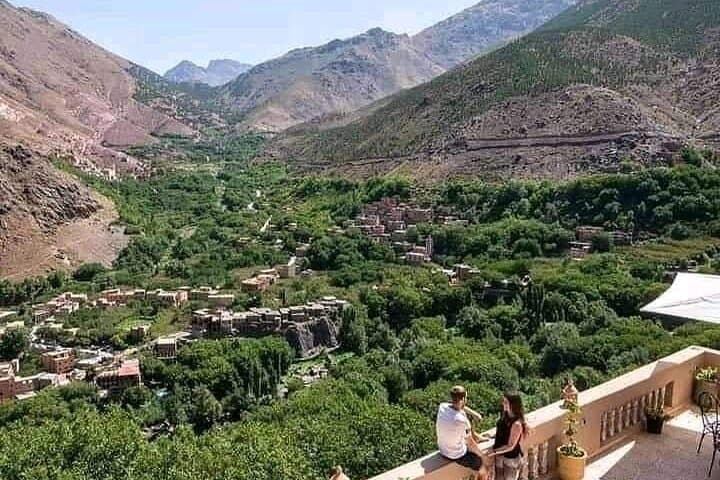
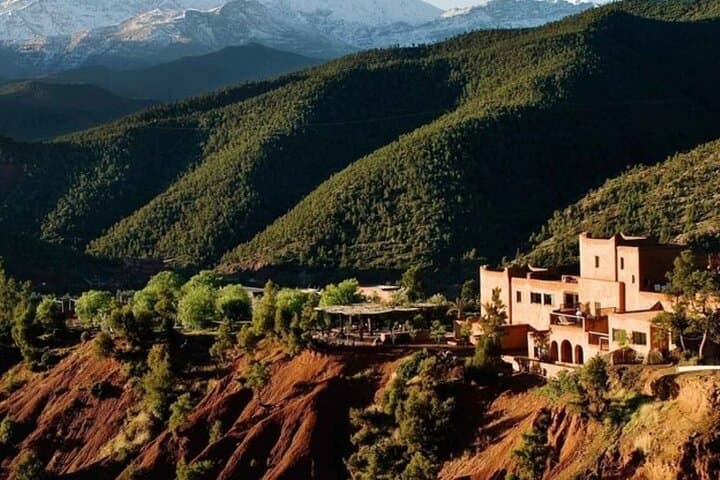
You leave Marrakech before dawn and the city’s heat peels away as the road climbs toward the High Atlas. Dry scrub gives way to terraced slopes and walnut groves; wind-sculpted peaks push the sky, while villagers tend stone houses that have stood for generations. A short photo stop at Tahnaout and a window into argan oil production frame the human landscape before the bus threads higher toward Asni and the river-cut valleys around Imlil.
Verified experiences and guided adventures in the surrounding area.
Operated by Morocco Marrakech tours · Imlil, Marrakech-Safi
You leave Marrakech before dawn and the city’s heat peels away as the road climbs toward the High Atlas. Dry scrub gives way to terraced slopes and walnut groves; wind-sculpted peaks push the sky, while villagers tend stone houses that have stood for generations. A short photo stop at Tahnaout and a window into argan oil production frame the human landscape before the bus threads higher toward Asni and the river-cut valleys around Imlil.
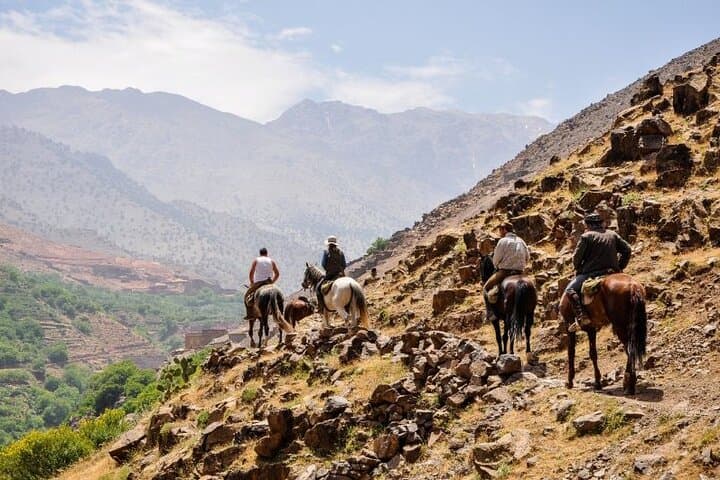
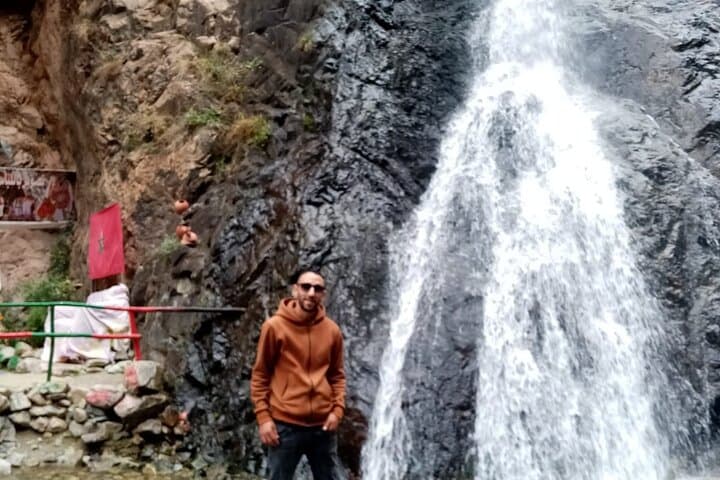
The terrain here is young geology — jagged schist and limestone folded by the Atlas orogeny — and culture is older: Amazigh (Berber) families who farm terraces, herd goats and trade in weekly souks. Moulay Brahim sits clasped to a cliff, a reminder of the region’s spiritual routes. Imlil functions as the gateway to Toubkal National Park, where local guides lead a 1–1.5 hour walk along carved mule tracks to a series of waterfalls and quiet village hamlets. Short horseback or mule rides are often available for those who prefer mounted travel between hamlets.
Practical guidance: expect uneven stone paths, short steep sections and variable weather — layer up, bring at least 1–1.5 L of water, and carry cash for market purchases and tea stops. Comfortable hiking shoes with good grip and a daypack are essential. Plan extra time for photos, market browsing in Asni (Saturdays busiest), and a homemade Berber lunch with a local family. The return to Marrakech arrives in the late afternoon with mountain air lingering on your jacket.
moderate.
7–8 hours.
Suitable for someone who can handle 1–2 hours of walking on uneven terrain and short elevation changes; basic stamina required.
The guided walk in Imlil is typically 1 to 1.5 hours round-trip, over well-worn mule tracks with some short steep sections.
Yes—routes are classified as easy to moderate and the tour is described as physically easy; children and less-mobile travelers can use horses or stay near village areas, but check with the operator for specifics.
Yes—there’s a 20-minute stop in Asni (especially lively on Saturdays) and opportunities to buy argan oil and handicrafts during village visits.
A traditional homemade Berber lunch with a local family or restaurant is included in the itinerary; bring small cash for extras like tea or souvenirs.
The High Atlas is home to Amazigh (Berber) communities with centuries-old agricultural terraces and village architecture; Imlil has long been a gateway for mountain guides and pilgrims.
This alpine environment is fragile—stay on trails, minimize plastic use and support local cooperatives to keep economic benefits in the community.
Morocco Marrakech tours operates guided outdoor trips and adventures with an emphasis on safety, stewardship, and memorable experiences.
You leave Marrakech before dawn and the city’s heat peels away as the road climbs toward the High Atlas. Dry scrub gives way to terraced slopes and walnut groves; wind-sculpted peaks push the sky, while villagers tend stone houses that have stood for generations. A short photo stop at Tahnaout and a window into argan oil production frame the human landscape before the bus threads higher toward Asni and the river-cut valleys around Imlil.
You leave Marrakech before dawn and the city’s heat peels away as the road climbs toward the High Atlas. Dry scrub gives way to terraced slopes and walnut groves; wind-sculpted peaks push the sky, while villagers tend stone houses that have stood for generations. A short photo stop at Tahnaout and a window into argan oil production frame the human landscape before the bus threads higher toward Asni and the river-cut valleys around Imlil.
The terrain here is young geology — jagged schist and limestone folded by the Atlas orogeny — and culture is older: Amazigh (Berber) families who farm terraces, herd goats and trade in weekly souks. Moulay Brahim sits clasped to a cliff, a reminder of the region’s spiritual routes. Imlil functions as the gateway to Toubkal National Park, where local guides lead a 1–1.5 hour walk along carved mule tracks to a series of waterfalls and quiet village hamlets. Short horseback or mule rides are often available for those who prefer mounted travel between hamlets.
Practical guidance: expect uneven stone paths, short steep sections and variable weather — layer up, bring at least 1–1.5 L of water, and carry cash for market purchases and tea stops. Comfortable hiking shoes with good grip and a daypack are essential. Plan extra time for photos, market browsing in Asni (Saturdays busiest), and a homemade Berber lunch with a local family. The return to Marrakech arrives in the late afternoon with mountain air lingering on your jacket.