THE ADVENTURE COLLECTIVE® · Independent discovery and booking for outdoor travel

Trade Marrakech’s medina bustle for a full-day escape into the High Atlas—walk mule tracks to a waterfall, meet Berber villagers over mint tea, and enjoy a tagine lunch. Practical for all fitness levels with guided transport and clear views of Imlil valley.
Trade Marrakech’s medina bustle for a full-day escape into the High Atlas—walk mule tracks to a waterfall, meet Berber villagers over mint tea, and enjoy a tagine lunch. Practical for all fitness levels with guided transport and clear views of Imlil valley.
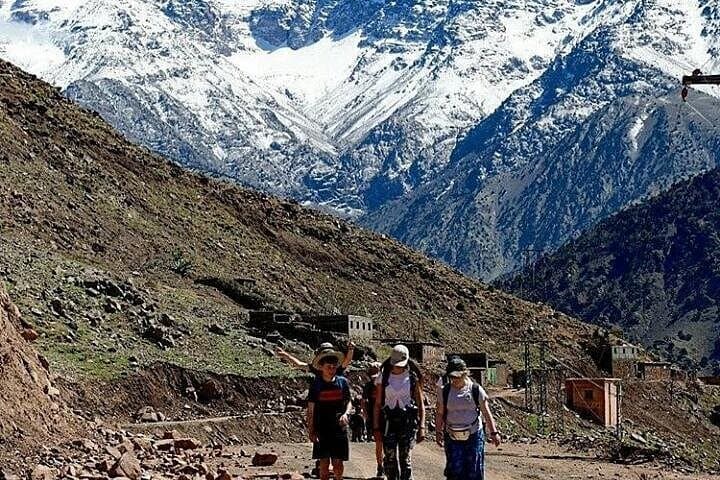
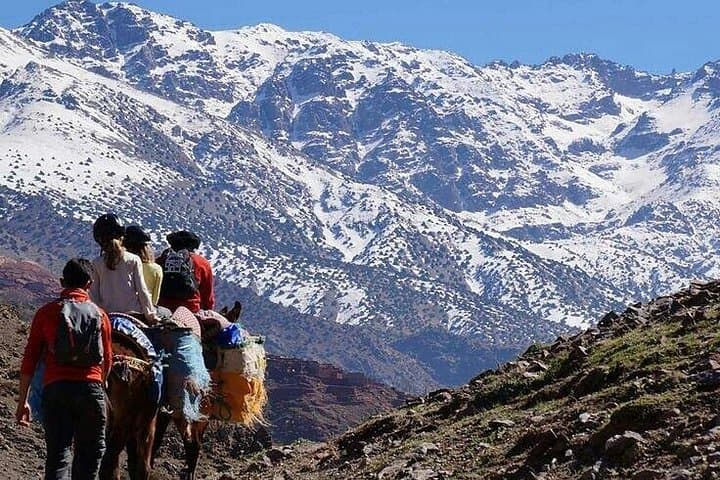
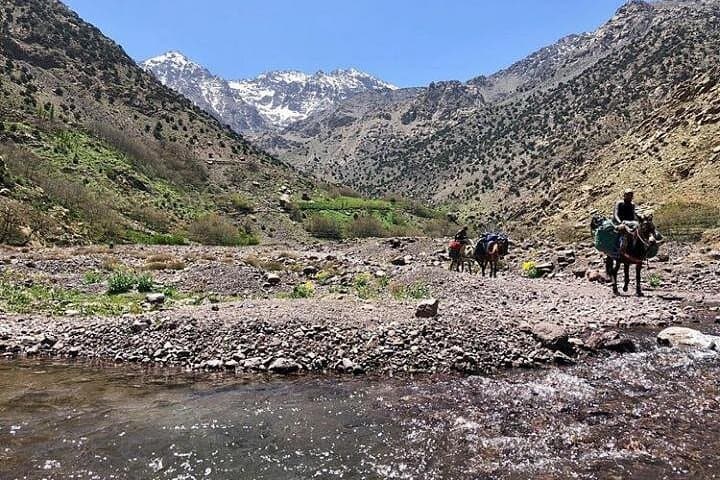
You leave Marrakech behind as the city heat thins and the road rises toward serrated ridgelines. The Atlas pushes itself into view—granite slopes catching morning light, dry terraces stepping down into pockets of green. In Imlil, mule tracks thread past stone houses and apple trees; the guide pours mint tea and the valley seems to lean in, listening.
Verified experiences and guided adventures in the surrounding area.
Operated by Berber Paths · Imlil, Marrakech-Safi
You leave Marrakech behind as the city heat thins and the road rises toward serrated ridgelines. The Atlas pushes itself into view—granite slopes catching morning light, dry terraces stepping down into pockets of green. In Imlil, mule tracks thread past stone houses and apple trees; the guide pours mint tea and the valley seems to lean in, listening.
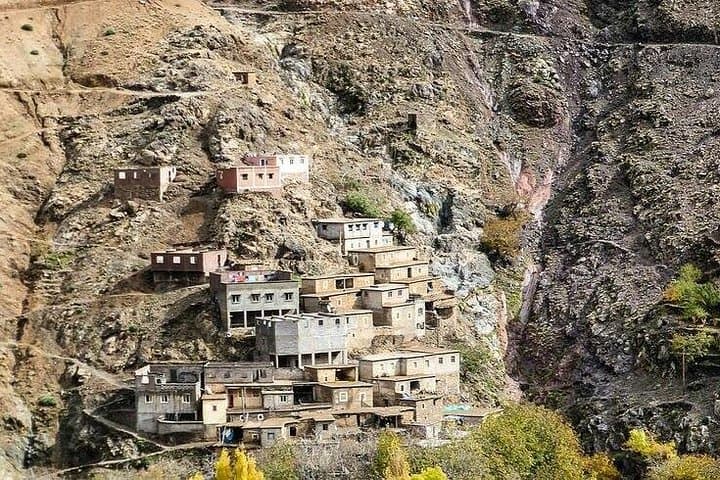
The High Atlas is geologically young: folded and uplifted by tectonic collision, its peaks and valleys are carved from volcanic and metamorphic rock. Berber villages here have long adapted to steep terrain—flat-roofed houses, terraced fields, and spring-fed irrigation channels that still mark seasonal life. Culturally, the valley retains strong Amazigh traditions; you’ll meet locals who speak Tamazight and Arabic and share stories over tea and a tagine lunch.
Expect 2–3 hours of mostly gentle walking on mule tracks and dirt paths with short steeper pitches near waterfalls; trails can be rocky and uneven. The Amadan Waterfall offers a cool, misty pause; the nearby scenic lake and viewpoints give sweeping valley panoramas. Wildlife is subtle—watch for ibex on distant ledges and resident birds in the oak and juniper.
Practical guidance: start early to avoid midday heat, bring layered clothing for rapidly changing mountain weather, and wear sturdy shoes with good traction. The tour includes transport (minivan or 4×4), bottled water, and lunch; pickup and drop-off in Marrakech are standard. Mobile reception can be intermittent—download directions and keep cash for small purchases. This is a day of easy walking, cultural exchange, and clear mountain light—efficient, scenic, and rooted in local life.
easy.
8–9 hours.
Suitable for most fitness levels; expect 2–3 hours of walking on uneven terrain with short inclines.
Travel time to Imlil is roughly 60–90 minutes each way depending on traffic and route.
Yes—walks are typically gentle and adaptable; the guide will tailor pace and route to the group’s abilities.
Standard inclusions are round-trip transport, bottled water, a local guide, and a tagine lunch; confirm if entry fees or gratuities are separate.
Yes—guides usually adapt walks based on fitness and interests, though major route changes may be limited by timing.
The High Atlas has been a crossroads for Amazigh (Berber) communities for centuries; villages here reflect traditional stone architecture and terrace farming adapted to steep slopes.
Visitors should stick to established trails and avoid leaving litter; water is locally managed in small irrigation systems, so conserve and ask before refilling.
Berber Paths operates guided outdoor trips and adventures with an emphasis on safety, stewardship, and memorable experiences.
You leave Marrakech behind as the city heat thins and the road rises toward serrated ridgelines. The Atlas pushes itself into view—granite slopes catching morning light, dry terraces stepping down into pockets of green. In Imlil, mule tracks thread past stone houses and apple trees; the guide pours mint tea and the valley seems to lean in, listening.
You leave Marrakech behind as the city heat thins and the road rises toward serrated ridgelines. The Atlas pushes itself into view—granite slopes catching morning light, dry terraces stepping down into pockets of green. In Imlil, mule tracks thread past stone houses and apple trees; the guide pours mint tea and the valley seems to lean in, listening.
The High Atlas is geologically young: folded and uplifted by tectonic collision, its peaks and valleys are carved from volcanic and metamorphic rock. Berber villages here have long adapted to steep terrain—flat-roofed houses, terraced fields, and spring-fed irrigation channels that still mark seasonal life. Culturally, the valley retains strong Amazigh traditions; you’ll meet locals who speak Tamazight and Arabic and share stories over tea and a tagine lunch.
Expect 2–3 hours of mostly gentle walking on mule tracks and dirt paths with short steeper pitches near waterfalls; trails can be rocky and uneven. The Amadan Waterfall offers a cool, misty pause; the nearby scenic lake and viewpoints give sweeping valley panoramas. Wildlife is subtle—watch for ibex on distant ledges and resident birds in the oak and juniper.
Practical guidance: start early to avoid midday heat, bring layered clothing for rapidly changing mountain weather, and wear sturdy shoes with good traction. The tour includes transport (minivan or 4×4), bottled water, and lunch; pickup and drop-off in Marrakech are standard. Mobile reception can be intermittent—download directions and keep cash for small purchases. This is a day of easy walking, cultural exchange, and clear mountain light—efficient, scenic, and rooted in local life.