THE ADVENTURE COLLECTIVE® · Independent discovery and booking for outdoor travel

Spend a full day exchanging Marrakech’s medina bustle for cedar-scented Atlas slopes and cascading waterfalls in the Ourika Valley. This guided, private tour mixes scenic hikes, Berber hospitality, and local culture—ideal for active day-trippers.
Spend a full day exchanging Marrakech’s medina bustle for cedar-scented Atlas slopes and cascading waterfalls in the Ourika Valley. This guided, private tour mixes scenic hikes, Berber hospitality, and local culture—ideal for active day-trippers.
You leave Marrakech before the heat builds, windows down and Atlas peaks rising like a slow-moving wall ahead. The road climbs through cedar-scented foothills, and by the time you step onto the trail above Setti Fadma the valley’s river is already daring you to follow it upstream toward a series of plunging waterfalls.
Verified experiences and guided adventures in the surrounding area.
Operated by Marrakech Go · Marrakech, Marrakesh-Safi
You leave Marrakech before the heat builds, windows down and Atlas peaks rising like a slow-moving wall ahead. The road climbs through cedar-scented foothills, and by the time you step onto the trail above Setti Fadma the valley’s river is already daring you to follow it upstream toward a series of plunging waterfalls.
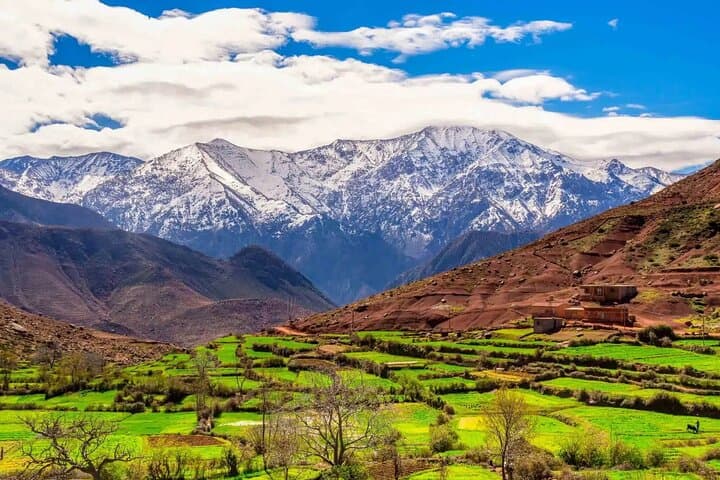
This one-day loop threads human history and geology together: High Atlas rock—ancient schist and limestone—has been carved into steep terraces and gullies where Berber (Amazigh) communities have farmed for centuries. Along the way you’ll pass small argan cooperatives run by local women and walk through villages where clay houses and flat roofs reflect millennia of mountain life. Guides explain seasonal shepherding, local irrigation (khettaras), and how Toubkal’s silhouette dominates the horizon.
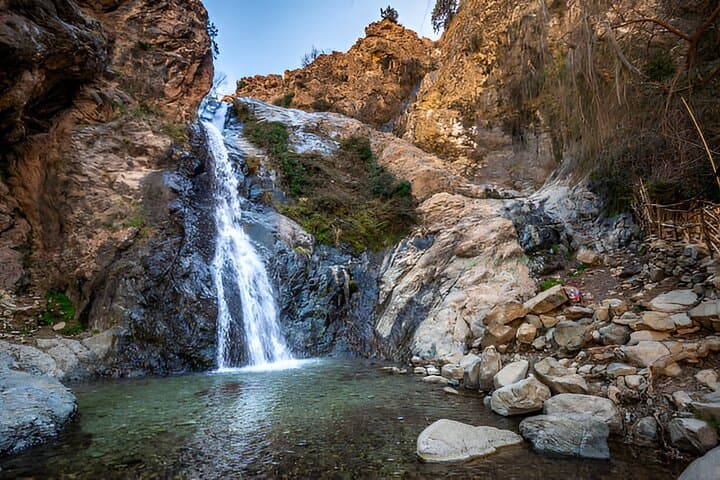
The hike to the falls is moderate—rocky steps, occasional stream crossings and viewpoints that reward short, steady climbs. Expect cool spray near cascades, bright tea served in a Sidi Fares home, and panoramic views toward Toubkal (4,167 m) on clear days. Cultural stops include a market on Mondays and brief introductions to argan production.
Practical guidance: wear grippy shoes for wet rocks, bring a daypack with water and sunscreen, and pace the ascent to match mixed terrain. The trip runs about 8–9 hours with hotel pickup and private transport included; a local guide handles route choice and village etiquette. Aim for spring or autumn for best temperatures; summer brings heat and winter can show high-elevation chill. This is a day of landscape contrasts—river, rock, and folded human life—run at a comfortable, grounded pace.
moderate.
8–9 hours.
Suitable for travelers with moderate fitness who can handle sustained walking on uneven terrain and short ascents.
The guided hike to the main Setti Fadma waterfalls is typically 45–60 minutes each way depending on pace and stops.
Yes, if participants have moderate mobility; the trail has uneven sections but guides can tailor the pace and distance.
Yes—private transport, hotel pickup/drop-off, and a homemade Berber lunch in Sidi Fares are included.
Wear sturdy shoes, layered clothing (mountain mornings can be cool), and bring sun protection and a light rain shell if traveling outside summer.
The High Atlas has been inhabited by Amazigh (Berber) communities for centuries; villages along the route retain traditional architecture and agricultural terraces adapted to steep slopes.
Stay on established paths, avoid disturbing watercourses and farming plots, and support local cooperatives to keep tourism benefits within communities.
Marrakech Go operates guided outdoor trips and adventures with an emphasis on safety, stewardship, and memorable experiences.
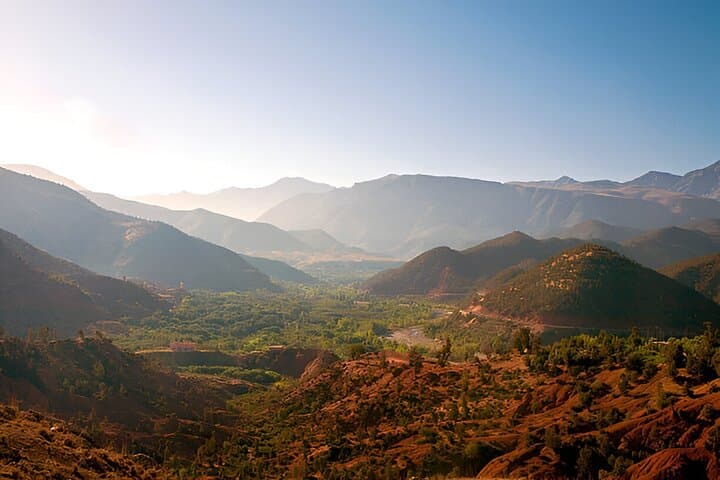
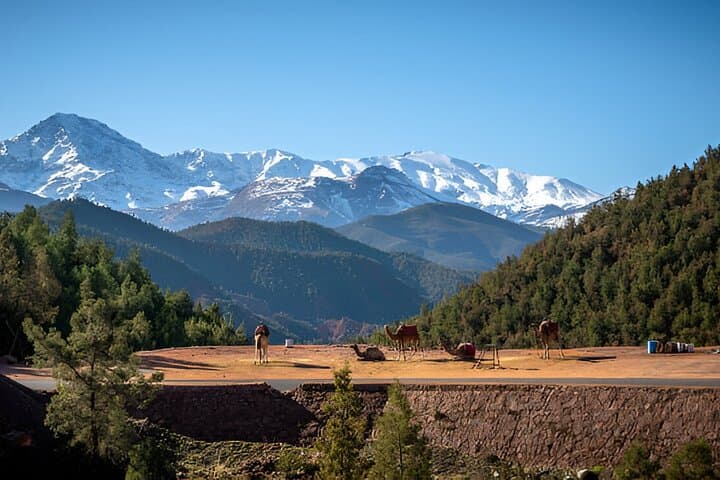
You leave Marrakech before the heat builds, windows down and Atlas peaks rising like a slow-moving wall ahead. The road climbs through cedar-scented foothills, and by the time you step onto the trail above Setti Fadma the valley’s river is already daring you to follow it upstream toward a series of plunging waterfalls.
You leave Marrakech before the heat builds, windows down and Atlas peaks rising like a slow-moving wall ahead. The road climbs through cedar-scented foothills, and by the time you step onto the trail above Setti Fadma the valley’s river is already daring you to follow it upstream toward a series of plunging waterfalls.
This one-day loop threads human history and geology together: High Atlas rock—ancient schist and limestone—has been carved into steep terraces and gullies where Berber (Amazigh) communities have farmed for centuries. Along the way you’ll pass small argan cooperatives run by local women and walk through villages where clay houses and flat roofs reflect millennia of mountain life. Guides explain seasonal shepherding, local irrigation (khettaras), and how Toubkal’s silhouette dominates the horizon.
The hike to the falls is moderate—rocky steps, occasional stream crossings and viewpoints that reward short, steady climbs. Expect cool spray near cascades, bright tea served in a Sidi Fares home, and panoramic views toward Toubkal (4,167 m) on clear days. Cultural stops include a market on Mondays and brief introductions to argan production.
Practical guidance: wear grippy shoes for wet rocks, bring a daypack with water and sunscreen, and pace the ascent to match mixed terrain. The trip runs about 8–9 hours with hotel pickup and private transport included; a local guide handles route choice and village etiquette. Aim for spring or autumn for best temperatures; summer brings heat and winter can show high-elevation chill. This is a day of landscape contrasts—river, rock, and folded human life—run at a comfortable, grounded pace.