THE ADVENTURE COLLECTIVE® · Independent discovery and booking for outdoor travel

A full-day escape from Marrakech into the High Atlas—market visits, a short camel ride, village walks to Imlil, and lunch with a Berber family beneath views of Toubkal. Practical, scenic, and culturally rich.
A full-day escape from Marrakech into the High Atlas—market visits, a short camel ride, village walks to Imlil, and lunch with a Berber family beneath views of Toubkal. Practical, scenic, and culturally rich.
You leave the bustle of Marrakech at first light and the road climbs toward the High Atlas, the city shrinking behind you as olive groves and terraced fields take over the view.
Verified experiences and guided adventures in the surrounding area.
Operated by Berber Paths · Imlil, Marrakesh-Safi
You leave the bustle of Marrakech at first light and the road climbs toward the High Atlas, the city shrinking behind you as olive groves and terraced fields take over the view.
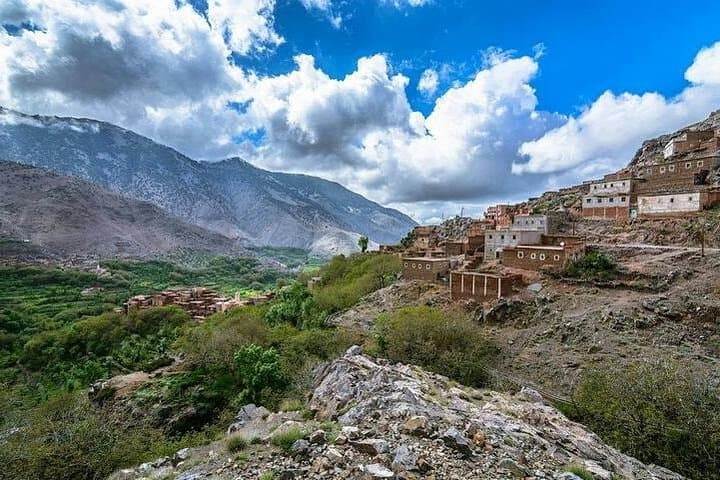
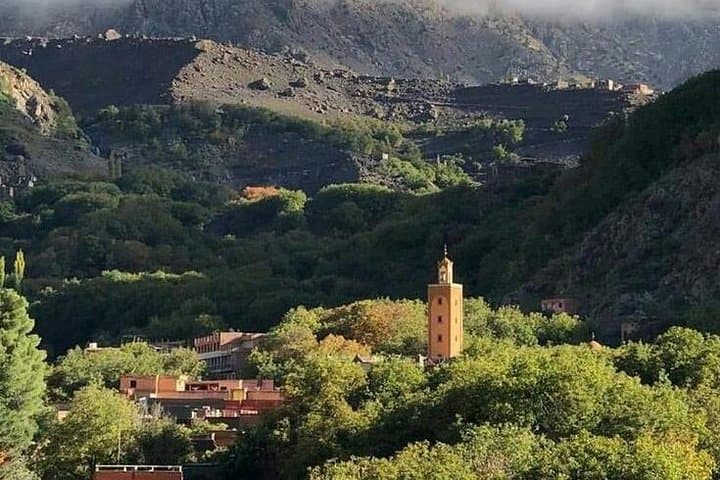
The drive to Imlil (about 1–1.5 hours) opens onto a patchwork of walnut and cherry orchards; Toubkal’s jagged crown (4,167 m) watches over the valley. The itinerary threads through weekly markets—Tahnaouet or Asni depending on the day—then a short camel ride offers a low-slung look at rural life before you arrive at Imlil (1,740 m) for mint tea.
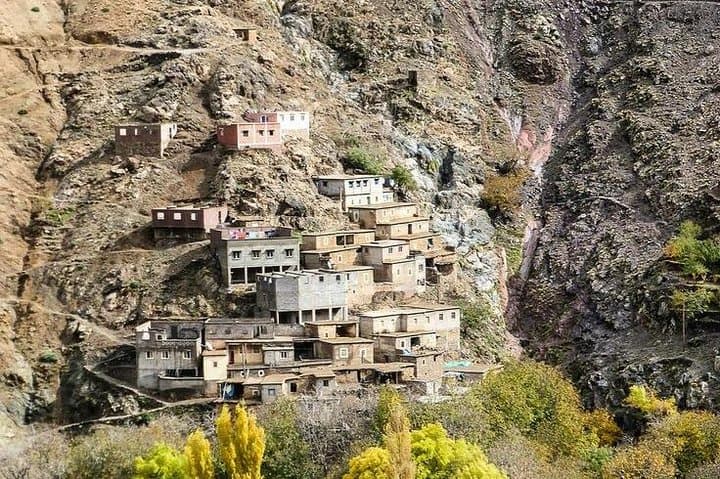
History and culture are immediate: these are working Berber villages shaped by centuries of mountain agriculture and seasonal market rhythms. Geologically, the High Atlas is young, folded limestone and volcanic outcrops carved by winter snowmelt into steep gorges and waterfalls; expect rocky footpaths and several short, steep pitches as you climb toward Armed (about 1,950–1,950 m / ~6,400 ft).
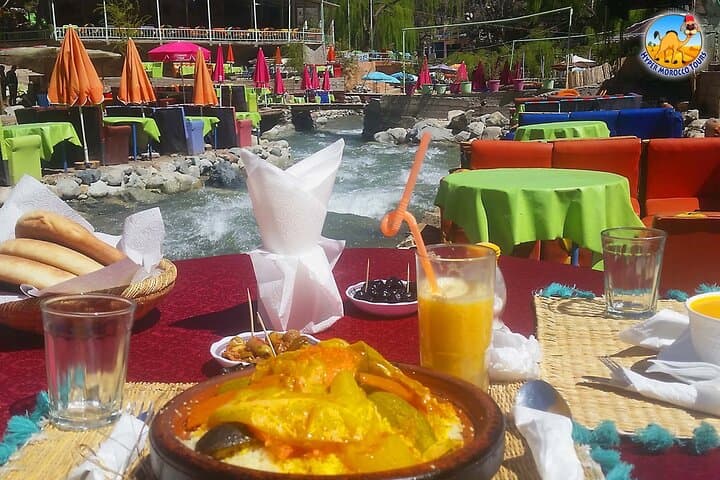
You’ll meet local families, pass orchards, and may stop for a home-cooked tajine with views of snow-capped ridgelines. Guides explain irrigation canals (seguias), crop rotations and mule logistics; mule rides are available for steeper sections.
Practical notes: plan for 1–2 hours of walking (longer if you choose), sturdy footwear, layered clothing for diurnal temperature swings, sun protection and 1–2 liters of water. Respect local dress norms, carry small change for markets and family lunches, and allow extra time for unpaved roads. The route balances a cultural window into mountain life with straightforward highland hiking—energetic, scenic and easily done as a full-day excursion from Marrakech.
moderate.
7 hours.
Moderate fitness: able to handle 1–2 hours of uphill walking at altitude and steady uneven terrain.
The transfer typically takes about 1 to 1.5 hours each way depending on traffic and road conditions.
Yes—short hikes of 1–2 hours on well-used village paths are common, but there are some steep sections; choose a mule if you prefer less walking.
Mule rides are often available as an option; mules are used locally and the providers generally have experienced handlers, but riding requires balance and willingness to follow handlers’ instructions.
Most operators can adapt meals with advance notice—inform your booking of allergies or preferences so the family can prepare accordingly.
The villages are part of the Amazigh (Berber) cultural region where mountain agriculture and transhumance shaped settlement patterns for centuries; irrigation and terracing remain central to local life.
Visitors should stick to established paths, avoid disturbing irrigation channels, and minimize plastic waste—supporting local meals and guides helps keep tourism benefits in the community.
Berber Paths operates guided outdoor trips and adventures with an emphasis on safety, stewardship, and memorable experiences.
You leave the bustle of Marrakech at first light and the road climbs toward the High Atlas, the city shrinking behind you as olive groves and terraced fields take over the view.
You leave the bustle of Marrakech at first light and the road climbs toward the High Atlas, the city shrinking behind you as olive groves and terraced fields take over the view.
The drive to Imlil (about 1–1.5 hours) opens onto a patchwork of walnut and cherry orchards; Toubkal’s jagged crown (4,167 m) watches over the valley. The itinerary threads through weekly markets—Tahnaouet or Asni depending on the day—then a short camel ride offers a low-slung look at rural life before you arrive at Imlil (1,740 m) for mint tea.
History and culture are immediate: these are working Berber villages shaped by centuries of mountain agriculture and seasonal market rhythms. Geologically, the High Atlas is young, folded limestone and volcanic outcrops carved by winter snowmelt into steep gorges and waterfalls; expect rocky footpaths and several short, steep pitches as you climb toward Armed (about 1,950–1,950 m / ~6,400 ft).
You’ll meet local families, pass orchards, and may stop for a home-cooked tajine with views of snow-capped ridgelines. Guides explain irrigation canals (seguias), crop rotations and mule logistics; mule rides are available for steeper sections.
Practical notes: plan for 1–2 hours of walking (longer if you choose), sturdy footwear, layered clothing for diurnal temperature swings, sun protection and 1–2 liters of water. Respect local dress norms, carry small change for markets and family lunches, and allow extra time for unpaved roads. The route balances a cultural window into mountain life with straightforward highland hiking—energetic, scenic and easily done as a full-day excursion from Marrakech.