THE ADVENTURE COLLECTIVE® · Independent discovery and booking for outdoor travel

A full-day circuit from Marrakech that pairs High Atlas mountain paths and Berber village visits with a striking camel ride across the stony Agafay Plain. Expect walking on uneven paths, cultural exchanges, and dramatic mountain-to-desert scenery.
A full-day circuit from Marrakech that pairs High Atlas mountain paths and Berber village visits with a striking camel ride across the stony Agafay Plain. Expect walking on uneven paths, cultural exchanges, and dramatic mountain-to-desert scenery.
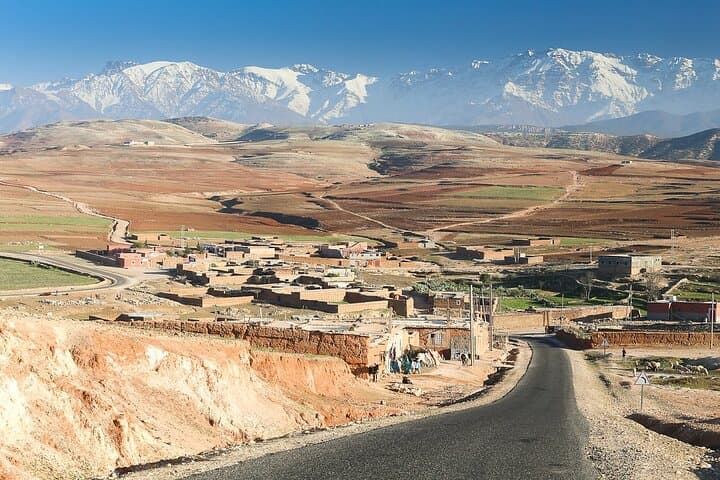
You step out of Marrakech’s ochre heat into a different tempo: the road climbs, olive groves slip by like pages, and the High Atlas pulls into view — raw ridgelines that push wind into the valley and dare you to look closer.
Verified experiences and guided adventures in the surrounding area.
Operated by Imlil Trips · Marrakech, Marrakech-Safi
You step out of Marrakech’s ochre heat into a different tempo: the road climbs, olive groves slip by like pages, and the High Atlas pulls into view — raw ridgelines that push wind into the valley and dare you to look closer.
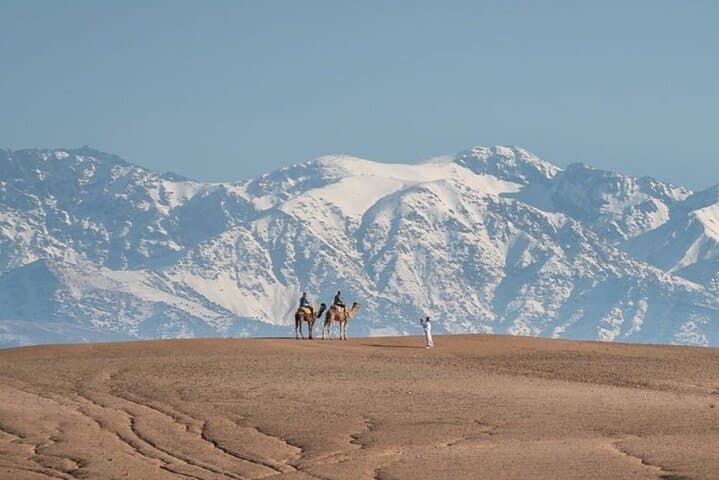
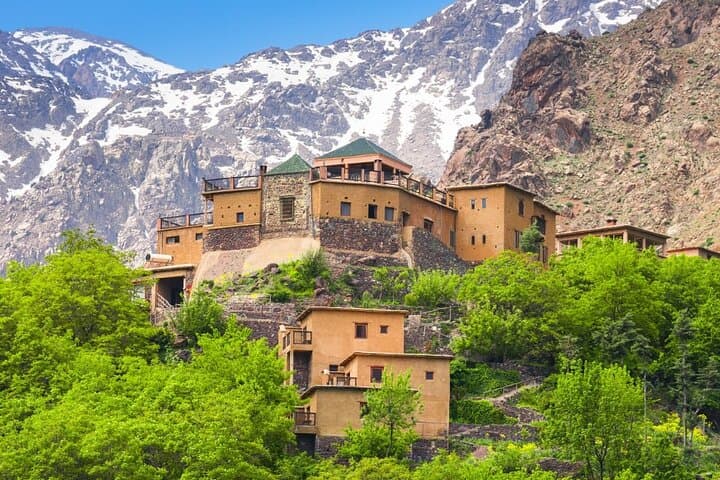
The day moves between cultivated terraces and stone hamlets. Imlil sits at the head of a glacial valley where Berber (Amazigh) communities have farmed these slopes for centuries, building compact earth-and-stone houses that read the seasons plainly. Geology here is visible: folded metamorphic rock and scree from long-ago uplift, while the Agafay “stone desert” to the southwest is a stony plain carved by erosion rather than sand — an otherworldly contrast to the green Asni Valley.
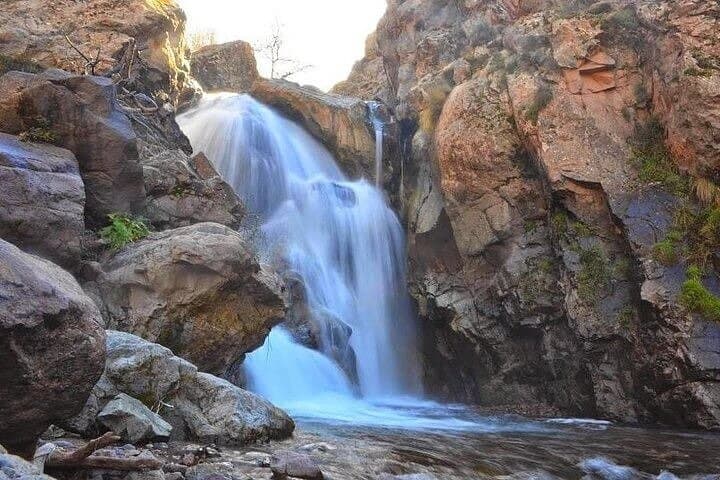
Cultural moments are direct: stop at Azrou to photograph the oldest Berber village, walk with locals along mule tracks, and accept a steaming cup of mint tea in a simple home. A short waterfall near Imlil adds a cool counterpoint before lunch of tagine and flatbread. The afternoon drifts to Agafay where low, warm stones and the slow gait of camels give a desert close enough to touch but still shaped by the Atlas climate.
Practical guidance: expect a full 7-hour loop with light walking on uneven village paths and a brief camel ride on packed stone plains. Wear sturdy shoes, sun protection and layers — mountain mornings are cool, valley afternoons warm. Bring cash for small market purchases and respect local customs when visiting homes. Start early from Marrakech for best light and quieter villages.
moderate.
7 hours.
Basic to moderate fitness; able to walk on uneven ground for 30–60 minutes at a stretch and tolerate a full day of travel.
The tour is approximately 7 hours, generally departing Marrakech at 09:00 and returning around 17:00 depending on traffic and stops.
Walking is moderate—village paths and a short waterfall approach involve uneven terrain; no technical hiking required but sturdy shoes help.
Breakfast, a traditional lunch, bottled water and tea with a Berber family are included; bring cash for extras or market purchases.
Most operators offer pickup from central Marrakech hotels and riads; confirm your pickup point when booking.
The High Atlas region has long been home to Amazigh (Berber) communities who adapted dry-farming and terraced agriculture to steep slopes and seasonal streams.
Tourism supports local incomes but also strains water resources and footpaths; stick to trails, avoid single-use plastics, and buy local crafts to benefit villages.
Imlil Trips operates guided outdoor trips and adventures with an emphasis on safety, stewardship, and memorable experiences.
You step out of Marrakech’s ochre heat into a different tempo: the road climbs, olive groves slip by like pages, and the High Atlas pulls into view — raw ridgelines that push wind into the valley and dare you to look closer.
You step out of Marrakech’s ochre heat into a different tempo: the road climbs, olive groves slip by like pages, and the High Atlas pulls into view — raw ridgelines that push wind into the valley and dare you to look closer.
The day moves between cultivated terraces and stone hamlets. Imlil sits at the head of a glacial valley where Berber (Amazigh) communities have farmed these slopes for centuries, building compact earth-and-stone houses that read the seasons plainly. Geology here is visible: folded metamorphic rock and scree from long-ago uplift, while the Agafay “stone desert” to the southwest is a stony plain carved by erosion rather than sand — an otherworldly contrast to the green Asni Valley.
Cultural moments are direct: stop at Azrou to photograph the oldest Berber village, walk with locals along mule tracks, and accept a steaming cup of mint tea in a simple home. A short waterfall near Imlil adds a cool counterpoint before lunch of tagine and flatbread. The afternoon drifts to Agafay where low, warm stones and the slow gait of camels give a desert close enough to touch but still shaped by the Atlas climate.
Practical guidance: expect a full 7-hour loop with light walking on uneven village paths and a brief camel ride on packed stone plains. Wear sturdy shoes, sun protection and layers — mountain mornings are cool, valley afternoons warm. Bring cash for small market purchases and respect local customs when visiting homes. Start early from Marrakech for best light and quieter villages.