THE ADVENTURE COLLECTIVE® · Independent discovery and booking for outdoor travel

A single-day loop from Marrakech that pairs village hikes in the High Atlas with a stony-capped desert experience in Agafay. Expect Berber hospitality, a camel ride, and a traditional lunch at a desert camp.
A single-day loop from Marrakech that pairs village hikes in the High Atlas with a stony-capped desert experience in Agafay. Expect Berber hospitality, a camel ride, and a traditional lunch at a desert camp.
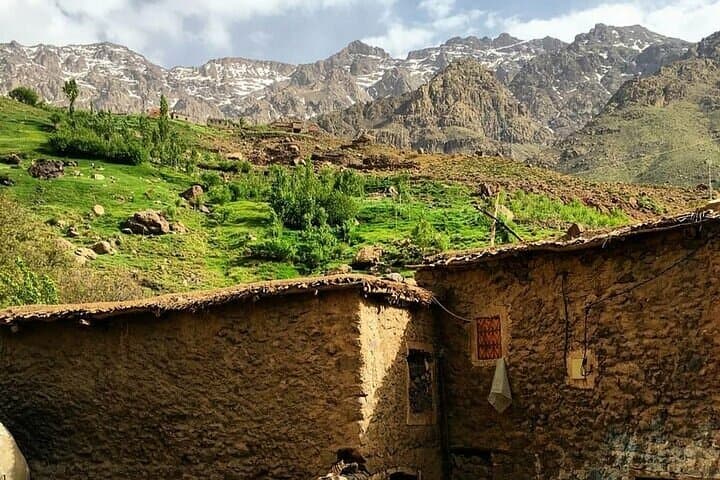
You leave Marrakech as the city yawns into morning light, the medina shrinking behind you while the road climbs toward the High Atlas. Villages appear like stone punctuation marks on the slopes, terraces and almond trees framing the route. By midmorning you’re in Imlil: mountain air that feels like a reset and paths that tease higher summits.
Verified experiences and guided adventures in the surrounding area.
Operated by Tours Excursions Journeys · Marrakech, Marrakech-Safi
You leave Marrakech as the city yawns into morning light, the medina shrinking behind you while the road climbs toward the High Atlas. Villages appear like stone punctuation marks on the slopes, terraces and almond trees framing the route. By midmorning you’re in Imlil: mountain air that feels like a reset and paths that tease higher summits.
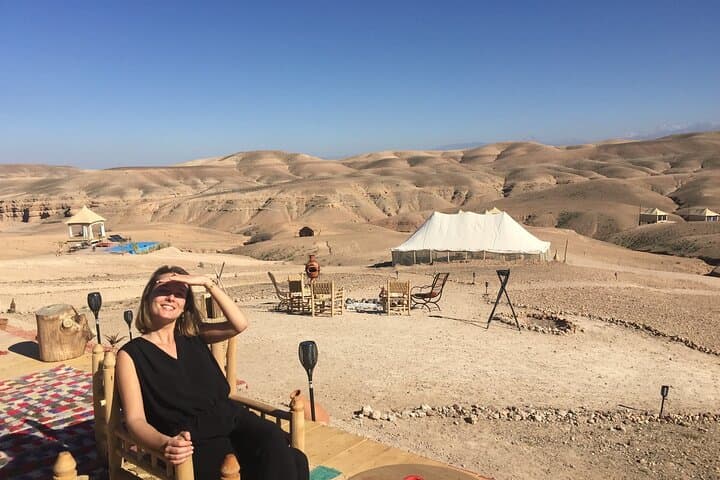
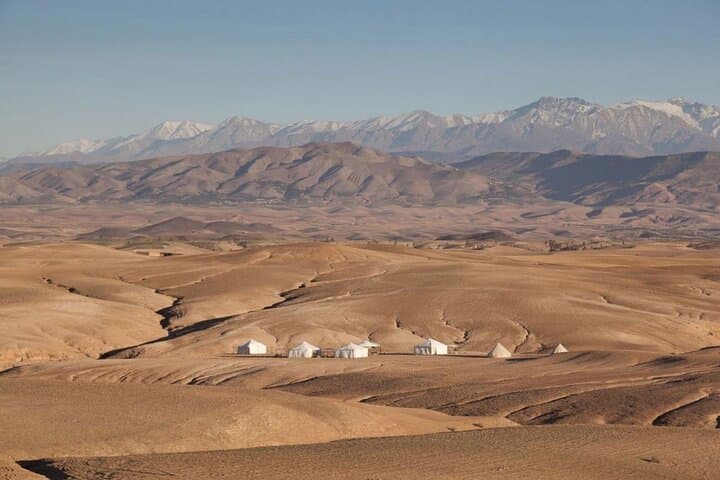
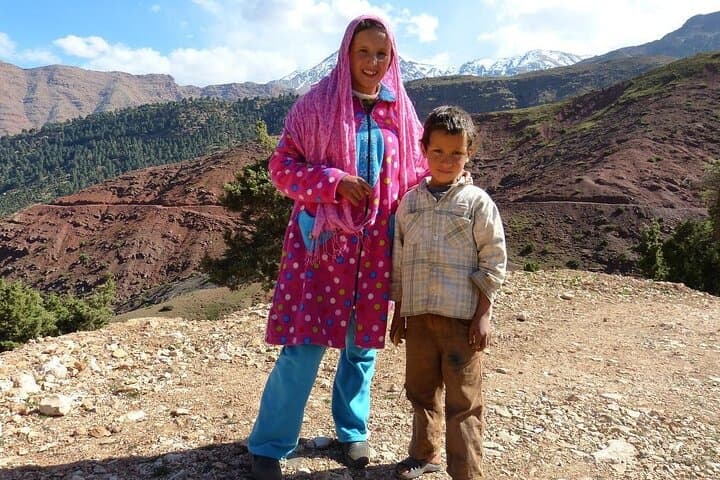
The Atlas range owes its bulk to the slow collision of African and Eurasian plates; granite ridgelines and folded valleys carry millennia of weathering. In Imlil, Berber hospitality is direct—tea poured without hurry, stories exchanged over bread. Later the landscape shifts: the Agafay “desert” is not dune sea but a pale, stony reg with broad, wind-sculpted horizons that make space feel large.
A short camel ride across the Agafay’s low hummocks gives a playful counterpoint to the morning’s mountain hike; both environments show Moroccan contrast in sharp relief. Lunch at a desert camp highlights tagine, flatbread and the slow rhythm of rural cooking.
Practical guidance: plan for a full seven-hour day with varied terrain—paved village roads, rocky tracks and compact desert stone. Bring layered clothing for temperature swings, a sun hat and at least 1–1.5 liters of water per person, plus cash for local tips. Footwear with good grip is important for the short hikes around Imlil and uneven ground in Agafay. Travel light for camel saddles and keep electronics secure from dust.
This itinerary balances culture, geology and easy adventure—ideal for travelers wanting a single-day immersion in Morocco’s two contrasting landscapes.
moderate.
7 hours.
Suitable for people who can handle a few hours of walking on uneven terrain and short climbs; no technical fitness required.
Yes—round-trip transportation from Marrakech is included as part of the full-day tour.
Camel rides on these excursions are typically short, around 20–40 minutes, designed for scenic photo stops rather than long treks.
The tour is advertised as suitable for all fitness levels; families and older travelers can participate, though infants should sit on laps and camel saddles may be challenging for very young children.
Bring some Moroccan dirham for tips, small purchases and souvenirs—card payment options are limited outside Marrakech.
Berber communities have inhabited the High Atlas for centuries; their villages grew along seasonal watercourses and trade routes connecting valleys to coastal markets.
Visitors should minimize water use, avoid leaving litter in fragile desert soils, and support local guides and homestays to ensure economic benefits remain in the community.
Tours Excursions Journeys operates guided outdoor trips and adventures with an emphasis on safety, stewardship, and memorable experiences.
You leave Marrakech as the city yawns into morning light, the medina shrinking behind you while the road climbs toward the High Atlas. Villages appear like stone punctuation marks on the slopes, terraces and almond trees framing the route. By midmorning you’re in Imlil: mountain air that feels like a reset and paths that tease higher summits.
You leave Marrakech as the city yawns into morning light, the medina shrinking behind you while the road climbs toward the High Atlas. Villages appear like stone punctuation marks on the slopes, terraces and almond trees framing the route. By midmorning you’re in Imlil: mountain air that feels like a reset and paths that tease higher summits.
The Atlas range owes its bulk to the slow collision of African and Eurasian plates; granite ridgelines and folded valleys carry millennia of weathering. In Imlil, Berber hospitality is direct—tea poured without hurry, stories exchanged over bread. Later the landscape shifts: the Agafay “desert” is not dune sea but a pale, stony reg with broad, wind-sculpted horizons that make space feel large.
A short camel ride across the Agafay’s low hummocks gives a playful counterpoint to the morning’s mountain hike; both environments show Moroccan contrast in sharp relief. Lunch at a desert camp highlights tagine, flatbread and the slow rhythm of rural cooking.
Practical guidance: plan for a full seven-hour day with varied terrain—paved village roads, rocky tracks and compact desert stone. Bring layered clothing for temperature swings, a sun hat and at least 1–1.5 liters of water per person, plus cash for local tips. Footwear with good grip is important for the short hikes around Imlil and uneven ground in Agafay. Travel light for camel saddles and keep electronics secure from dust.
This itinerary balances culture, geology and easy adventure—ideal for travelers wanting a single-day immersion in Morocco’s two contrasting landscapes.