THE ADVENTURE COLLECTIVE® · Independent discovery and booking for outdoor travel

Leave Marrakech for a full-day loop through the Imlil Valley and the rocky Agafay plateau—lunch with a Berber family, an easy waterfall hike, and a sunset camel ride with mint tea. This one-day trip blends mountain scenery, local culture, and accessible outdoor time.
Leave Marrakech for a full-day loop through the Imlil Valley and the rocky Agafay plateau—lunch with a Berber family, an easy waterfall hike, and a sunset camel ride with mint tea. This one-day trip blends mountain scenery, local culture, and accessible outdoor time.
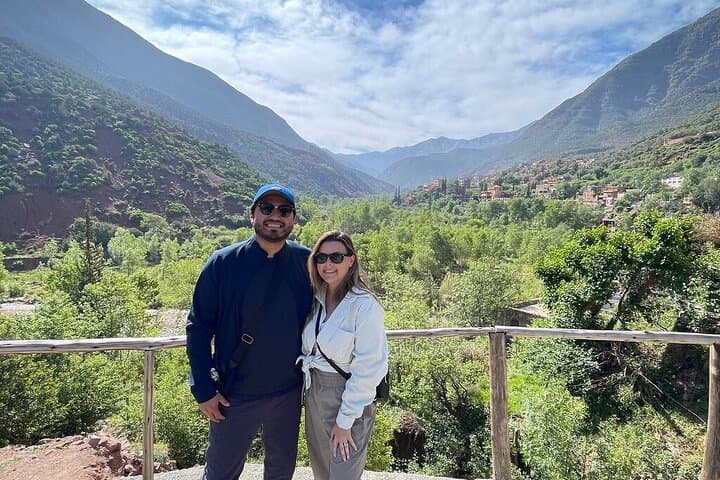
Dust from Marrakech falls away as the minibus threads palm groves and low stone villages toward the High Atlas. By midmorning the road opens to terraced fields and then the Imlil Valley, where the air cools and the peaks—often rimmed with snow—stand like slow-moving weather.
Verified experiences and guided adventures in the surrounding area.
Operated by Atlas Mountains Day Trip · Marrakech, Marrakesh-Safi
Dust from Marrakech falls away as the minibus threads palm groves and low stone villages toward the High Atlas. By midmorning the road opens to terraced fields and then the Imlil Valley, where the air cools and the peaks—often rimmed with snow—stand like slow-moving weather.
The route crosses varied terrain: the reservoir at Lalla Takerkoust, a picnic panorama; the village of Imlil, perched at ≈1,740 m and long used as a shepherding and mule route; and later the stony expanse of the Agafay plateau, where the ground is more rock than sand and the light sharpens into copper at sunset.
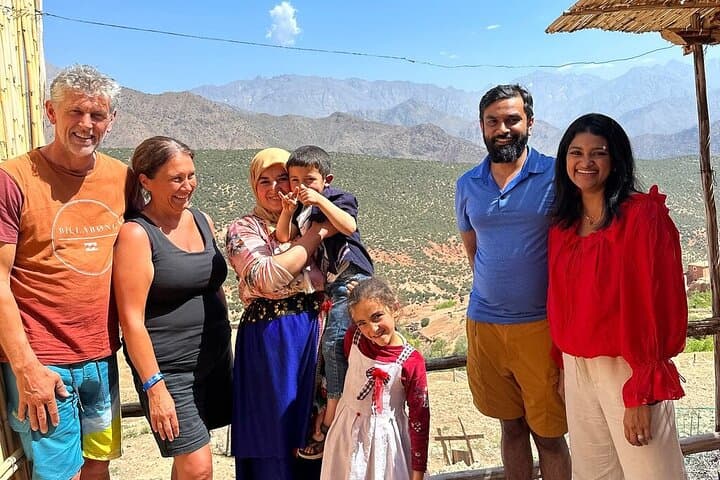
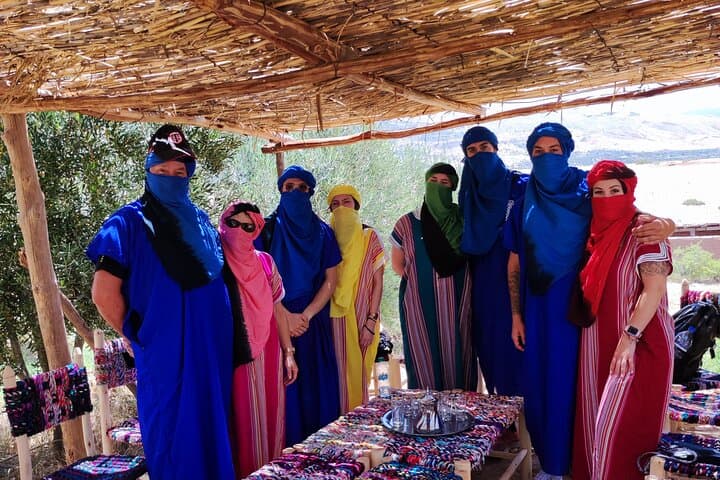
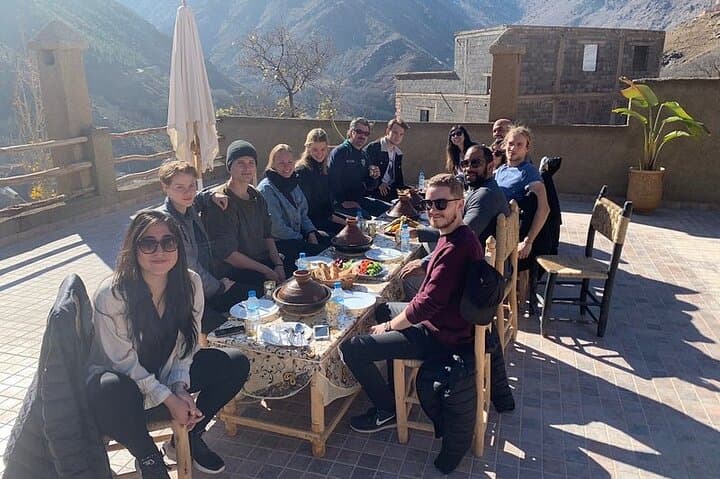
Geology keeps the story simple—folded schist and granite rising to Morocco’s highest peak, Toubkal (4,167 m), carved by Pleistocene glaciers and summer streams. Culture threads through the day: a family lunch in a Berber home, mint tea served ceremonially, and a chance to learn about mountain life that’s changed little in a century.
Practical guidance: plan for an 8–9 hour day with about 1–1.5 hours driving each way to Imlil and a shorter run to Agafay. Expect a short, easy hike to a waterfall (≈30–60 minutes, light elevation gain) and a camel saddle across stony desert for sunset. Bring layered clothing for cool mornings and cold plateaus, sunscreen, at least 1–2 liters of water, sturdy shoes, and a camera with extra battery. Pickup and drop-off from Marrakech are typically included, and the itinerary suits most fitness levels; do check accessibility needs in advance.
moderate.
8–9 hours.
Suitable for travelers in good general health; short, easy hikes with some standing and walking on uneven ground.
Expect an 8–9 hour excursion including pickup and drop-off; driving to Imlil can take around 1–1.5 hours depending on traffic.
Yes—camel rides on the Agafay plateau are short and guided; operators help with mounting and dismounting.
Lunch in a local home is included per the itinerary; it typically features salads, tagine, couscous and seasonal fruit.
Infants can join but must sit on laps; the operator advises that pregnant travelers and people with serious back or heart conditions consult beforehand.
The High Atlas has long been a corridor for Berber communities and trans-Saharan trade; villages like Imlil grew around seasonal farming and mule tracks to the summits.
Water is scarce on the plateau and waste management is limited; travel with reusable bottles, pack out trash, and support local guides and homestays for sustainable economic benefits.
Atlas Mountains Day Trip operates guided outdoor trips and adventures with an emphasis on safety, stewardship, and memorable experiences.
Dust from Marrakech falls away as the minibus threads palm groves and low stone villages toward the High Atlas. By midmorning the road opens to terraced fields and then the Imlil Valley, where the air cools and the peaks—often rimmed with snow—stand like slow-moving weather.
Dust from Marrakech falls away as the minibus threads palm groves and low stone villages toward the High Atlas. By midmorning the road opens to terraced fields and then the Imlil Valley, where the air cools and the peaks—often rimmed with snow—stand like slow-moving weather.
The route crosses varied terrain: the reservoir at Lalla Takerkoust, a picnic panorama; the village of Imlil, perched at ≈1,740 m and long used as a shepherding and mule route; and later the stony expanse of the Agafay plateau, where the ground is more rock than sand and the light sharpens into copper at sunset.
Geology keeps the story simple—folded schist and granite rising to Morocco’s highest peak, Toubkal (4,167 m), carved by Pleistocene glaciers and summer streams. Culture threads through the day: a family lunch in a Berber home, mint tea served ceremonially, and a chance to learn about mountain life that’s changed little in a century.
Practical guidance: plan for an 8–9 hour day with about 1–1.5 hours driving each way to Imlil and a shorter run to Agafay. Expect a short, easy hike to a waterfall (≈30–60 minutes, light elevation gain) and a camel saddle across stony desert for sunset. Bring layered clothing for cool mornings and cold plateaus, sunscreen, at least 1–2 liters of water, sturdy shoes, and a camera with extra battery. Pickup and drop-off from Marrakech are typically included, and the itinerary suits most fitness levels; do check accessibility needs in advance.