THE ADVENTURE COLLECTIVE® · Independent discovery and booking for outdoor travel

A single-day, all-inclusive loop from Marrakech across the rocky Agafay Desert, the shimmering Takerkoust Lake and the High Atlas valleys around Imlil. Expect mule or camel rides, a home-cooked lunch, Berber village visits and photo-ready mountain views.
A single-day, all-inclusive loop from Marrakech across the rocky Agafay Desert, the shimmering Takerkoust Lake and the High Atlas valleys around Imlil. Expect mule or camel rides, a home-cooked lunch, Berber village visits and photo-ready mountain views.
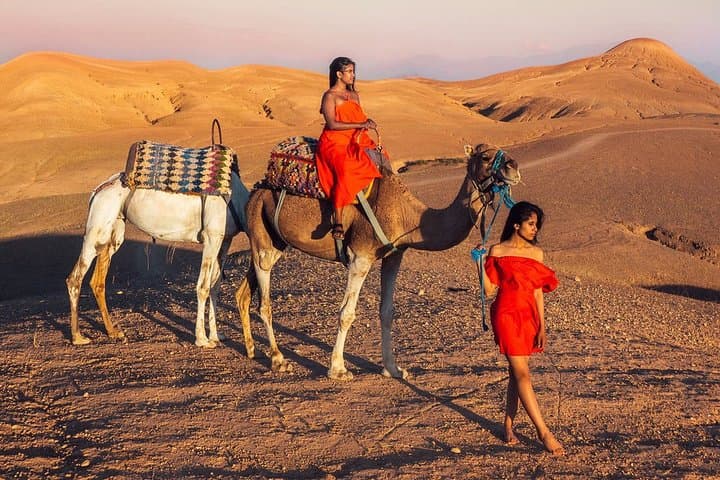
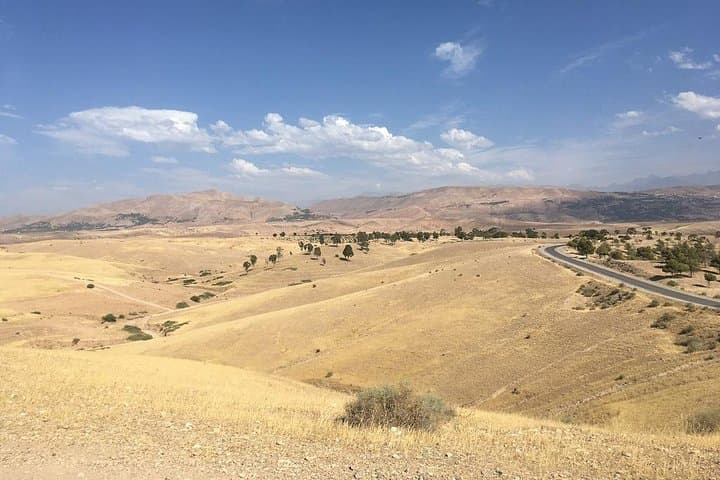
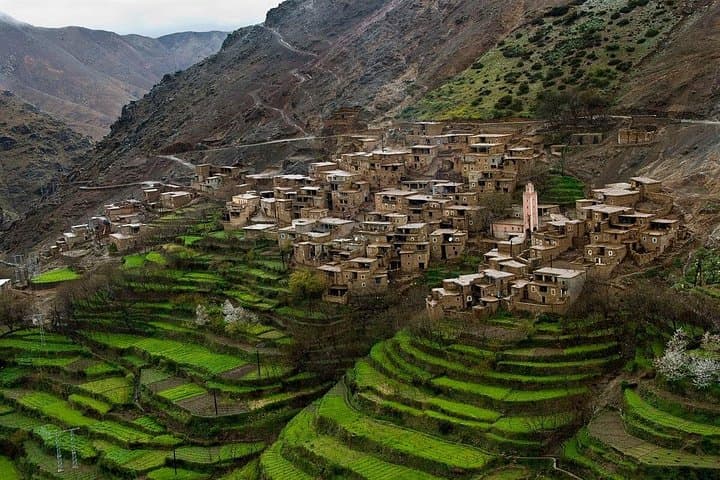
You leave Marrakech behind and the city noise thins to a low hum as the road climbs toward the High Atlas. The Agafay’s stony plains spread like a raw, sun-warmed stage, daring you to cross it; across the valley Lalla Takerkoust flickers, a cool ribbon against ochre earth. By midday the High Atlas rises, its ridgelines throwing cool shade into mule-lined tracks and terraced fields where children point out spring lambs.
Verified experiences and guided adventures in the surrounding area.
Operated by Exploring Atlas Mountains · Marrakech, Marrakech-Safi
You leave Marrakech behind and the city noise thins to a low hum as the road climbs toward the High Atlas. The Agafay’s stony plains spread like a raw, sun-warmed stage, daring you to cross it; across the valley Lalla Takerkoust flickers, a cool ribbon against ochre earth. By midday the High Atlas rises, its ridgelines throwing cool shade into mule-lined tracks and terraced fields where children point out spring lambs.
Geology here tells a recent, violent story: the Atlas range rose as African and Eurasian plates collided, producing hard metamorphic and volcanic outcrops and narrow river-cut valleys like Imlil. Culturally, you move through modern Berber life—simple clay houses, market rhythms, and the ritual of mint tea offered to guests. The tour spends time in Moulay Brahim and Aroumd, where camels or mules provide slow, deliberate transport across slopes and salt-and-stone desert.
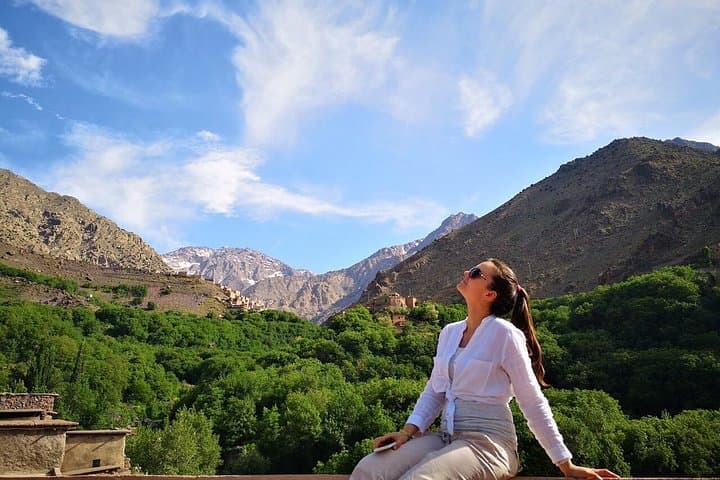
Expect a home-cooked terrace lunch—couscous or tagine—then a walk in Imlil with views toward Jebel Toubkal, North Africa’s highest peak. Photography windows are frequent; guide stops are designed for both comfort and access.
Practical notes: this is a full-day outing (about 6–7 hours) with hotel pickup in an air-conditioned vehicle. Wear sturdy, broken-in shoes, bring layered clothing for temperature swings, sun protection, water, and some small bills for tea or market purchases. The route is suitable for most fitness levels but not recommended for those with serious back or cardiovascular conditions. Pace yourself, respect local customs, and leave no trace—this landscape is resilient but finite.
easy.
6–7 hours.
Suitable for average fitness: able to walk short, uneven distances and manage a few short climbs.
Yes—most bookings include pickup and drop-off from central Marrakech hotels; confirm your pickup point when booking.
Yes; a short camel ride in Moulay Brahim valley (and options for mules on steeper tracks) is included in the itinerary.
The trip is family-friendly and described as physical-easy, but it’s not recommended for travelers with serious back, heart, or pregnancy-related restrictions; infant seats are available.
The operator may cancel for bad weather with a full refund if conditions are unsafe; mountain weather can change quickly, and plans may be adjusted.
The valleys were traditional Berber transit routes and seasonal grazing grounds; villages retain Amazigh language and craft traditions shaped by centuries of mountain life.
Water is scarce in this region—support locally run guesthouses, avoid single-use plastics, and stick to established paths to limit erosion.
Exploring Atlas Mountains operates guided outdoor trips and adventures with an emphasis on safety, stewardship, and memorable experiences.
You leave Marrakech behind and the city noise thins to a low hum as the road climbs toward the High Atlas. The Agafay’s stony plains spread like a raw, sun-warmed stage, daring you to cross it; across the valley Lalla Takerkoust flickers, a cool ribbon against ochre earth. By midday the High Atlas rises, its ridgelines throwing cool shade into mule-lined tracks and terraced fields where children point out spring lambs.
You leave Marrakech behind and the city noise thins to a low hum as the road climbs toward the High Atlas. The Agafay’s stony plains spread like a raw, sun-warmed stage, daring you to cross it; across the valley Lalla Takerkoust flickers, a cool ribbon against ochre earth. By midday the High Atlas rises, its ridgelines throwing cool shade into mule-lined tracks and terraced fields where children point out spring lambs.
Geology here tells a recent, violent story: the Atlas range rose as African and Eurasian plates collided, producing hard metamorphic and volcanic outcrops and narrow river-cut valleys like Imlil. Culturally, you move through modern Berber life—simple clay houses, market rhythms, and the ritual of mint tea offered to guests. The tour spends time in Moulay Brahim and Aroumd, where camels or mules provide slow, deliberate transport across slopes and salt-and-stone desert.
Expect a home-cooked terrace lunch—couscous or tagine—then a walk in Imlil with views toward Jebel Toubkal, North Africa’s highest peak. Photography windows are frequent; guide stops are designed for both comfort and access.
Practical notes: this is a full-day outing (about 6–7 hours) with hotel pickup in an air-conditioned vehicle. Wear sturdy, broken-in shoes, bring layered clothing for temperature swings, sun protection, water, and some small bills for tea or market purchases. The route is suitable for most fitness levels but not recommended for those with serious back or cardiovascular conditions. Pace yourself, respect local customs, and leave no trace—this landscape is resilient but finite.