THE ADVENTURE COLLECTIVE® · Independent discovery and booking for outdoor travel

Leave Marrakech for a full day of mountain air, Berber hospitality and Agafay’s rocky desert. Hike to waterfalls, share a homemade tagine in a village, then swap adrenaline on a quad for the slow sway of a camel at sunset.
Leave Marrakech for a full day of mountain air, Berber hospitality and Agafay’s rocky desert. Hike to waterfalls, share a homemade tagine in a village, then swap adrenaline on a quad for the slow sway of a camel at sunset.
Drive out of Marrakech and the city’s color and clamor fall away, replaced by a changing palette: olive-green terraces, stony ridgelines, then the pale, lunar sweep of Agafay. The day begins in the Ourika Valley, where water carves shelves into volcanic rock and local women offer mint tea that tastes like place—bright, slightly bitter, hospitable.
Verified experiences and guided adventures in the surrounding area.
Operated by morocco desert excursion · Marrakech, Marrakech-Safi
Drive out of Marrakech and the city’s color and clamor fall away, replaced by a changing palette: olive-green terraces, stony ridgelines, then the pale, lunar sweep of Agafay. The day begins in the Ourika Valley, where water carves shelves into volcanic rock and local women offer mint tea that tastes like place—bright, slightly bitter, hospitable.
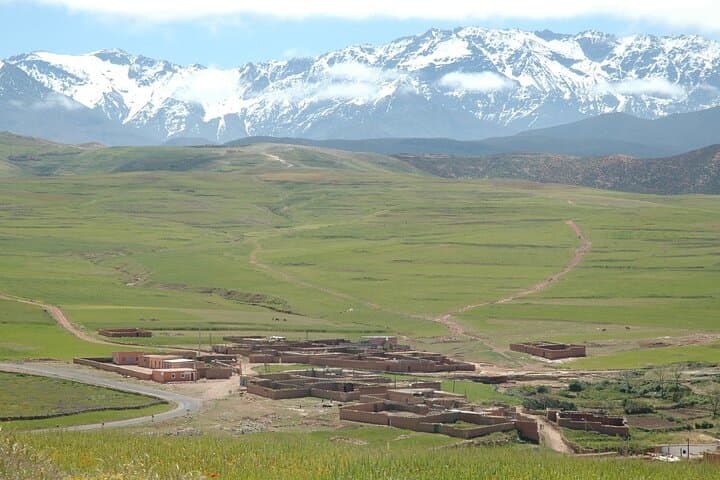
The High Atlas is a young, tectonic chain of folded rock uplifted by Africa and Europe’s slow collision; terraces and villages cling to slopes eroded by seasonal streams. In Setti Fatma, a short trail rises through gardens and almond trees to waterfalls; it’s a compact hike with steady steps and clear mountain air. Lunch in Sidi Fares is less spectacle than ritual: home-cooked tagine, fresh bread and conversations that reveal Berber (Amazigh) rhythms anchored in agriculture and communal life.
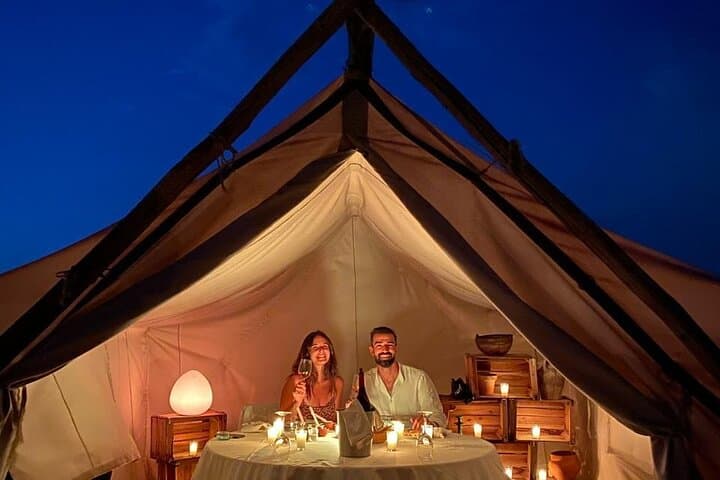
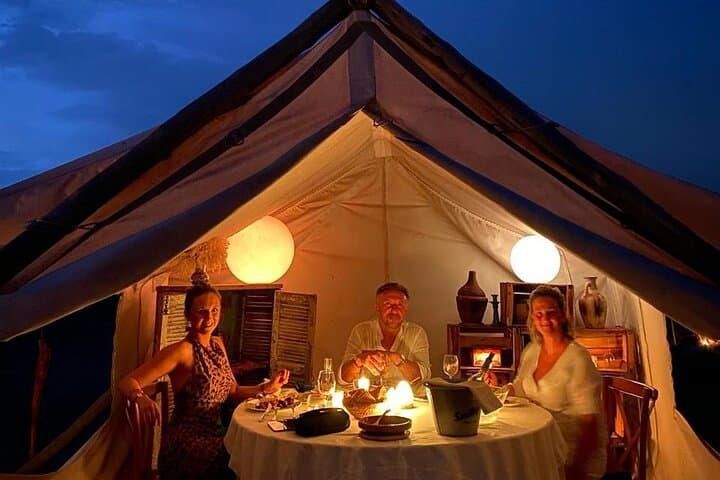
Afternoon brings contrast — the Agafay Desert, a stony expanse shaped by wind and flash floods, with the Atlas mountains as a distant backbone. Quad bikes push across rollicking hummocks, then camel backs slow the world to a rhythm of sway and wide, low light. The evening option of a luxury camp dinner turns desert silence into a refined setting for Moroccan cuisine.
Practical guidance: expect a long day (8–10 hours), moderate walking on uneven ground, and fluctuating temperatures — cool mountain mornings, hot valley afternoons, chilly desert evenings. Bring layered clothing, sun protection, sturdy shoes, and water; hotel pickup and private transport mean logistics are straightforward but pace is full. This trip balances active short hikes, cultural stops, and both adrenaline and calm in one varied day.
moderate.
8–10 hours.
Suitable for travelers in average fitness: able to walk 30–60 minutes over uneven ground and tolerate a full day of driving and activities.
The full-day private excursion runs about 8–10 hours and includes hotel pickup and drop-off in Marrakech as well as private, air-conditioned transport.
Yes — vehicles and camels are managed by guides; basic instruction precedes the quad ride and camel handlers control the animals for a gentle experience.
The family lunch uses local ingredients; operators can usually accommodate common dietary needs if notified in advance during booking.
The activity is family-friendly for children, but it is not recommended for pregnant travelers or those with serious heart conditions due to long drives and active elements.
The High Atlas region is home to Amazigh (Berber) communities whose irrigation terraces and village architecture reflect centuries of mountain agriculture and trade routes into Marrakech.
Water is scarce in the region; choose operators that limit disposable plastics, follow local trail etiquette, and prioritize community partnerships to reduce tourism’s footprint.
morocco desert excursion operates guided outdoor trips and adventures with an emphasis on safety, stewardship, and memorable experiences.
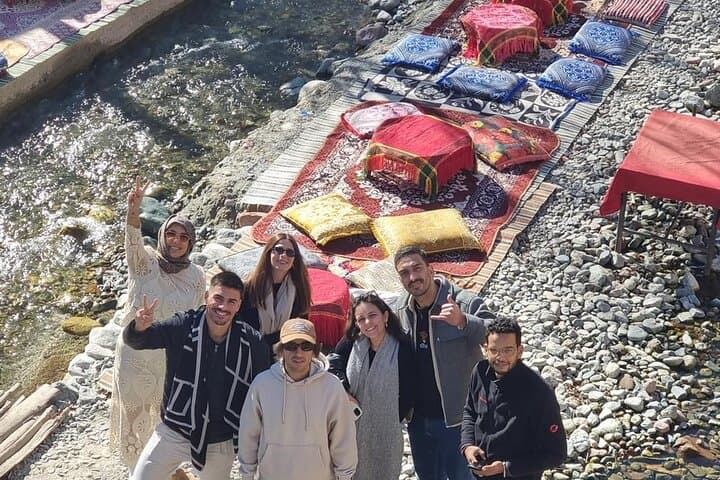
Drive out of Marrakech and the city’s color and clamor fall away, replaced by a changing palette: olive-green terraces, stony ridgelines, then the pale, lunar sweep of Agafay. The day begins in the Ourika Valley, where water carves shelves into volcanic rock and local women offer mint tea that tastes like place—bright, slightly bitter, hospitable.
Drive out of Marrakech and the city’s color and clamor fall away, replaced by a changing palette: olive-green terraces, stony ridgelines, then the pale, lunar sweep of Agafay. The day begins in the Ourika Valley, where water carves shelves into volcanic rock and local women offer mint tea that tastes like place—bright, slightly bitter, hospitable.
The High Atlas is a young, tectonic chain of folded rock uplifted by Africa and Europe’s slow collision; terraces and villages cling to slopes eroded by seasonal streams. In Setti Fatma, a short trail rises through gardens and almond trees to waterfalls; it’s a compact hike with steady steps and clear mountain air. Lunch in Sidi Fares is less spectacle than ritual: home-cooked tagine, fresh bread and conversations that reveal Berber (Amazigh) rhythms anchored in agriculture and communal life.
Afternoon brings contrast — the Agafay Desert, a stony expanse shaped by wind and flash floods, with the Atlas mountains as a distant backbone. Quad bikes push across rollicking hummocks, then camel backs slow the world to a rhythm of sway and wide, low light. The evening option of a luxury camp dinner turns desert silence into a refined setting for Moroccan cuisine.
Practical guidance: expect a long day (8–10 hours), moderate walking on uneven ground, and fluctuating temperatures — cool mountain mornings, hot valley afternoons, chilly desert evenings. Bring layered clothing, sun protection, sturdy shoes, and water; hotel pickup and private transport mean logistics are straightforward but pace is full. This trip balances active short hikes, cultural stops, and both adrenaline and calm in one varied day.