THE ADVENTURE COLLECTIVE® · Independent discovery and booking for outdoor travel

Leave Marrakech behind for a day of rocky plateaus, river valleys and a family-style lunch in a Berber house. This 6–8 hour 4x4 loop mixes light village walks, market stops and wide mountain views for an accessible Atlas experience.
Leave Marrakech behind for a day of rocky plateaus, river valleys and a family-style lunch in a Berber house. This 6–8 hour 4x4 loop mixes light village walks, market stops and wide mountain views for an accessible Atlas experience.
The engine rumbles and the ochre city falls away as the road climbs into the High Atlas—olive groves give way to scrub and stone, and the wind shapes the plateaus into ridges that dare you to look farther.
Verified experiences and guided adventures in the surrounding area.
Operated by SAIF Tours · Marrakech, Marrakech-Safi
The engine rumbles and the ochre city falls away as the road climbs into the High Atlas—olive groves give way to scrub and stone, and the wind shapes the plateaus into ridges that dare you to look farther.
This full-day 4x4 loop threads the Asni and Ourika valleys, crosses the Kik plateau and stops at a Berber house for a shared lunch. Geologically, you move from alluvial plains into folded metamorphic rocks of the High Atlas, where rivers have carved terraces and soils are thin—these are working landscapes shaped by centuries of terracing and goat herding.
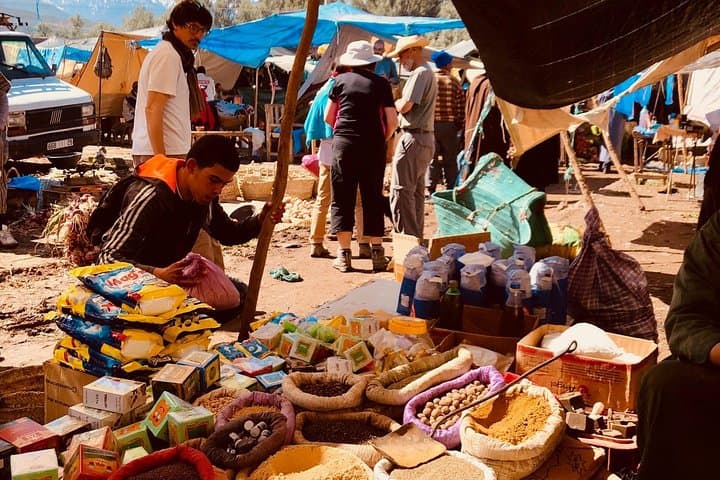
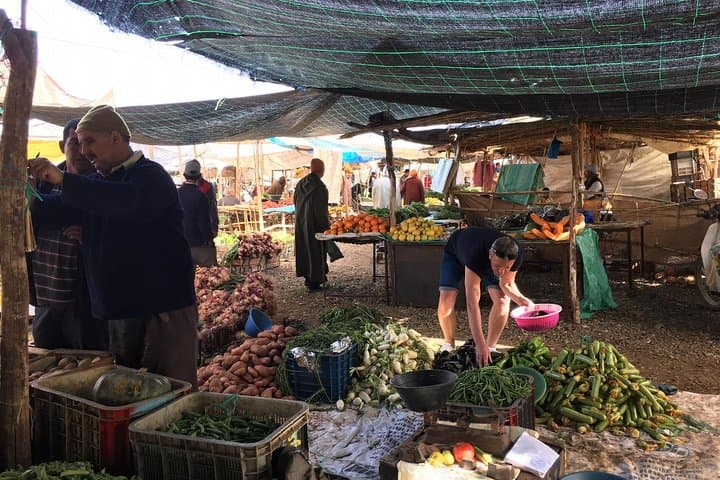
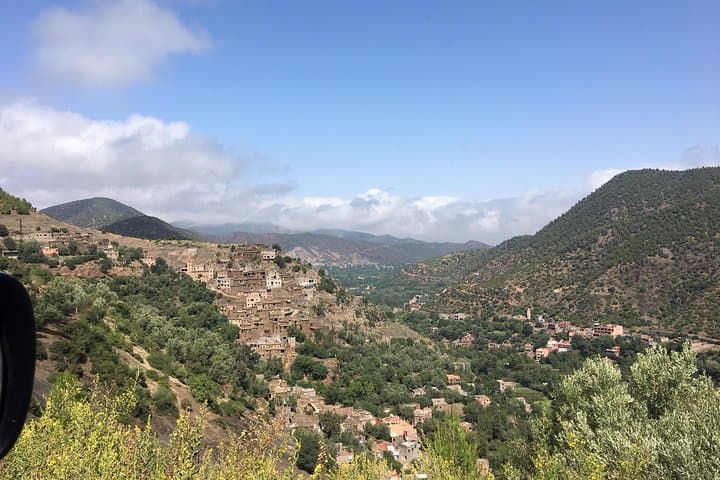
Culturally, the trip meets Amazigh (Berber) life: weekly souks where livestock and woven goods trade hands, homes built from local stone and mud, and a hospitality tradition that centers meals as storytelling. Small villages like Sidi Faress and Setti-Fatma sit at stream edges, their paths tracing old transhumance routes.
Expect roughly 6–8 hours in a private vehicle with rolling dirt roads, short village walks, and a family-style lunch inside a Berber house—tea, tagine, and flatbread prepared on a wood fire. The route is flexible to market days and weather; mornings offer clearer mountain light, afternoons bring thermals and dust.
Practical notes: bring layers for wind and shade, carry 1–2 liters of water, and wear grippy shoes for uneven village lanes. Be ready to adjust plans for local conditions and show basic cultural respect—ask before photographing people. The day is approachable for most travelers but rewards curiosity: quiet viewpoints, roadside traders, and a chance to sit with locals and hear the valley’s cadence firsthand.
easy.
6–8 hours.
Suitable for most fitness levels; able to walk short distances on uneven ground.
The tour runs about 6–8 hours and typically departs Marrakech around 9:00 AM with return in the late afternoon.
Yes—vehicles are private and the day is described as easy; there are short walks but no technical sections. Inform the operator of special needs in advance.
Most hosts can adapt meals for common dietary needs if you notify the operator when booking; bring specifics and any necessary supplies for strict restrictions.
The operator may cancel for heavy rain or hazardous road conditions with refund policies typically allowing full refunds if canceled 24 hours prior.
The High Atlas is home to Amazigh (Berber) communities with centuries-old terracing and trade routes; markets and hospitality practices reflect a long history of mountain life.
Water scarcity and grazing pressure affect fragile slopes; support local guides, avoid single-use plastics, and stick to established tracks to reduce erosion.
SAIF Tours operates guided outdoor trips and adventures with an emphasis on safety, stewardship, and memorable experiences.
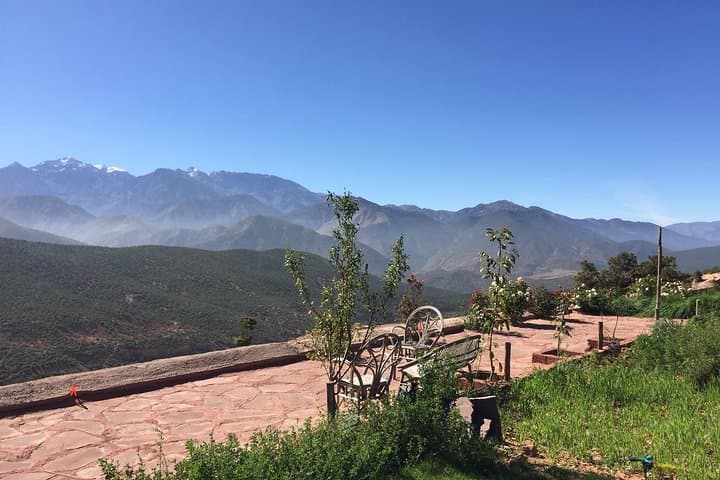
The engine rumbles and the ochre city falls away as the road climbs into the High Atlas—olive groves give way to scrub and stone, and the wind shapes the plateaus into ridges that dare you to look farther.
The engine rumbles and the ochre city falls away as the road climbs into the High Atlas—olive groves give way to scrub and stone, and the wind shapes the plateaus into ridges that dare you to look farther.
This full-day 4x4 loop threads the Asni and Ourika valleys, crosses the Kik plateau and stops at a Berber house for a shared lunch. Geologically, you move from alluvial plains into folded metamorphic rocks of the High Atlas, where rivers have carved terraces and soils are thin—these are working landscapes shaped by centuries of terracing and goat herding.
Culturally, the trip meets Amazigh (Berber) life: weekly souks where livestock and woven goods trade hands, homes built from local stone and mud, and a hospitality tradition that centers meals as storytelling. Small villages like Sidi Faress and Setti-Fatma sit at stream edges, their paths tracing old transhumance routes.
Expect roughly 6–8 hours in a private vehicle with rolling dirt roads, short village walks, and a family-style lunch inside a Berber house—tea, tagine, and flatbread prepared on a wood fire. The route is flexible to market days and weather; mornings offer clearer mountain light, afternoons bring thermals and dust.
Practical notes: bring layers for wind and shade, carry 1–2 liters of water, and wear grippy shoes for uneven village lanes. Be ready to adjust plans for local conditions and show basic cultural respect—ask before photographing people. The day is approachable for most travelers but rewards curiosity: quiet viewpoints, roadside traders, and a chance to sit with locals and hear the valley’s cadence firsthand.