THE ADVENTURE COLLECTIVE® · Independent discovery and booking for outdoor travel

Escape Marrakech for a full day into the High Atlas—Ourika, Moulay Brahim, Asni and Imlil—where waterfalls, Berber hospitality and mountain panoramas await. This full-day excursion blends short hikes, a local lunch and cultural stops with comfortable transport.
Escape Marrakech for a full day into the High Atlas—Ourika, Moulay Brahim, Asni and Imlil—where waterfalls, Berber hospitality and mountain panoramas await. This full-day excursion blends short hikes, a local lunch and cultural stops with comfortable transport.
You roll out of Marrakech before the city wakes and drive into the High Atlas, the road carving a ribbon through ochre gorges and terraced fields.
Verified experiences and guided adventures in the surrounding area.
Operated by Best Marrakech Tours · Marrakech, Marrakech-Safi
You roll out of Marrakech before the city wakes and drive into the High Atlas, the road carving a ribbon through ochre gorges and terraced fields.
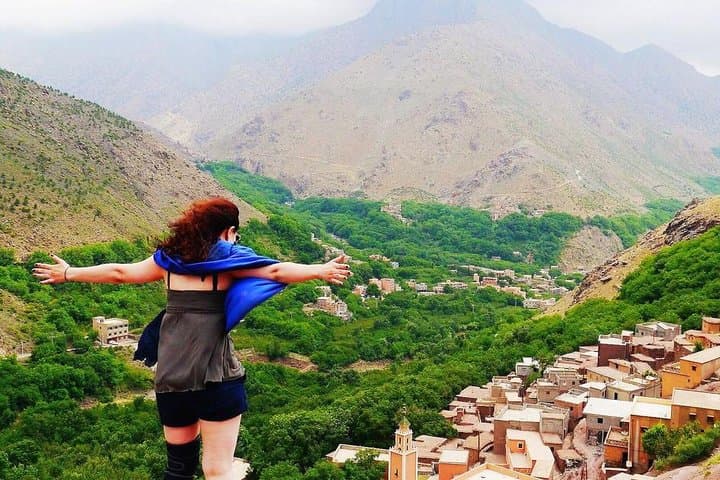
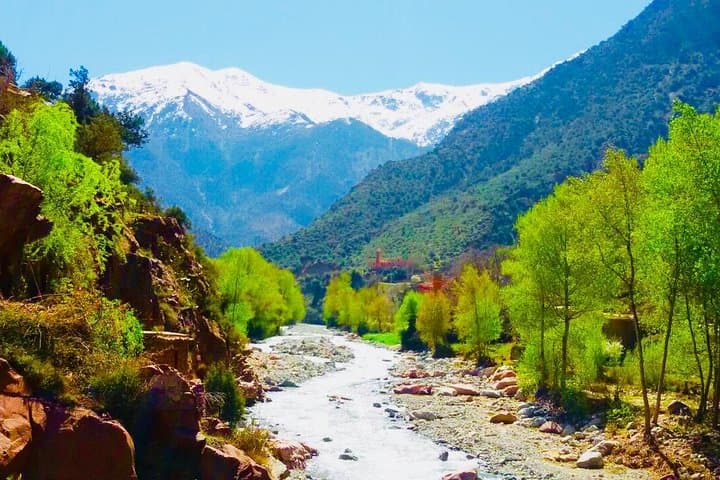
The Ourika Valley opens first: a river daring you to follow its stepping-stone paths to Setti Fatma and its low waterfalls. Further on, the route threads through Moulay Brahim Gorges and the market town of Asni—alive on market days with spices, woven blankets and grazing goats—before arriving in Imlil, a green basin at roughly 1,740 m below the flanks of Mt. Toubkal (4,167 m).
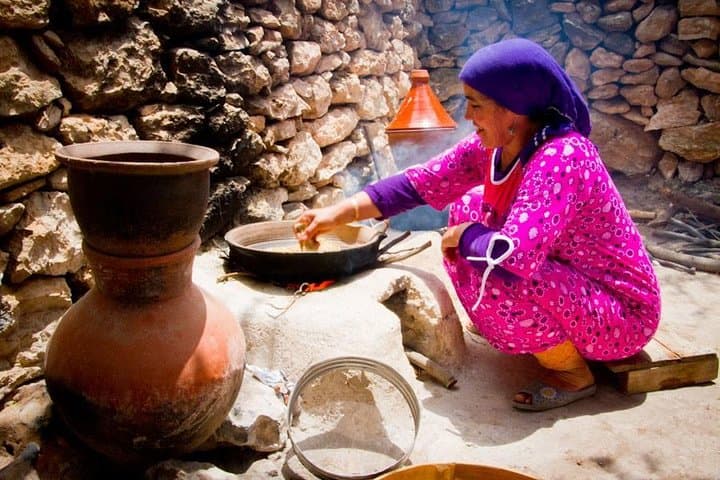
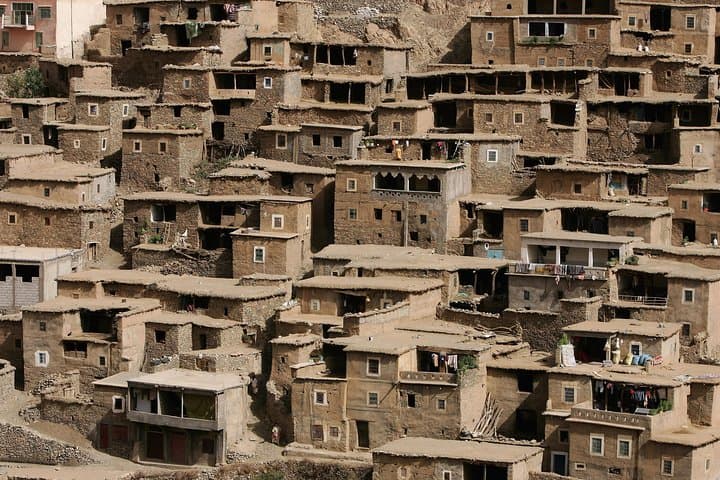
Geology here reads as uplift and abrasion: folded mountains raised by the African–Eurasian collision, cut by seasonal streams that keep pockets of irrigation alive. Culture is equally present—Amazigh (Berber) homesteads still practice seasonal grazing; a lunch in a Berber house and a short camel ride introduce local rhythms and recipes.
Expect easy to moderate walking on dirt tracks and stone steps, short local climbs and panoramic roadside stops. The day balances scenic viewpoints with practical comforts: an English-speaking guide, bottled water, air-conditioned transfers and a mid-day meal.
Practical notes: start early to avoid heat, wear grippy shoes for uneven tracks and layers for altitude shift. If you’re sensitive to tight vehicles or long days, discuss pickup details in advance—the drive out and back takes a good portion of the day. By late afternoon you’ll return to Marrakech with new perspectives on mountain life and a better sense of why the Atlas holds both wildness and hospitality.
moderate.
8–9 hours.
Suitable for most people who can walk 2–4 miles over uneven ground and short steeper sections; not strenuous but requires basic mobility.
The excursion runs about 8–9 hours; pickup from Marrakech is usually early morning—confirm exact pickup time when booking.
Walks are short to moderate on uneven tracks and stone steps; the tour is described as suitable for varying fitness levels but requires basic mobility.
Includes air-conditioned transport, an English-speaking guide, bottled water, lunch in a Berber house, a camel ride and hotel pickup/drop-off.
Most time is spent below 2,000 m (Imlil area ~1,740 m); typical day-trip altitude changes are mild but those sensitive to altitude should consult a doctor.
The High Atlas has long been home to Amazigh (Berber) communities whose villages and terraced agriculture reflect centuries of mountain pastoralism and trade.
Stick to trails and avoid plastic waste—water scarcity and erosion are local concerns; support homestays and authorized guides to benefit communities.
Best Marrakech Tours operates guided outdoor trips and adventures with an emphasis on safety, stewardship, and memorable experiences.
You roll out of Marrakech before the city wakes and drive into the High Atlas, the road carving a ribbon through ochre gorges and terraced fields.
You roll out of Marrakech before the city wakes and drive into the High Atlas, the road carving a ribbon through ochre gorges and terraced fields.
The Ourika Valley opens first: a river daring you to follow its stepping-stone paths to Setti Fatma and its low waterfalls. Further on, the route threads through Moulay Brahim Gorges and the market town of Asni—alive on market days with spices, woven blankets and grazing goats—before arriving in Imlil, a green basin at roughly 1,740 m below the flanks of Mt. Toubkal (4,167 m).
Geology here reads as uplift and abrasion: folded mountains raised by the African–Eurasian collision, cut by seasonal streams that keep pockets of irrigation alive. Culture is equally present—Amazigh (Berber) homesteads still practice seasonal grazing; a lunch in a Berber house and a short camel ride introduce local rhythms and recipes.
Expect easy to moderate walking on dirt tracks and stone steps, short local climbs and panoramic roadside stops. The day balances scenic viewpoints with practical comforts: an English-speaking guide, bottled water, air-conditioned transfers and a mid-day meal.
Practical notes: start early to avoid heat, wear grippy shoes for uneven tracks and layers for altitude shift. If you’re sensitive to tight vehicles or long days, discuss pickup details in advance—the drive out and back takes a good portion of the day. By late afternoon you’ll return to Marrakech with new perspectives on mountain life and a better sense of why the Atlas holds both wildness and hospitality.