THE ADVENTURE COLLECTIVE® · Independent discovery and booking for outdoor travel

Escape Marrakech for a full-day circuit through the High Atlas: waterfalls, Berber villages, an argan co-op and the green folds of Ourika and Imlil valleys. This practical guide prepares you for the terrain, culture and logistics of a rewarding mountain day trip.
Escape Marrakech for a full-day circuit through the High Atlas: waterfalls, Berber villages, an argan co-op and the green folds of Ourika and Imlil valleys. This practical guide prepares you for the terrain, culture and logistics of a rewarding mountain day trip.
You leave Marrakech with the city heat shrinking behind you and the road climbing into a green flank of the High Atlas, where the air sharpens and stone folds into terraced fields.
Verified experiences and guided adventures in the surrounding area.
Operated by Amanzal Travel Day Tours · Marrakech, Marrakech-Safi
You leave Marrakech with the city heat shrinking behind you and the road climbing into a green flank of the High Atlas, where the air sharpens and stone folds into terraced fields.
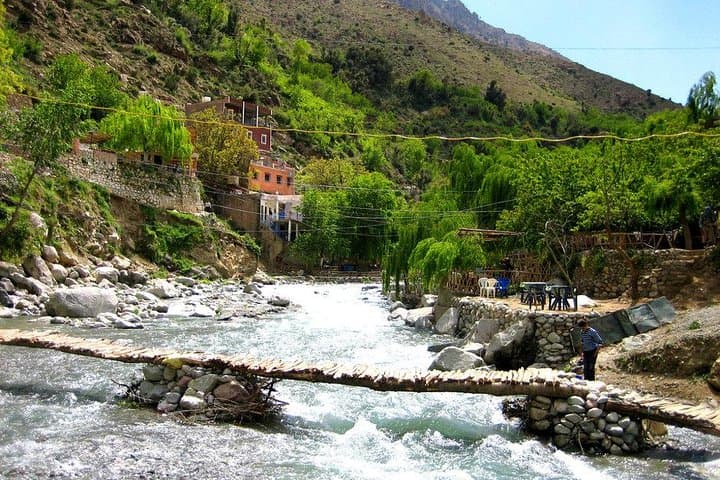
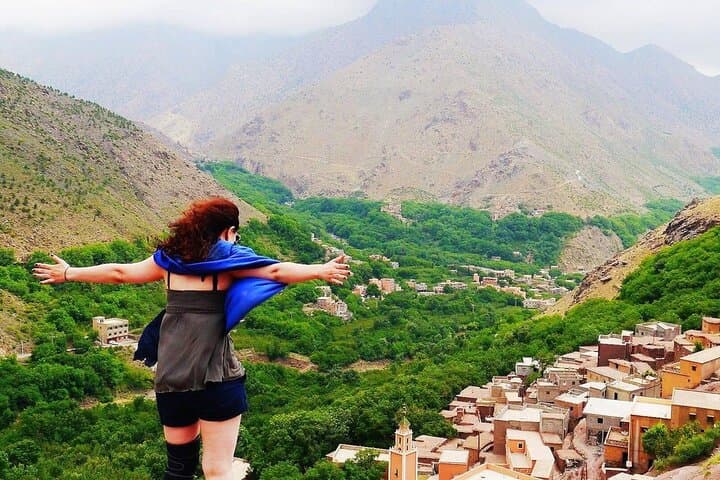
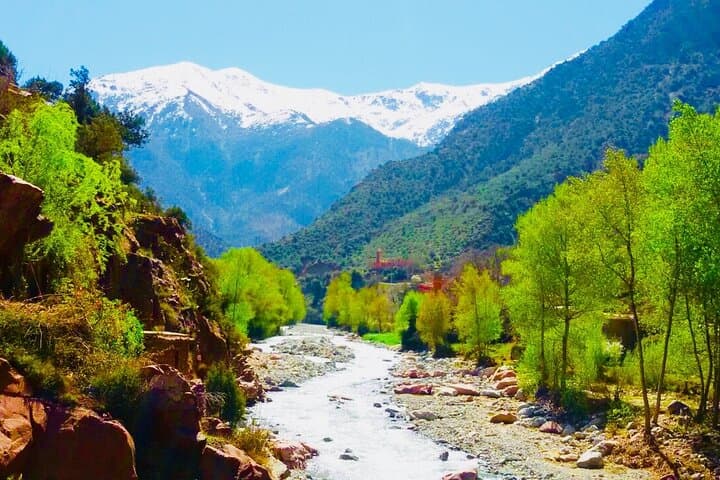
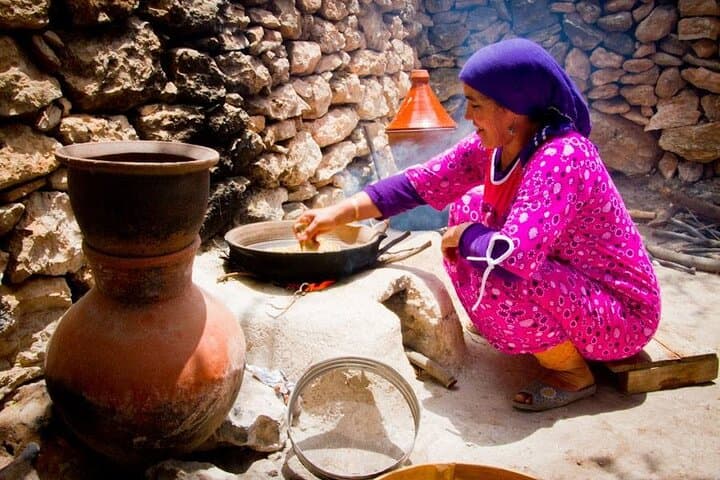
The day follows the Ourika and Imlil corridors—river-cut valleys that have guided farmers and traders for centuries. Geology here is visible: tilted schists and volcanic intrusions sculpt the gorges, while seasonal streams carve stepped waterfalls that dare you to climb a little higher. The human story is immediate too; small Amazigh (Berber) villages occupy sunny benches, their houses of stone and earthen plaster rooted in mountain rhythms. You’ll pass an argan oil cooperative and may visit a Berber home to see daily crafts and bread ovens.
Culturally straightforward but rich, the trip mixes short hikes—well-marked paths to Setti Fatma waterfalls—with easy drives through Moulay Brahim Gorges and the Asni market on market days. Expect terraced farms, mule tracks, and views toward Jebel Toubkal on clear days.
Practically: this is a full-day excursion (about 8–9 hours) that requires comfortable walking shoes, sun protection, and a light daypack. Water, snacks, and layered clothing will keep you comfortable as temperatures swing between valley warmth and cooler mountain breezes. Photography is rewarding at waterfalls and viewpoints, but respect private homes and ask before photographing locals. The route is suitable for most fitness levels but involves uneven trail sections and short uphill stretches—plan for steady, unhurried pace.
moderate.
8–9 hours.
Suitable for travelers with basic walking fitness who can manage short uphill sections and uneven trails.
The valleys lie roughly 40 km south of Marrakech; travel time depends on traffic but is typically 60–90 minutes to the Ourika area.
Hikes are short and mostly moderate—well-suited to people of average fitness; some sections are uneven and require sure footing.
Most operators can handle basic dietary requests if noted at booking; bring snacks if you have strict requirements.
Tipping is appreciated but discretionary; small gestures to hosts and local guides are common practice.
The High Atlas has been inhabited by Amazigh (Berber) communities for millennia; valleys like Ourika were traditional pastoral and trade routes linking Marrakech to mountain pastures.
Stay on trails, avoid disturbing argan groves, and use local services to support community-based tourism; water is limited in summer—minimize waste.
Amanzal Travel Day Tours operates guided outdoor trips and adventures with an emphasis on safety, stewardship, and memorable experiences.
You leave Marrakech with the city heat shrinking behind you and the road climbing into a green flank of the High Atlas, where the air sharpens and stone folds into terraced fields.
You leave Marrakech with the city heat shrinking behind you and the road climbing into a green flank of the High Atlas, where the air sharpens and stone folds into terraced fields.
The day follows the Ourika and Imlil corridors—river-cut valleys that have guided farmers and traders for centuries. Geology here is visible: tilted schists and volcanic intrusions sculpt the gorges, while seasonal streams carve stepped waterfalls that dare you to climb a little higher. The human story is immediate too; small Amazigh (Berber) villages occupy sunny benches, their houses of stone and earthen plaster rooted in mountain rhythms. You’ll pass an argan oil cooperative and may visit a Berber home to see daily crafts and bread ovens.
Culturally straightforward but rich, the trip mixes short hikes—well-marked paths to Setti Fatma waterfalls—with easy drives through Moulay Brahim Gorges and the Asni market on market days. Expect terraced farms, mule tracks, and views toward Jebel Toubkal on clear days.
Practically: this is a full-day excursion (about 8–9 hours) that requires comfortable walking shoes, sun protection, and a light daypack. Water, snacks, and layered clothing will keep you comfortable as temperatures swing between valley warmth and cooler mountain breezes. Photography is rewarding at waterfalls and viewpoints, but respect private homes and ask before photographing locals. The route is suitable for most fitness levels but involves uneven trail sections and short uphill stretches—plan for steady, unhurried pace.