THE ADVENTURE COLLECTIVE® · Independent discovery and booking for outdoor travel

Escape Marrakech for a single day and follow rivers, orchards and adobe villages into the Atlas. Hike to Setti Fadma waterfalls, dine with a Berber family, and cross three distinct valleys with local guides.
Escape Marrakech for a single day and follow rivers, orchards and adobe villages into the Atlas. Hike to Setti Fadma waterfalls, dine with a Berber family, and cross three distinct valleys with local guides.
You leave Marrakech as the city’s noise falls away and the road climbs toward stone villages and orchards.
Verified experiences and guided adventures in the surrounding area.
Operated by Safari Desert Tours · Setti Fadma, Marrakech-Safi
You leave Marrakech as the city’s noise falls away and the road climbs toward stone villages and orchards.
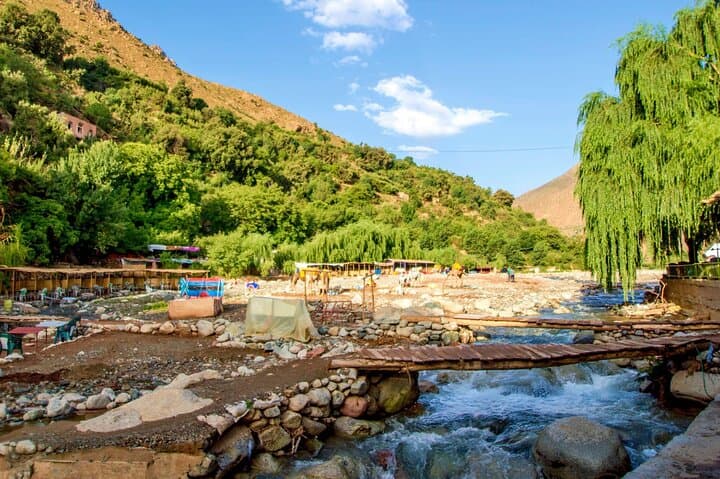
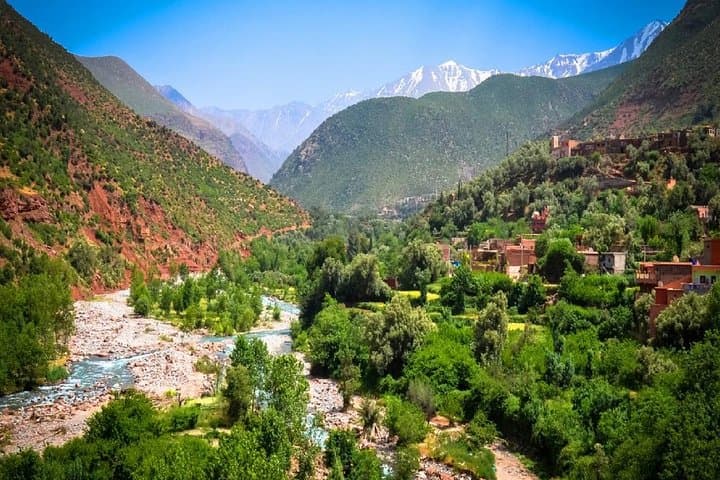
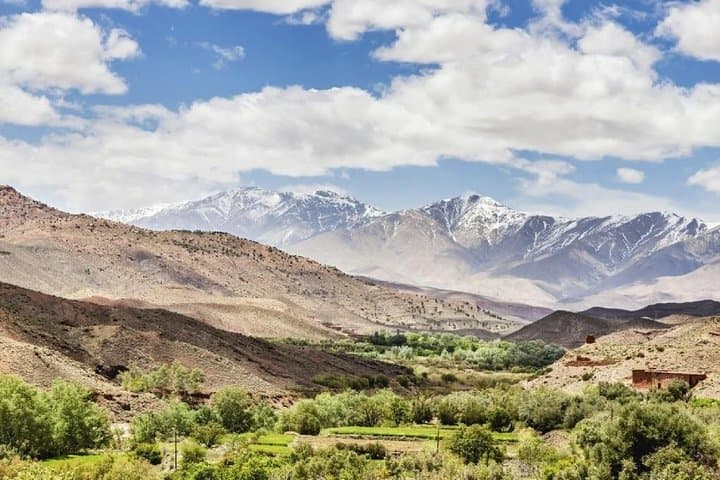
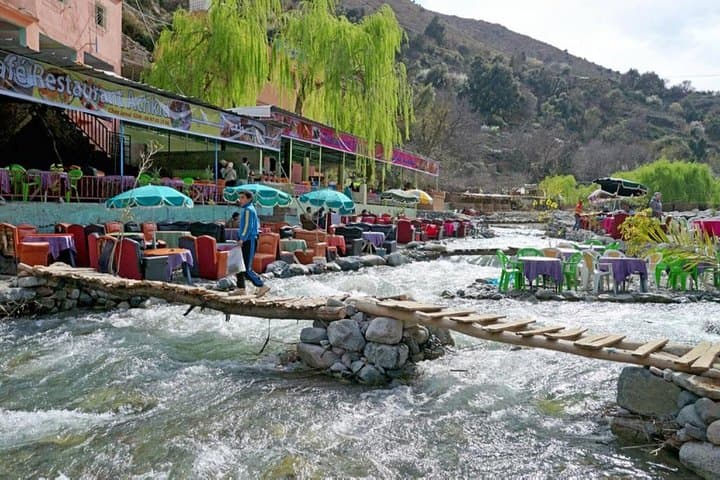
In the car you watch terraces and almond rows unroll; the driver points to the snow line where the High Atlas pins the sky. At Ourika Valley the river dares you closer: rifles of water cut through rock and small cafés line the banks. A guided walk to Setti Fadma’s waterfalls takes about 1½ hours round-trip on uneven paths, passing Berber women sorting argan nuts and shepherds with flocks.
Geology here is blunt—folded schist and granite that shaped steep valleys and the high ridgeline that holds North Africa’s highest peaks. Oukaimeden’s slopes, used for skiing in winter, and Asni’s fruit trees speak to a long mountain agriculture, while weekly markets in Tnine Ourika and Asni remain hubs of trade and local life.
Practical details matter: this is a full-day private tour (9–10 hours) with hotel pickup in an air-conditioned vehicle, a guided waterfall walk, lunch in a Berber house, and a short camel ride. Trails are rocky and can be slippery after rain; a good daypack, sturdy walking shoes, sun protection and water are essential. Bring cash for market purchases and modest clothing for village visits. Travel early in the day to avoid midday heat and to catch clearer views of Jbel Toubkal.
This trip balances short hikes, cultural encounters, and landscape photography—an accessible way to step into Atlas mountain life without technical climbing.
moderate.
9–10 hours.
Moderate fitness—comfortable walking 1–2 hours on uneven, sometimes steep trails plus a full day of sitting in a vehicle.
The guided portion to the Setti Fadma waterfalls is about 1½ hours round-trip, with shorter photo stops available along the road if you prefer not to hike.
Yes — a traditional lunch in a Berber house (tagine or couscous, salads, mint tea and water) is included in the tour price.
The tour is family-friendly, but the waterfall hike involves uneven terrain; less-mobile travelers can remain near river cafés and still enjoy the scenery.
You pass Oukaimeden, a high-altitude ski area; in winter there may be snow on the slopes, but skiing depends on seasonal snowfall and resort operations.
The High Atlas has been home to Berber communities for centuries; valleys like Ourika and Asni developed around seasonal agriculture, argan oil production and mountain trade routes.
Tour operators encourage low-impact visits—stick to marked paths, avoid disturbing wildlife and support local families by eating locally and buying small goods.
Safari Desert Tours operates guided outdoor trips and adventures with an emphasis on safety, stewardship, and memorable experiences.
You leave Marrakech as the city’s noise falls away and the road climbs toward stone villages and orchards.
You leave Marrakech as the city’s noise falls away and the road climbs toward stone villages and orchards.
In the car you watch terraces and almond rows unroll; the driver points to the snow line where the High Atlas pins the sky. At Ourika Valley the river dares you closer: rifles of water cut through rock and small cafés line the banks. A guided walk to Setti Fadma’s waterfalls takes about 1½ hours round-trip on uneven paths, passing Berber women sorting argan nuts and shepherds with flocks.
Geology here is blunt—folded schist and granite that shaped steep valleys and the high ridgeline that holds North Africa’s highest peaks. Oukaimeden’s slopes, used for skiing in winter, and Asni’s fruit trees speak to a long mountain agriculture, while weekly markets in Tnine Ourika and Asni remain hubs of trade and local life.
Practical details matter: this is a full-day private tour (9–10 hours) with hotel pickup in an air-conditioned vehicle, a guided waterfall walk, lunch in a Berber house, and a short camel ride. Trails are rocky and can be slippery after rain; a good daypack, sturdy walking shoes, sun protection and water are essential. Bring cash for market purchases and modest clothing for village visits. Travel early in the day to avoid midday heat and to catch clearer views of Jbel Toubkal.
This trip balances short hikes, cultural encounters, and landscape photography—an accessible way to step into Atlas mountain life without technical climbing.