THE ADVENTURE COLLECTIVE® · Independent discovery and booking for outdoor travel

Spend a day leaving Marrakesh for a tranquil river cruise and a hands-on hike through the High Atlas. This one-day outing pairs easy sightseeing with a 4–6 km waterfall hike across terraces, rocky tracks, and village paths.
Spend a day leaving Marrakesh for a tranquil river cruise and a hands-on hike through the High Atlas. This one-day outing pairs easy sightseeing with a 4–6 km waterfall hike across terraces, rocky tracks, and village paths.
A cool morning mist lifts off the river as the van winds out of Marrakesh and into the High Atlas foothills. The day unfolds in contrast: a slow, reflective river cruise that lets the valley set its pace, followed by a hands-on hike that pulls you upward through terraces, scrub, and stone tracks to a falling ribbon of water.
Verified experiences and guided adventures in the surrounding area.
Operated by Noun Travel · Marrakesh, Marrakech-Safi
A cool morning mist lifts off the river as the van winds out of Marrakesh and into the High Atlas foothills. The day unfolds in contrast: a slow, reflective river cruise that lets the valley set its pace, followed by a hands-on hike that pulls you upward through terraces, scrub, and stone tracks to a falling ribbon of water.
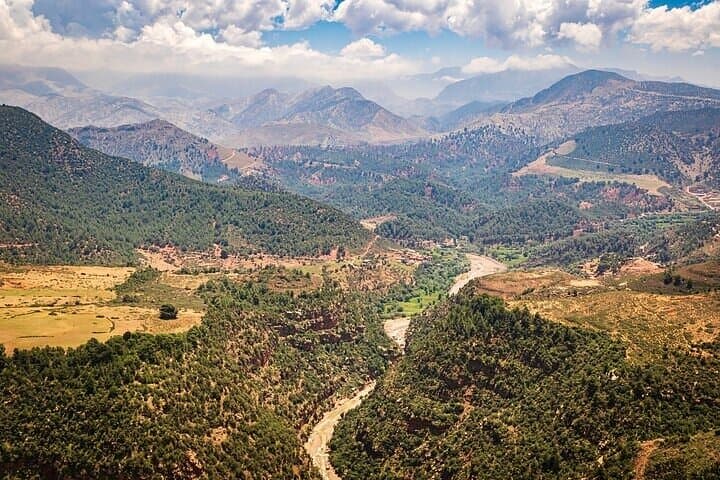
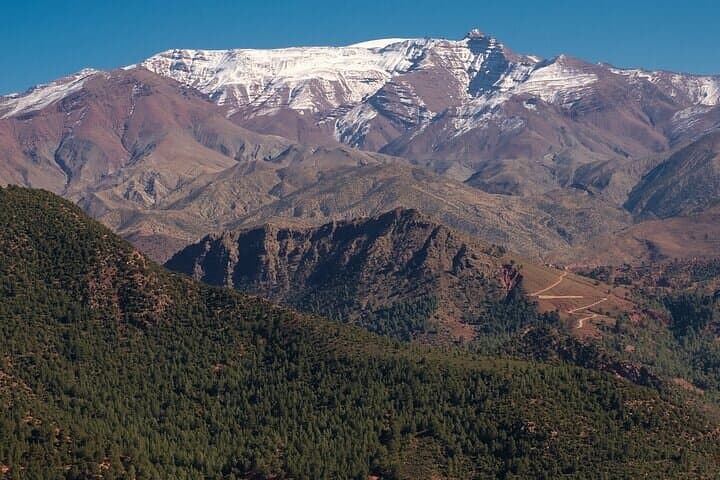
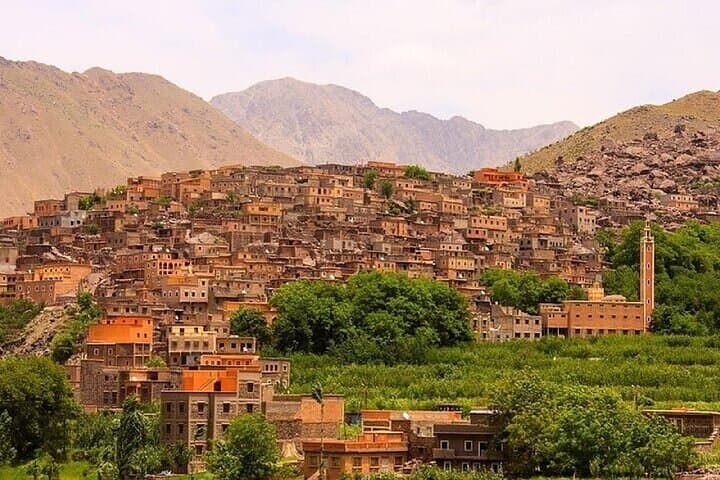
Geology here is immediate—folded schist and volcanic outcrops shaped by winter runoff, with narrow river channels that have carved steep banks over millennia. Culturally, the route threads past small Amazigh (Berber) villages where flat roof terraces and irrigated gardens show an agricultural rhythm unchanged for generations. Expect local guides who introduce brief history, explain old irrigation channels (khettaras), and point out traditional stonework.
The hike itself is roughly 4–6 km round-trip with about 300 m of cumulative elevation gain on mixed terrain: dirt tracks, loose scree, and stepped village paths. There are a few steep pitches and exposed riverbanks where careful footing matters; the waterfall is the reward—a cool spray and a good place to rest.
Practical notes: start early to avoid midday heat, carry 1.5–2 L of water, and wear sturdy hiking shoes with traction. Bring cash for small village purchases and a light rain layer if traveling in winter. The combined river cruise and hike make this a varied day—part calm observation, part deliberate effort—perfect for travelers who want both scenery and movement without committing to multi-day trekking.
moderate.
9 hours.
Good for those who can handle several hours of walking with short steep sections; basic aerobic fitness recommended
The hike is moderate—roughly 4–6 km round-trip with about 300 m of elevation gain on mixed terrain; suitable for most active travelers with steady footing.
Yes, the tour combines a guided river cruise with the hike; both are included in the standard itinerary.
Hotel pickup and drop-off by air-conditioned vehicle are included, but confirm your pickup point when booking.
Families are welcome; children should be supervised on steep or slippery sections and life vests are typically provided for the river portion.
The valleys south of Marrakesh have long been settled by Amazigh communities who developed terrace agriculture and stone irrigation systems that still shape the landscape today.
The High Atlas is ecologically sensitive—stay on trails, avoid single-use plastics, and follow guide instructions to minimize erosion and disturbance.
Noun Travel operates guided outdoor trips and adventures with an emphasis on safety, stewardship, and memorable experiences.
A cool morning mist lifts off the river as the van winds out of Marrakesh and into the High Atlas foothills. The day unfolds in contrast: a slow, reflective river cruise that lets the valley set its pace, followed by a hands-on hike that pulls you upward through terraces, scrub, and stone tracks to a falling ribbon of water.
A cool morning mist lifts off the river as the van winds out of Marrakesh and into the High Atlas foothills. The day unfolds in contrast: a slow, reflective river cruise that lets the valley set its pace, followed by a hands-on hike that pulls you upward through terraces, scrub, and stone tracks to a falling ribbon of water.
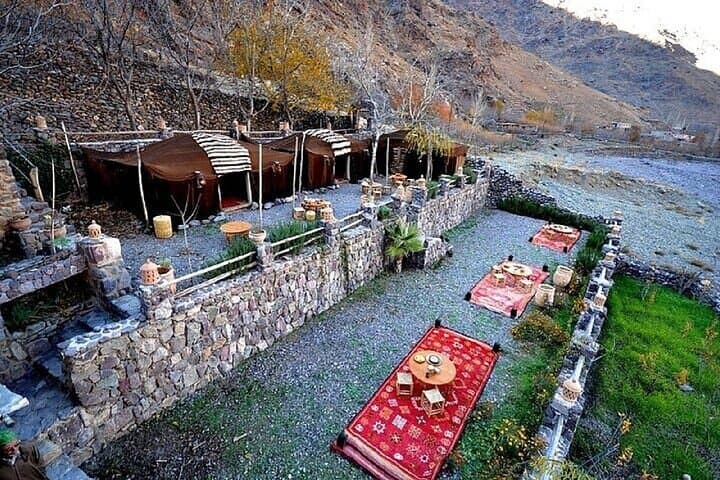
Geology here is immediate—folded schist and volcanic outcrops shaped by winter runoff, with narrow river channels that have carved steep banks over millennia. Culturally, the route threads past small Amazigh (Berber) villages where flat roof terraces and irrigated gardens show an agricultural rhythm unchanged for generations. Expect local guides who introduce brief history, explain old irrigation channels (khettaras), and point out traditional stonework.
The hike itself is roughly 4–6 km round-trip with about 300 m of cumulative elevation gain on mixed terrain: dirt tracks, loose scree, and stepped village paths. There are a few steep pitches and exposed riverbanks where careful footing matters; the waterfall is the reward—a cool spray and a good place to rest.
Practical notes: start early to avoid midday heat, carry 1.5–2 L of water, and wear sturdy hiking shoes with traction. Bring cash for small village purchases and a light rain layer if traveling in winter. The combined river cruise and hike make this a varied day—part calm observation, part deliberate effort—perfect for travelers who want both scenery and movement without committing to multi-day trekking.