THE ADVENTURE COLLECTIVE® · Independent discovery and booking for outdoor travel

A full-day drive from Marrakech through the Ourika Valley to Imlil and Oukaimeden, this trip pairs short walks, mountain viewpoints, and a chance to visit a traditional Berber house. Ideal for travelers who want cultural encounters and accessible High Atlas scenery in one day.
A full-day drive from Marrakech through the Ourika Valley to Imlil and Oukaimeden, this trip pairs short walks, mountain viewpoints, and a chance to visit a traditional Berber house. Ideal for travelers who want cultural encounters and accessible High Atlas scenery in one day.
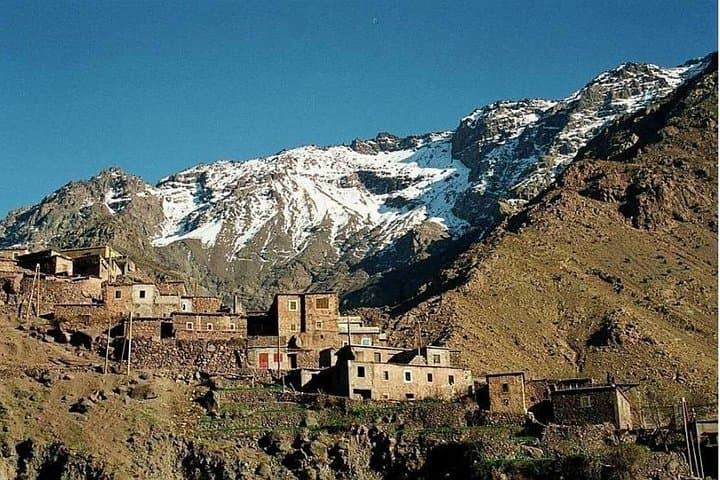
You leave the city behind and the air tightens as the road climbs toward the High Atlas. Olive terraces and dry-stone villages slide past the bus window; the mountains press forward like an advancing coastline. The driver threads hairpin turns toward the Ourika Valley, and the first glimpses of snow on the higher slopes make the hills look like they’re wearing crowns.
Verified experiences and guided adventures in the surrounding area.
Operated by Big Bus Transport · Marrakech, Marrakesh-Safi
You leave the city behind and the air tightens as the road climbs toward the High Atlas. Olive terraces and dry-stone villages slide past the bus window; the mountains press forward like an advancing coastline. The driver threads hairpin turns toward the Ourika Valley, and the first glimpses of snow on the higher slopes make the hills look like they’re wearing crowns.
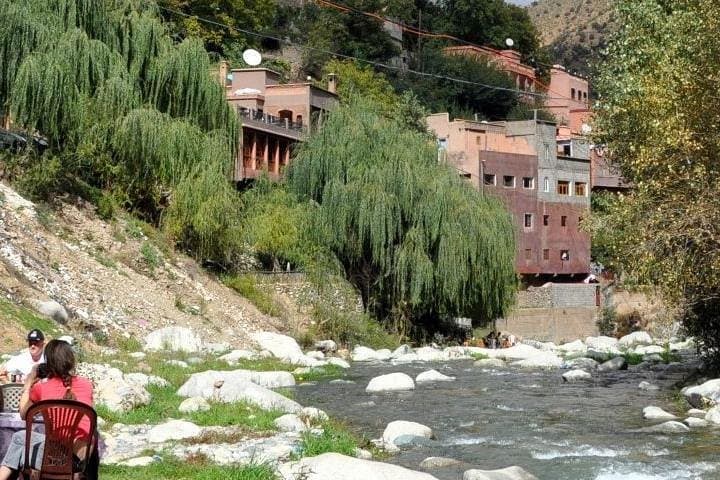
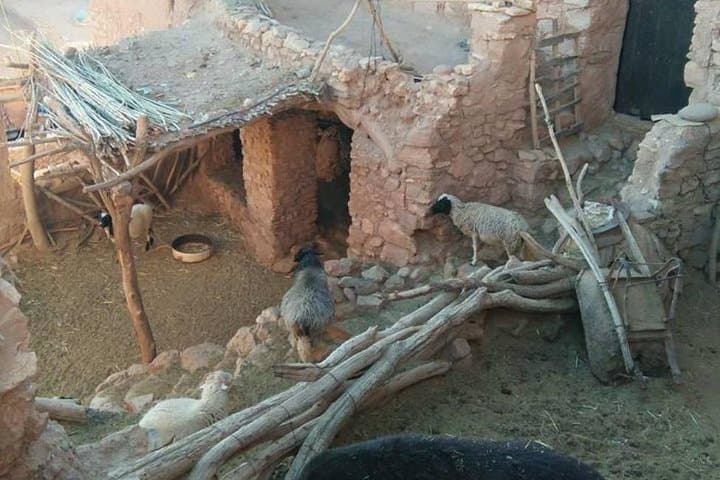
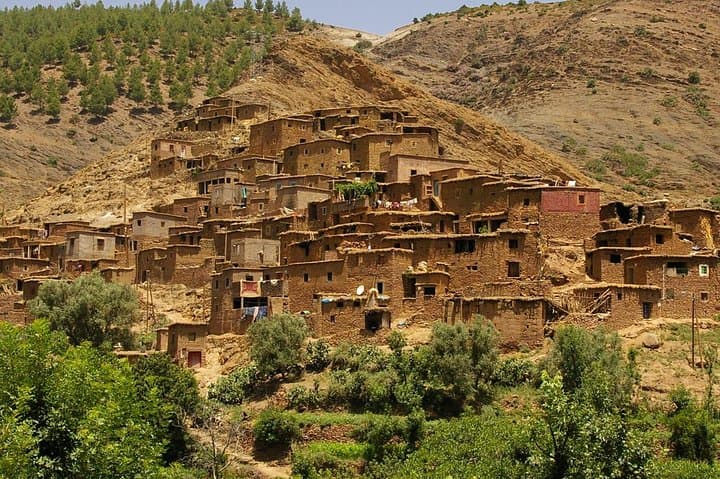
This route follows ancient transhumance paths used by Amazigh (Berber) communities for generations. Geologically the High Atlas is young and rugged — folded limestone and volcanic intrusions pushed up by tectonic forces — which is why you see dramatic ravines, terraced fields, and sudden waterfalls. Culture arrives in the form of small stone houses, women in layered shawls, and market days where farmers trade produce and livestock; Saturday’s Asni souk is a lively example.
Expect short village walks, a visit to a family-run Berber house, panoramic stops near Oukaimeden ski slopes, and a lakeside lunch option at Lalla Takerkoust. The pace is relaxed but punctuated by frequent photo stops and brief hikes of 15–45 minutes on uneven tracks. Bring sun protection, a warm layer for higher passes, and cash for the souk or tips. Hydration matters — mountain air is dry and deceptive — and wear sturdy shoes; some village trails are rocky and steep.
Timing makes the trip: Saturday visits hit the biggest markets; winter brings snow on the peaks; spring opens wildflowers. The day delivers cultural contact, accessible mountain scenery, and the clear sense that these villages have been living off the land for centuries.
easy.
5–8 hours.
Suitable for most fitness levels; must be able to manage short uneven walks of 15–45 minutes and boarding a vehicle multiple times.
Most tours include hotel or riad pickup in central Marrakech; confirm your pickup point and time when booking.
Options typically include a family-hosted meal or a restaurant lunch by the lake; specify dietary needs when booking.
Yes — the itinerary notes it’s suitable for all ages but children must be accompanied by an adult and should handle short walks and vehicle time.
Snow on higher passes is seasonal — common in winter and possible into spring at elevations near 2,000 m, but not guaranteed.
The High Atlas has been inhabited by Amazigh communities for millennia; villages on this route still follow agricultural calendars and market traditions that predate modern borders.
Tourism can strain water resources and trails; minimize waste, avoid single-use plastics, and hire local guides who support community conservation.
Big Bus Transport operates guided outdoor trips and adventures with an emphasis on safety, stewardship, and memorable experiences.
You leave the city behind and the air tightens as the road climbs toward the High Atlas. Olive terraces and dry-stone villages slide past the bus window; the mountains press forward like an advancing coastline. The driver threads hairpin turns toward the Ourika Valley, and the first glimpses of snow on the higher slopes make the hills look like they’re wearing crowns.
You leave the city behind and the air tightens as the road climbs toward the High Atlas. Olive terraces and dry-stone villages slide past the bus window; the mountains press forward like an advancing coastline. The driver threads hairpin turns toward the Ourika Valley, and the first glimpses of snow on the higher slopes make the hills look like they’re wearing crowns.
This route follows ancient transhumance paths used by Amazigh (Berber) communities for generations. Geologically the High Atlas is young and rugged — folded limestone and volcanic intrusions pushed up by tectonic forces — which is why you see dramatic ravines, terraced fields, and sudden waterfalls. Culture arrives in the form of small stone houses, women in layered shawls, and market days where farmers trade produce and livestock; Saturday’s Asni souk is a lively example.
Expect short village walks, a visit to a family-run Berber house, panoramic stops near Oukaimeden ski slopes, and a lakeside lunch option at Lalla Takerkoust. The pace is relaxed but punctuated by frequent photo stops and brief hikes of 15–45 minutes on uneven tracks. Bring sun protection, a warm layer for higher passes, and cash for the souk or tips. Hydration matters — mountain air is dry and deceptive — and wear sturdy shoes; some village trails are rocky and steep.
Timing makes the trip: Saturday visits hit the biggest markets; winter brings snow on the peaks; spring opens wildflowers. The day delivers cultural contact, accessible mountain scenery, and the clear sense that these villages have been living off the land for centuries.