THE ADVENTURE COLLECTIVE® · Independent discovery and booking for outdoor travel

Spend a day hiking from Marrakech into the High Atlas to meet Berber villagers, walk mule tracks and enjoy a home-cooked three-course lunch. This full-day trek offers steep valley views, cultural exchange and optional mule rides.
Spend a day hiking from Marrakech into the High Atlas to meet Berber villagers, walk mule tracks and enjoy a home-cooked three-course lunch. This full-day trek offers steep valley views, cultural exchange and optional mule rides.
You leave Marrakech before dawn and the city’s heat loosens into a cool ribbon of road climbing toward the High Atlas. By mid-morning the landscape has changed: scrubbed foothills give way to steep, terraced slopes, and the peaks lean close enough to read their shadows. Villages of stone and sun-baked plaster appear along the track; smoke from hearth fires and the clack of mule bells set a steady tempo.
Verified experiences and guided adventures in the surrounding area.
Operated by Maachou Mohamed · Marrakech, Marrakech-Safi
You leave Marrakech before dawn and the city’s heat loosens into a cool ribbon of road climbing toward the High Atlas. By mid-morning the landscape has changed: scrubbed foothills give way to steep, terraced slopes, and the peaks lean close enough to read their shadows. Villages of stone and sun-baked plaster appear along the track; smoke from hearth fires and the clack of mule bells set a steady tempo.
The High Atlas are young mountains in geological terms—uplifted granitic cores fractured by faulting—and those rocks shape the narrow valleys you walk. The people you meet are Amazigh (Berber); their villages have long been stopovers for transhumant shepherds and trade routes between the plain and the mountains. A shared lunch and mint tea at a family house is as much cultural exchange as it is refueling.
Expect singletrack and mule paths, packed earth and occasional scree, and views that open in stages: orchards, walnut groves, then bare ridgelines capped by higher peaks. Elevation on a typical day route ranges from ~1,100–1,800 m with some short, steep pitches—mule options are often available for steeper sections.
Practical guidance: start early to avoid midday sun, carry 2–3 liters of water, and wear broken-in hiking shoes with good ankle support. Respect local customs—ask before photographing people—and tip guides locally in dirhams. Weather changes fast at altitude; pack a wind layer. With a local guide and an air-conditioned minivan for pickups, this trek is accessible to most walkers who can handle several hours on uneven terrain.
easy.
8–10 hours.
Good for those with basic walking fitness; able to handle several hours on uneven trails and short steep sections.
Most operators offer hotel pickup in Marrakech by air-conditioned minivan; confirm your pickup point and time when you book.
Children may join if supervised—operator notes children must be accompanied by an adult and fit the walking duration.
Yes—carry small bills for tips, local purchases, or tea in villages where cards aren’t accepted.
Day routes are moderate with short steep sections; allow for slower pace if you’re sensitive to altitude and communicate with your guide.
The High Atlas has long been a corridor for Amazigh communities and seasonal shepherding; many villages preserve traditional stone architecture and irrigation practices.
Stick to marked paths, pack out waste, and support local guides and family-run lunch stops to keep tourism benefits local and minimize impact.
Maachou Mohamed operates guided outdoor trips and adventures with an emphasis on safety, stewardship, and memorable experiences.
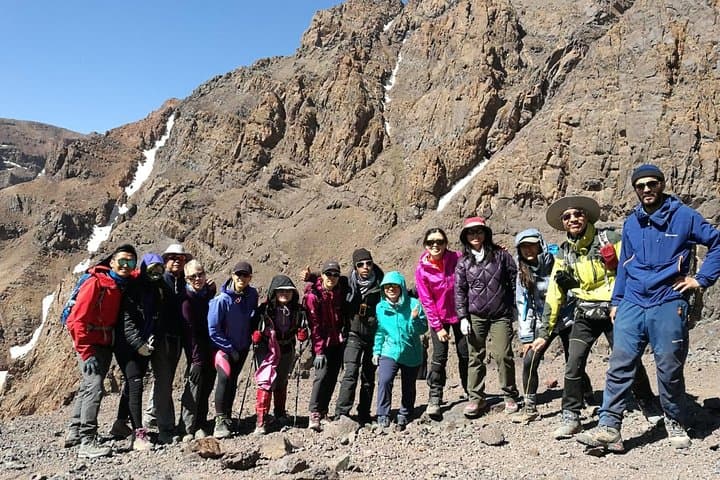
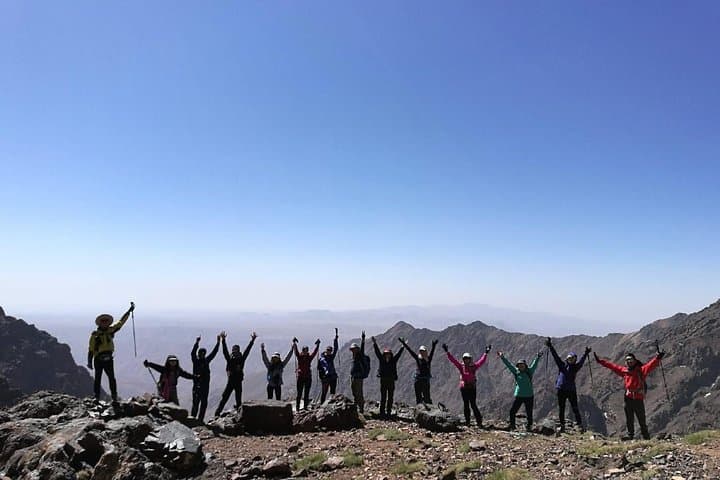
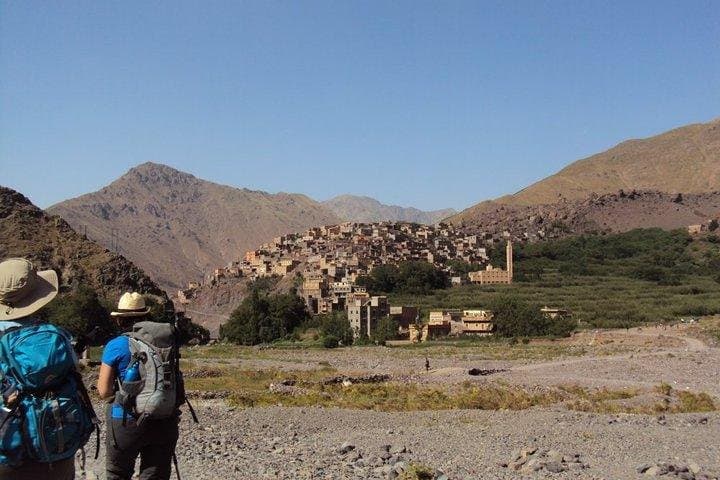
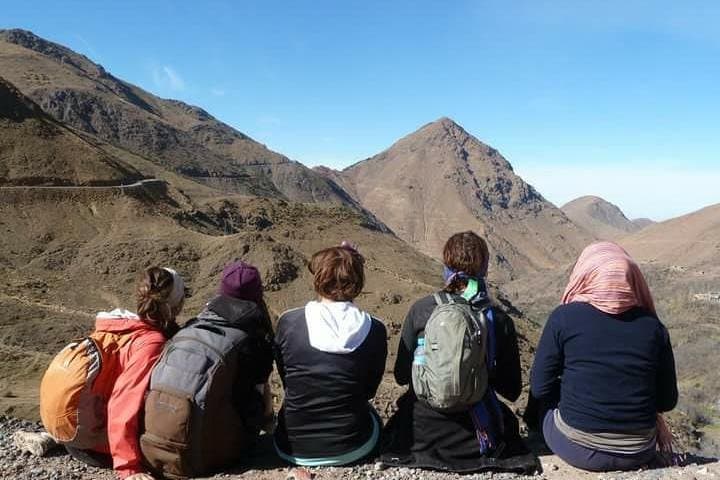
You leave Marrakech before dawn and the city’s heat loosens into a cool ribbon of road climbing toward the High Atlas. By mid-morning the landscape has changed: scrubbed foothills give way to steep, terraced slopes, and the peaks lean close enough to read their shadows. Villages of stone and sun-baked plaster appear along the track; smoke from hearth fires and the clack of mule bells set a steady tempo.
You leave Marrakech before dawn and the city’s heat loosens into a cool ribbon of road climbing toward the High Atlas. By mid-morning the landscape has changed: scrubbed foothills give way to steep, terraced slopes, and the peaks lean close enough to read their shadows. Villages of stone and sun-baked plaster appear along the track; smoke from hearth fires and the clack of mule bells set a steady tempo.
The High Atlas are young mountains in geological terms—uplifted granitic cores fractured by faulting—and those rocks shape the narrow valleys you walk. The people you meet are Amazigh (Berber); their villages have long been stopovers for transhumant shepherds and trade routes between the plain and the mountains. A shared lunch and mint tea at a family house is as much cultural exchange as it is refueling.
Expect singletrack and mule paths, packed earth and occasional scree, and views that open in stages: orchards, walnut groves, then bare ridgelines capped by higher peaks. Elevation on a typical day route ranges from ~1,100–1,800 m with some short, steep pitches—mule options are often available for steeper sections.
Practical guidance: start early to avoid midday sun, carry 2–3 liters of water, and wear broken-in hiking shoes with good ankle support. Respect local customs—ask before photographing people—and tip guides locally in dirhams. Weather changes fast at altitude; pack a wind layer. With a local guide and an air-conditioned minivan for pickups, this trek is accessible to most walkers who can handle several hours on uneven terrain.