THE ADVENTURE COLLECTIVE® · Independent discovery and booking for outdoor travel

Escape Marrakech for a private day in the High Atlas: a guided hike into Berber villages, a wood-fire lunch in a family home, and a close look at traditional mountain life. Expect 6–8 hours including transfers and a moderate hike on rocky trails.
Escape Marrakech for a private day in the High Atlas: a guided hike into Berber villages, a wood-fire lunch in a family home, and a close look at traditional mountain life. Expect 6–8 hours including transfers and a moderate hike on rocky trails.
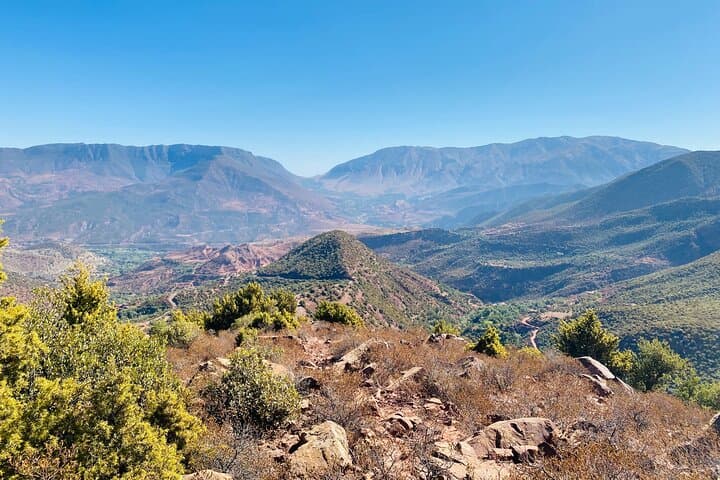
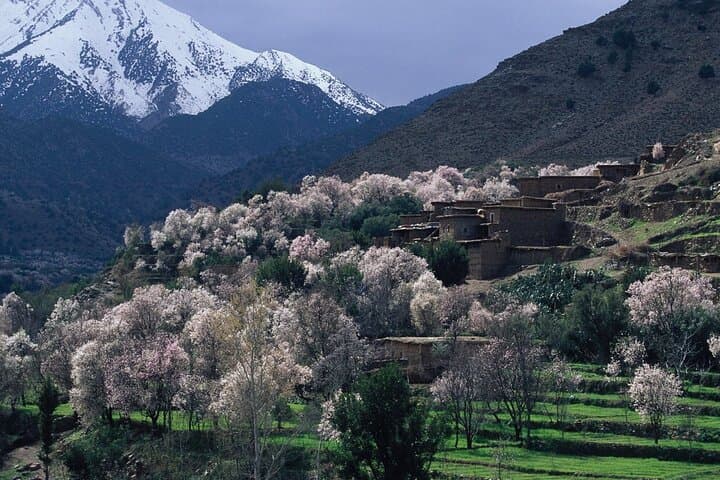
Dusty air from the road gives way to a sudden coolness as the track climbs into the High Atlas. Olive terraces and dry stone walls slide past the window, then the vehicle slows at a village where mules wait and a guide checks boots. The day unfolds on foot and by ear — narrow paths that switchback through almond trees, the scent of wood smoke drawing you toward a low house where lunch still cooks on an open flame.
Verified experiences and guided adventures in the surrounding area.
Operated by Oubihi Trans · Imlil, Marrakech-Safi
Dusty air from the road gives way to a sudden coolness as the track climbs into the High Atlas. Olive terraces and dry stone walls slide past the window, then the vehicle slows at a village where mules wait and a guide checks boots. The day unfolds on foot and by ear — narrow paths that switchback through almond trees, the scent of wood smoke drawing you toward a low house where lunch still cooks on an open flame.
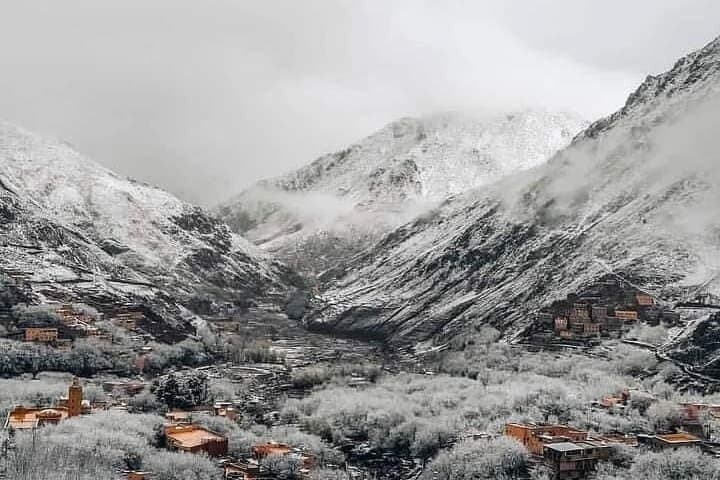
The High Atlas is young in geologic terms: folded and uplifted as the African and Eurasian plates pressed together, its valleys expose schist and volcanic intrusions carved by seasonal torrents. Culturally, this landscape is home to Amazigh (Berber) communities who manage terraced fields and maintain indigenous weaving, pottery and bread-baking traditions. Weekly markets remain social anchors; on Saturdays villagers converge to trade goods, news and the occasional gossip.
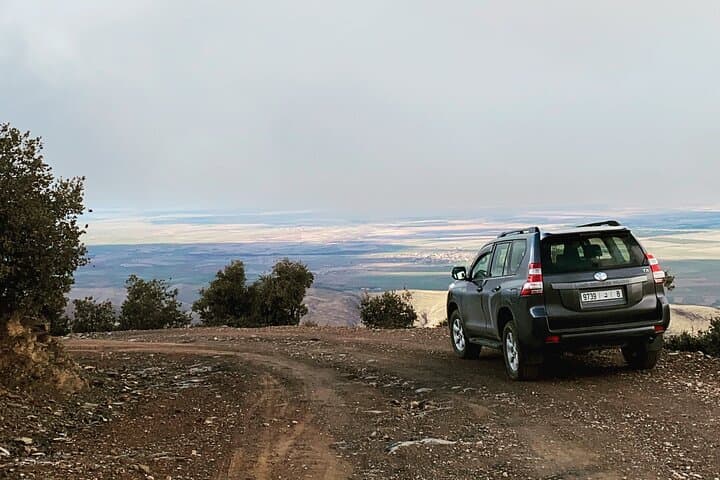
Practically, expect a 6–8 hour private outing from Marrakech with 1–2 hours each way by air-conditioned vehicle and a guided hike of roughly 4–7 km round-trip with up to ~500 m of ascent on uneven, rocky trails. Portions may be steeper or muddy after rain; mules are commonly used for transport. You’ll visit a Berber house, try wood-fire cuisine, and learn about local crafts.
Pack layered clothing, sturdy boots, sun protection and water; plan for variable mountain weather. Timing early in the day reduces heat and gives the afternoon to explore the village or the weekly market. The tour blends culture and terrain — an accessible introduction to Atlas life for hikers with moderate fitness.
moderate.
6–8 hours (including transfers).
Good for travelers with moderate fitness able to manage sustained walking and short steep sections
The guided walk is typically 4–7 km round-trip, lasting 2–4 hours depending on pace and stops.
Yes if they have moderate mobility; the tour can include mule transport for those who prefer not to walk steep sections.
A traditional Berber-style lunch cooked over a wood fire is usually included and bottled water is provided.
This is a guided private tour; a local guide accompanies you to villages, leads the hike, and explains cultural practices.
The Amazigh people have lived in the High Atlas for millennia, maintaining distinct language, social structures and mountain agriculture adapted to steep terrain.
Water is scarce in parts of the High Atlas; support local guides and craftspeople, avoid single-use plastics, and stick to established trails to reduce erosion.
Oubihi Trans operates guided outdoor trips and adventures with an emphasis on safety, stewardship, and memorable experiences.
Dusty air from the road gives way to a sudden coolness as the track climbs into the High Atlas. Olive terraces and dry stone walls slide past the window, then the vehicle slows at a village where mules wait and a guide checks boots. The day unfolds on foot and by ear — narrow paths that switchback through almond trees, the scent of wood smoke drawing you toward a low house where lunch still cooks on an open flame.
Dusty air from the road gives way to a sudden coolness as the track climbs into the High Atlas. Olive terraces and dry stone walls slide past the window, then the vehicle slows at a village where mules wait and a guide checks boots. The day unfolds on foot and by ear — narrow paths that switchback through almond trees, the scent of wood smoke drawing you toward a low house where lunch still cooks on an open flame.
The High Atlas is young in geologic terms: folded and uplifted as the African and Eurasian plates pressed together, its valleys expose schist and volcanic intrusions carved by seasonal torrents. Culturally, this landscape is home to Amazigh (Berber) communities who manage terraced fields and maintain indigenous weaving, pottery and bread-baking traditions. Weekly markets remain social anchors; on Saturdays villagers converge to trade goods, news and the occasional gossip.
Practically, expect a 6–8 hour private outing from Marrakech with 1–2 hours each way by air-conditioned vehicle and a guided hike of roughly 4–7 km round-trip with up to ~500 m of ascent on uneven, rocky trails. Portions may be steeper or muddy after rain; mules are commonly used for transport. You’ll visit a Berber house, try wood-fire cuisine, and learn about local crafts.
Pack layered clothing, sturdy boots, sun protection and water; plan for variable mountain weather. Timing early in the day reduces heat and gives the afternoon to explore the village or the weekly market. The tour blends culture and terrain — an accessible introduction to Atlas life for hikers with moderate fitness.