THE ADVENTURE COLLECTIVE® · Independent discovery and booking for outdoor travel

A six-day guided trek from Marrakech into the High Atlas, linking traditional Berber villages across high passes and walnut-scented valleys. Expect 2½–7 hour walking days, mule-supported transfers, and village stays amid alpine juniper and granite ridgelines.
A six-day guided trek from Marrakech into the High Atlas, linking traditional Berber villages across high passes and walnut-scented valleys. Expect 2½–7 hour walking days, mule-supported transfers, and village stays amid alpine juniper and granite ridgelines.
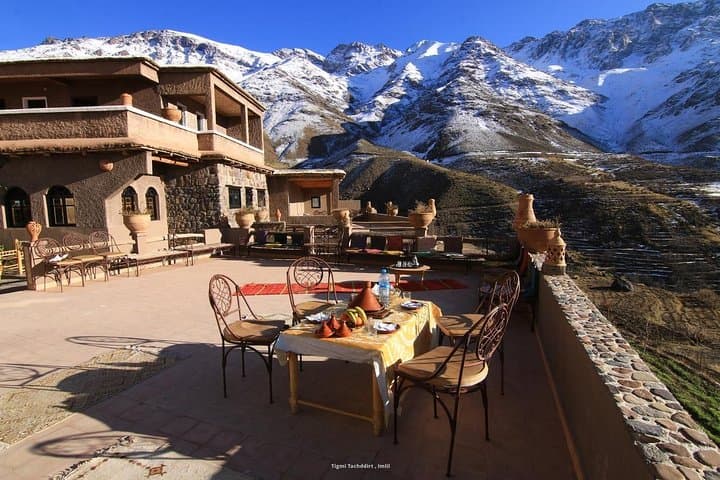
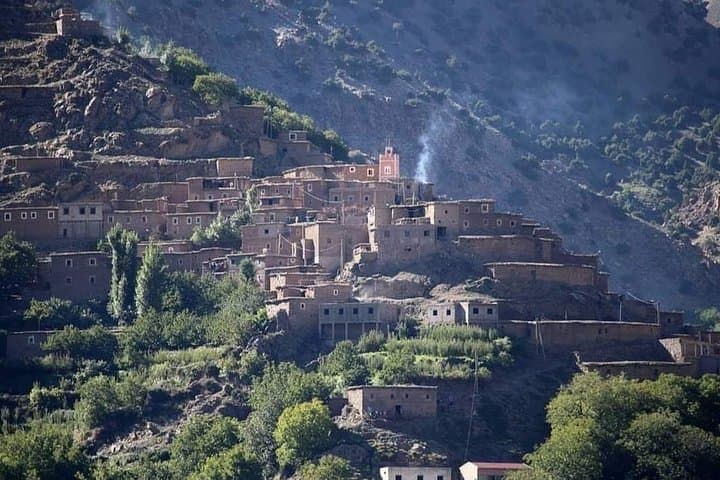
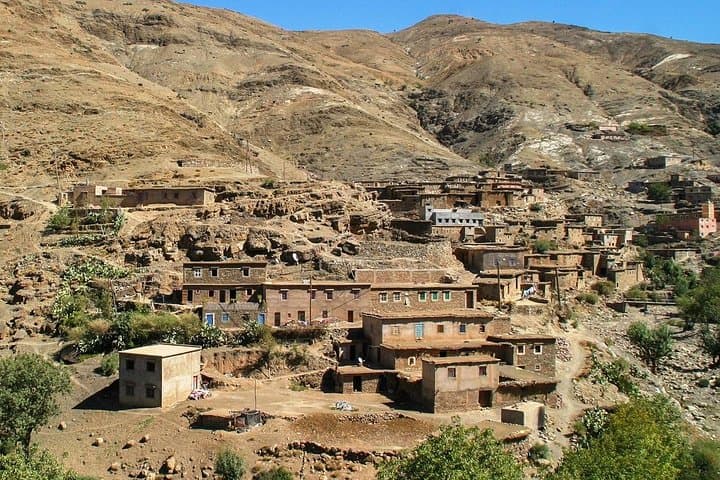
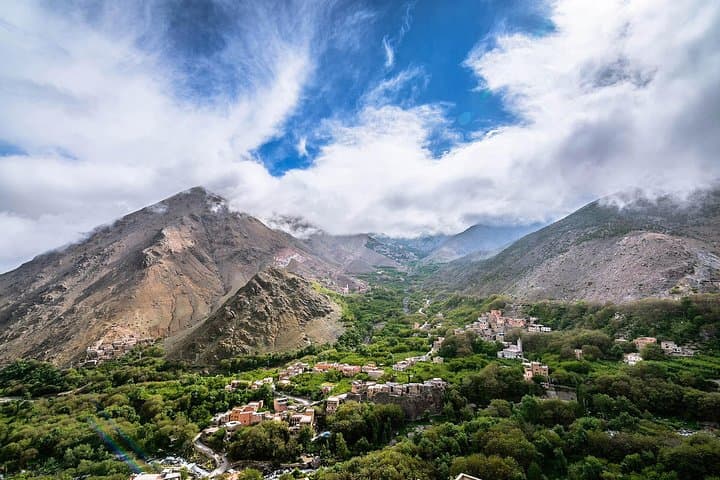
Morning light on the Atlas slices through walnut groves as you step off the minivan and onto a mule track that climbs toward the first village. The air has the dry, clean bite of altitude; stone houses lean into terraces and shepherd dogs test your pace.
Verified experiences and guided adventures in the surrounding area.
Operated by Smart Morocco Tours Excursions · Imlil, Marrakesh-Safi
Morning light on the Atlas slices through walnut groves as you step off the minivan and onto a mule track that climbs toward the first village. The air has the dry, clean bite of altitude; stone houses lean into terraces and shepherd dogs test your pace.
This six-day route threads traditional Berber settlements from Imioughlad to Imlil, crossing high passes like Tizi n'Oukaimden (about 2,682 m) and Tizi N'Tamatert (≈2,279 m). Geologically, you move from red volcanic foothills into older metamorphic rock and granite outcrops of the High Atlas, where juniper and walnut groves give way to open alpine bowls. Culturally, the trail follows paths used by muleteers for generations; village life centers on terraced farming, seasonal grazing and communal guesthouses where mint tea is a ritual.
Expect narrow, rocky tracks, steep ascents of 400–800 m on some days and downhill stretches that test knees as much as lungs. Daily walking ranges from 2½ to 7 hours on mixed terrain—packed dirt, scree and compacted mule paths—so plan for variable footing and sudden weather swings.
Practical guidance: break days into short-hour objectives, carry at least 2–3 L water, wear sturdy boots with ankle support and layer for sun-to-snow shifts. Guides and mule drivers handle luggage and lodging, but bring a small daypack with rain shell, snacks and a basic first-aid kit. Leave time in Marrakech before or after the trek to acclimate and to absorb the city's rhythms; the mountains will reward steady pacing and respectful curiosity.
moderate.
6 days.
Good general fitness with regular hiking or cardio; comfortable walking 4–8 hours a day and managing 400–800 m ascents.
Daily walks vary from 2½ to 7 hours on mixed terrain with some sustained climbs; moderate fitness and prior day-hiking experience are recommended.
Some sections reach above 2,500 m—mild altitude effects are possible; hydrate, pace yourself, and notify your guide of symptoms.
Comfortable local guesthouses and mountain lodges are used on the route; mule teams typically transport main luggage while you carry a daypack.
Yes—guided trips include local Atlas guides and mule drivers, which helps navigation, local insights and logistical support through villages.
The High Atlas has long been home to Berber (Amazigh) communities who maintained mule corridors and terraced agriculture; many villages still practice traditional crafts and seasonal grazing patterns.
Stick to established trails, avoid collecting plants or stones, and use local guides to support community-based tourism; water is scarce—carry and conserve what you need.
Smart Morocco Tours Excursions operates guided outdoor trips and adventures with an emphasis on safety, stewardship, and memorable experiences.
Morning light on the Atlas slices through walnut groves as you step off the minivan and onto a mule track that climbs toward the first village. The air has the dry, clean bite of altitude; stone houses lean into terraces and shepherd dogs test your pace.
Morning light on the Atlas slices through walnut groves as you step off the minivan and onto a mule track that climbs toward the first village. The air has the dry, clean bite of altitude; stone houses lean into terraces and shepherd dogs test your pace.
This six-day route threads traditional Berber settlements from Imioughlad to Imlil, crossing high passes like Tizi n'Oukaimden (about 2,682 m) and Tizi N'Tamatert (≈2,279 m). Geologically, you move from red volcanic foothills into older metamorphic rock and granite outcrops of the High Atlas, where juniper and walnut groves give way to open alpine bowls. Culturally, the trail follows paths used by muleteers for generations; village life centers on terraced farming, seasonal grazing and communal guesthouses where mint tea is a ritual.
Expect narrow, rocky tracks, steep ascents of 400–800 m on some days and downhill stretches that test knees as much as lungs. Daily walking ranges from 2½ to 7 hours on mixed terrain—packed dirt, scree and compacted mule paths—so plan for variable footing and sudden weather swings.
Practical guidance: break days into short-hour objectives, carry at least 2–3 L water, wear sturdy boots with ankle support and layer for sun-to-snow shifts. Guides and mule drivers handle luggage and lodging, but bring a small daypack with rain shell, snacks and a basic first-aid kit. Leave time in Marrakech before or after the trek to acclimate and to absorb the city's rhythms; the mountains will reward steady pacing and respectful curiosity.