THE ADVENTURE COLLECTIVE® · Independent discovery and booking for outdoor travel

Drive the famed Atlantic Road and step out for short coastal hikes and beach time along Norway’s dramatic Hustadvika coast. This half-day trip pairs easy walking with iconic bridge views and practical tips for wind, waves and photography.
Drive the famed Atlantic Road and step out for short coastal hikes and beach time along Norway’s dramatic Hustadvika coast. This half-day trip pairs easy walking with iconic bridge views and practical tips for wind, waves and photography.
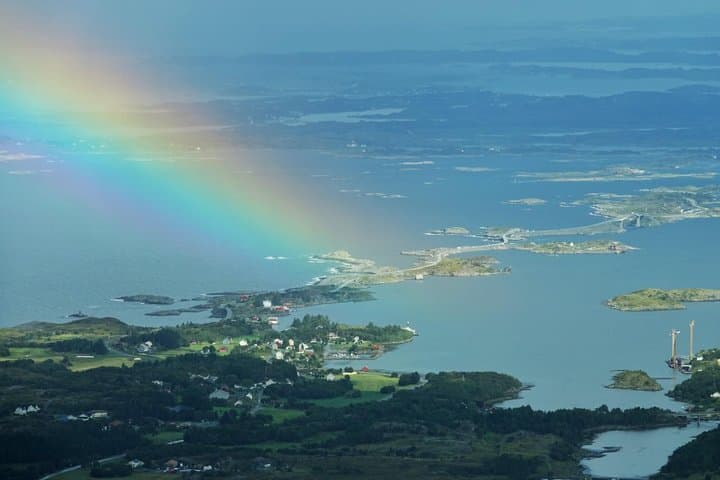
Salt spray threads the air as the car rounds a low bridge and the Atlantic opens before you — a strip of road that hops across skerries and small islets, pitching drivers into wind and wide light. For five to six hours this trip stitches together easy coastal hikes, a sheltered sandy bay and the famous Atlanterhavsveien bridges, where the road itself becomes the attraction.
Verified experiences and guided adventures in the surrounding area.
Operated by Yoga & Hiking with Pille Mitt · Averøy, Møre og Romsdal
Salt spray threads the air as the car rounds a low bridge and the Atlantic opens before you — a strip of road that hops across skerries and small islets, pitching drivers into wind and wide light. For five to six hours this trip stitches together easy coastal hikes, a sheltered sandy bay and the famous Atlanterhavsveien bridges, where the road itself becomes the attraction.
Built across a chain of islands and skerries and completed in 1989, the Atlantic Road was later named Norway’s “construction of the century” and remains a study in coastal engineering: eight bridges and several causeways totaling a few kilometers that cling to a rugged coastline carved by glacial movement and relentless waves. Local fishing culture still shapes villages nearby, and the exposed Hustadvika shelf has long tested mariners — the cliffs and reefs here are geological pages of uplifted bedrock and glacial polish.
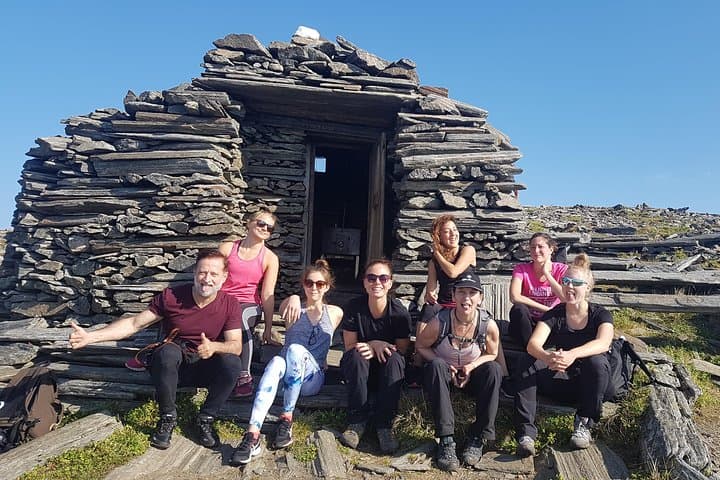
Expect short, punchy walks rather than long alpine hikes: trails climb to viewpoints like Sjurvarden (Stemshesten) with moderate elevation gain and sweeping sea vistas. Beaches are often pebbly or wind-scoured; swimming is possible in calm weather but currents can be strong.
Practical guidance: travel in windproof layers, leave at least four hours to stop, walk and photograph, and time visits for late afternoon light when the sun lowers into the Atlantic. Keep to marked paths to protect fragile coastal plants, and check weather — gusts and spray can make bridge sections dramatic but slippery. This is an accessible, sensory road-and-hike outing for anyone with steady footing and a taste for open, maritime landscapes.
moderate.
5–6 hours.
Suitable for people with a moderate fitness level who can handle short hikes with uneven rocky terrain and some elevation gain.
The main Atlanterhavsveien segment is about 8.3 km (5 miles) of coastal road with multiple stops for photos and short walks.
Hikes are short and non-technical but may include uneven rock and modest elevation gain; moderate fitness and steady footing are recommended.
Swimming is possible in calm weather, but currents can be unpredictable; always assess conditions and avoid entering the water if unsure.
The tour may be canceled in severe weather for safety; strong winds and heavy seas make bridge and cliffside stops hazardous.
The Atlantic Road was completed in 1989 and later celebrated as a major Norwegian engineering project connecting islands with bridges and causeways, reflecting local maritime and fishing heritage.
The coastal heath and cliff vegetation are fragile; stick to paths, pack out waste, and be mindful of nesting seabirds during spring and summer.
Yoga & Hiking with Pille Mitt operates guided outdoor trips and adventures with an emphasis on safety, stewardship, and memorable experiences.


Salt spray threads the air as the car rounds a low bridge and the Atlantic opens before you — a strip of road that hops across skerries and small islets, pitching drivers into wind and wide light. For five to six hours this trip stitches together easy coastal hikes, a sheltered sandy bay and the famous Atlanterhavsveien bridges, where the road itself becomes the attraction.
Salt spray threads the air as the car rounds a low bridge and the Atlantic opens before you — a strip of road that hops across skerries and small islets, pitching drivers into wind and wide light. For five to six hours this trip stitches together easy coastal hikes, a sheltered sandy bay and the famous Atlanterhavsveien bridges, where the road itself becomes the attraction.
Built across a chain of islands and skerries and completed in 1989, the Atlantic Road was later named Norway’s “construction of the century” and remains a study in coastal engineering: eight bridges and several causeways totaling a few kilometers that cling to a rugged coastline carved by glacial movement and relentless waves. Local fishing culture still shapes villages nearby, and the exposed Hustadvika shelf has long tested mariners — the cliffs and reefs here are geological pages of uplifted bedrock and glacial polish.
Expect short, punchy walks rather than long alpine hikes: trails climb to viewpoints like Sjurvarden (Stemshesten) with moderate elevation gain and sweeping sea vistas. Beaches are often pebbly or wind-scoured; swimming is possible in calm weather but currents can be strong.
Practical guidance: travel in windproof layers, leave at least four hours to stop, walk and photograph, and time visits for late afternoon light when the sun lowers into the Atlantic. Keep to marked paths to protect fragile coastal plants, and check weather — gusts and spray can make bridge sections dramatic but slippery. This is an accessible, sensory road-and-hike outing for anyone with steady footing and a taste for open, maritime landscapes.