THE ADVENTURE COLLECTIVE® · Independent discovery and booking for outdoor travel

A single‑day tour from Anuradhapura to Athugala (Elephant Rock) and the Silver Temple in Wayamba blends easy walks, 12th–14th century archaeology, and village craft. Ideal for travelers who want a compact cultural landscape with dramatic rock views.
A single‑day tour from Anuradhapura to Athugala (Elephant Rock) and the Silver Temple in Wayamba blends easy walks, 12th–14th century archaeology, and village craft. Ideal for travelers who want a compact cultural landscape with dramatic rock views.
You arrive at the base of Athugala (Elephant Rock) as the sun lifts off the paddy fields, the town of Kurunegala spread below like a map sketched in palms and red earth. The 88‑foot Buddha carved into the rock watches over traffic and coconut groves; wind and heat move through the same crevices people have used for centuries.
Verified experiences and guided adventures in the surrounding area.
Operated by Ceylon Travel Dream · Kurunegala, North Western Province
You arrive at the base of Athugala (Elephant Rock) as the sun lifts off the paddy fields, the town of Kurunegala spread below like a map sketched in palms and red earth. The 88‑foot Buddha carved into the rock watches over traffic and coconut groves; wind and heat move through the same crevices people have used for centuries.
This route threads together Wayamba’s layered history: shallow moats of medieval palace sites, 12th–14th century monastery ruins, and the Silver Village where local metalwork keeps old crafts alive. Geologically, the area is defined by large Precambrian granite outcrops—rounded tors that rise abruptly from flat agricultural land—offering abrupt viewpoints rather than long ridgelines. Culture here is rural and tactile; vendors selling king coconut and roadside rice cakes are as much part of the visit as the temple steps.
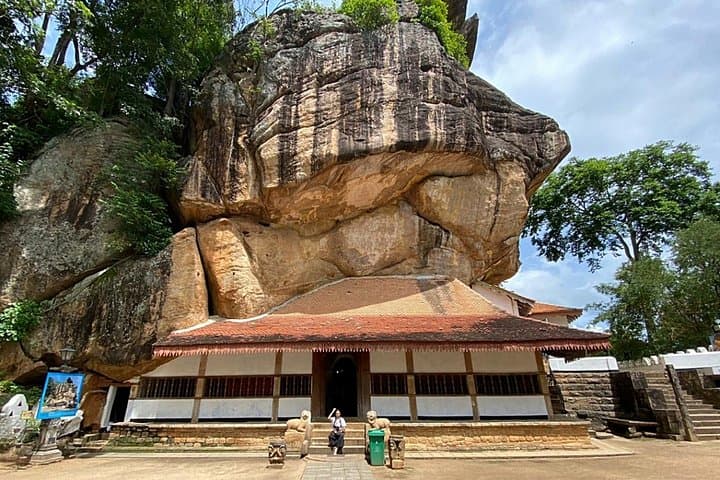
Expect easy walking with short flights of stone steps and some uneven paths. Your guide will move the group through Athugala, show the statue, then continue to the Ridigama Theravada temple, a compact site with origins in the 2nd century BCE. Photographs are straightforward but respectful dress and low voices are required inside sacred sites.
Practical notes: plan a full day (6–8 hours) if starting from Anuradhapura, carry sun protection, and be prepared for humid conditions. Transportation is typically by air‑conditioned vehicle; bottled water is normally provided. The trip is approachable for most fitness levels and offers a clear blend of landscape, history, and living village culture—small enough to feel like discovery, large enough to fill a day.
easy.
6–8 hours.
Suitable for most fitness levels; requires short climbs and standing during site visits
Typical duration is 6–8 hours from Anuradhapura, depending on pick‑up point and time spent at sites.
Yes—walking is short and not strenuous, but families should plan for heat and occasional steps.
The tour notes admission included for some sites; check booking details for specific entrance inclusions.
An English‑speaking guide is provided for the entire tour.
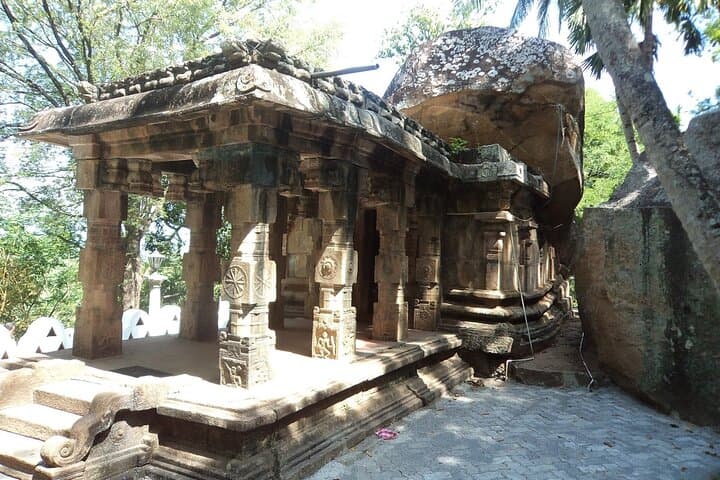
Kurunegala was an ancient royal capital; nearby ruins and moated palace remains date to the 12th–14th centuries and show the region's medieval prominence.
Visitors should stick to paths, avoid littering in village areas, and respect temple grounds to minimize cultural and environmental impact.
Ceylon Travel Dream operates guided outdoor trips and adventures with an emphasis on safety, stewardship, and memorable experiences.
You arrive at the base of Athugala (Elephant Rock) as the sun lifts off the paddy fields, the town of Kurunegala spread below like a map sketched in palms and red earth. The 88‑foot Buddha carved into the rock watches over traffic and coconut groves; wind and heat move through the same crevices people have used for centuries.
You arrive at the base of Athugala (Elephant Rock) as the sun lifts off the paddy fields, the town of Kurunegala spread below like a map sketched in palms and red earth. The 88‑foot Buddha carved into the rock watches over traffic and coconut groves; wind and heat move through the same crevices people have used for centuries.
This route threads together Wayamba’s layered history: shallow moats of medieval palace sites, 12th–14th century monastery ruins, and the Silver Village where local metalwork keeps old crafts alive. Geologically, the area is defined by large Precambrian granite outcrops—rounded tors that rise abruptly from flat agricultural land—offering abrupt viewpoints rather than long ridgelines. Culture here is rural and tactile; vendors selling king coconut and roadside rice cakes are as much part of the visit as the temple steps.
Expect easy walking with short flights of stone steps and some uneven paths. Your guide will move the group through Athugala, show the statue, then continue to the Ridigama Theravada temple, a compact site with origins in the 2nd century BCE. Photographs are straightforward but respectful dress and low voices are required inside sacred sites.
Practical notes: plan a full day (6–8 hours) if starting from Anuradhapura, carry sun protection, and be prepared for humid conditions. Transportation is typically by air‑conditioned vehicle; bottled water is normally provided. The trip is approachable for most fitness levels and offers a clear blend of landscape, history, and living village culture—small enough to feel like discovery, large enough to fill a day.