THE ADVENTURE COLLECTIVE® · Independent discovery and booking for outdoor travel

Drive from Athens to the plains of Marathon to stand at the burial tumulus of 490 B.C., browse local museums that trace the Marathon race’s origins, then return to Athens for an Acropolis climb—all in one private 8–9 hour day.
Drive from Athens to the plains of Marathon to stand at the burial tumulus of 490 B.C., browse local museums that trace the Marathon race’s origins, then return to Athens for an Acropolis climb—all in one private 8–9 hour day.
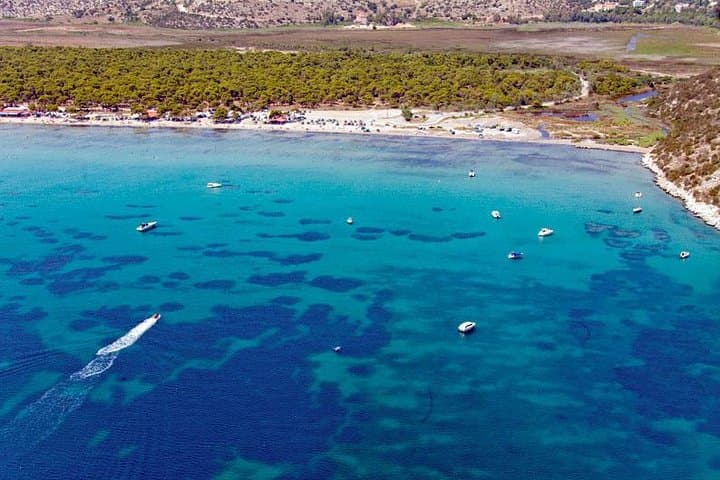
Morning light lifts off the Aegean as a luxury vehicle slips away from central Athens toward the low hills of Marathon—19 miles of olive groves, pine-scented roadside and a coastline that edges the memory of the ancient battlefield. The tour opens with the tumulus where Greek hoplites buried their dead after the 490 B.C. victory; the earth itself feels deliberate, each step a return to events that shaped Western warfare and civic identity.
Verified experiences and guided adventures in the surrounding area.
Operated by Private Best Travel · Marathon, Attica
Morning light lifts off the Aegean as a luxury vehicle slips away from central Athens toward the low hills of Marathon—19 miles of olive groves, pine-scented roadside and a coastline that edges the memory of the ancient battlefield. The tour opens with the tumulus where Greek hoplites buried their dead after the 490 B.C. victory; the earth itself feels deliberate, each step a return to events that shaped Western warfare and civic identity.
Nearby, the local archaeological museum arranges fragments of that past—war trophies, pottery and statuary excavated from the sanctuary complex—an intimate counterpoint to the formal narrative. The Marathon Run Museum follows, where medals, bibs and photographs trace the modern myth born from the long road between Marathon and Athens.
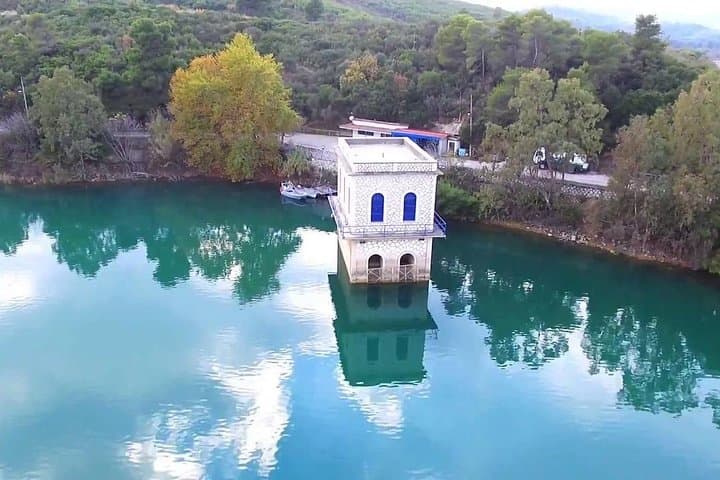
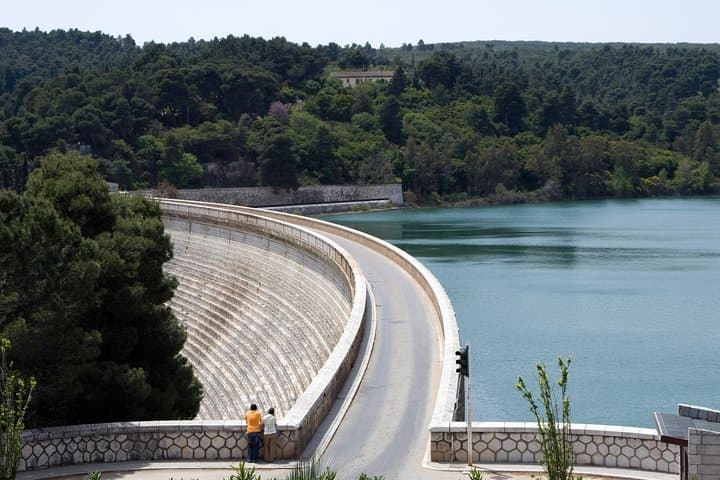
After a seaside lunch, the marble dam and reservoir of Marathon offer a quieter geology lesson: 1929 construction, compacted stone and engineered spillways that once held Athens’ water. The route closes with a climb up the Acropolis, where Parthenon columns and the Caryatids frame a wide cityscape spilling toward the Saronic Gulf.
Practicalities: this private, mostly vehicle-based day lasts 8–9 hours and requires moderate walking on uneven surfaces and steps at archaeological sites. Entrance fees are typically not included and the English-speaking driver cannot enter museums per local law, so plan for staggered visits or an accredited guide for museum interiors. Bring sturdy shoes, sun protection and a refillable bottle; expect crowding at the Acropolis midday and quieter moments at the Marathon dam. The pace is adjustable—longer at one site, shorter at another—making this an accessible blend of history, coastal scenery and urban antiquity.
easy.
8–9 hours.
Light to moderate—suitable for travelers comfortable with several short walks and stairs
No; the itinerary lists admissions as not included—plan to buy individual tickets or ask the operator to pre-purchase them.
By Greek law the English-speaking driver cannot enter museums as an official guide; hire a licensed guide for interior access and archaeological interpretation.
Transport is wheelchair accessible, but some archaeological sites and the Acropolis have limited step-free access—check specific needs with the operator before booking.
Lunch is not explicitly included; the schedule provides a lunch break in Marathon where you can choose a local taverna.
The Battle of Marathon (490 B.C.) halted the first Persian invasion of Greece and lent its name to the modern long-distance race that commemorates the run to Athens.
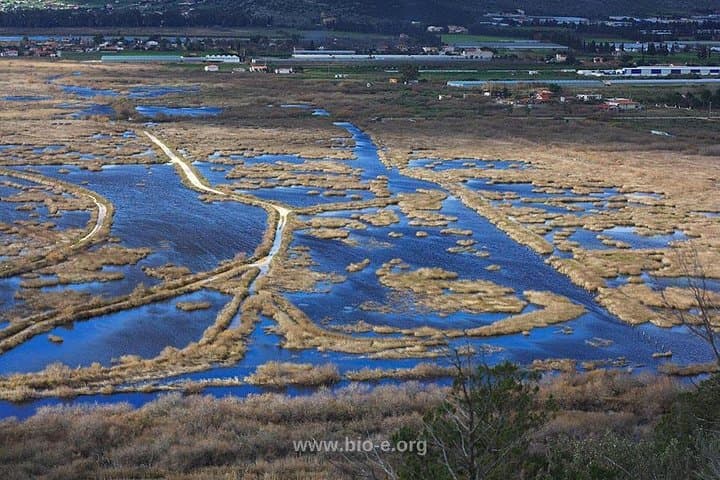
The Marathon wetlands are sensitive habitat; stay on paths, avoid disturbing nesting birds and support local museums and cafes that invest in preservation.
Private Best Travel operates guided outdoor trips and adventures with an emphasis on safety, stewardship, and memorable experiences.
Morning light lifts off the Aegean as a luxury vehicle slips away from central Athens toward the low hills of Marathon—19 miles of olive groves, pine-scented roadside and a coastline that edges the memory of the ancient battlefield. The tour opens with the tumulus where Greek hoplites buried their dead after the 490 B.C. victory; the earth itself feels deliberate, each step a return to events that shaped Western warfare and civic identity.
Morning light lifts off the Aegean as a luxury vehicle slips away from central Athens toward the low hills of Marathon—19 miles of olive groves, pine-scented roadside and a coastline that edges the memory of the ancient battlefield. The tour opens with the tumulus where Greek hoplites buried their dead after the 490 B.C. victory; the earth itself feels deliberate, each step a return to events that shaped Western warfare and civic identity.
Nearby, the local archaeological museum arranges fragments of that past—war trophies, pottery and statuary excavated from the sanctuary complex—an intimate counterpoint to the formal narrative. The Marathon Run Museum follows, where medals, bibs and photographs trace the modern myth born from the long road between Marathon and Athens.
After a seaside lunch, the marble dam and reservoir of Marathon offer a quieter geology lesson: 1929 construction, compacted stone and engineered spillways that once held Athens’ water. The route closes with a climb up the Acropolis, where Parthenon columns and the Caryatids frame a wide cityscape spilling toward the Saronic Gulf.
Practicalities: this private, mostly vehicle-based day lasts 8–9 hours and requires moderate walking on uneven surfaces and steps at archaeological sites. Entrance fees are typically not included and the English-speaking driver cannot enter museums per local law, so plan for staggered visits or an accredited guide for museum interiors. Bring sturdy shoes, sun protection and a refillable bottle; expect crowding at the Acropolis midday and quieter moments at the Marathon dam. The pace is adjustable—longer at one site, shorter at another—making this an accessible blend of history, coastal scenery and urban antiquity.