THE ADVENTURE COLLECTIVE® · Independent discovery and booking for outdoor travel

Turn a weekday into an island escape: a same-day round-trip ferry from Athens puts Hydra’s car-free harbor, neoclassical houses, and coastal paths within easy reach. Plan a morning sail and an evening return to spend up to eight hours exploring seaside cafés, narrow lanes, and hilltop views.
Turn a weekday into an island escape: a same-day round-trip ferry from Athens puts Hydra’s car-free harbor, neoclassical houses, and coastal paths within easy reach. Plan a morning sail and an evening return to spend up to eight hours exploring seaside cafés, narrow lanes, and hilltop views.
Morning light slants across the Aegean as the ferry slips from Piraeus—white wake breaking, gulls daring you to look up from the harbor's bustle. By the time the island appears, a cluster of stone mansions and a small crescent of harbor have already pulled the pace from the city out of your shoulders.
Verified experiences and guided adventures in the surrounding area.
Operated by Ferryhopper · Piraeus, Attica
Morning light slants across the Aegean as the ferry slips from Piraeus—white wake breaking, gulls daring you to look up from the harbor's bustle. By the time the island appears, a cluster of stone mansions and a small crescent of harbor have already pulled the pace from the city out of your shoulders.
Hydra's naval wealth from the 18th and 19th centuries sculpted the town: neoclassical captain's houses line the waterfront, their stone foundations welded to the island's volcanic and schist geology. With no cars allowed, movement here is human-powered—boots, donkeys, and the occasional cart—so the cultural rhythm feels older and pleasantly deliberate. Local cafés, tucked into narrow alleys, serve coffee and octopus grilled on charcoal; boat captains and artists share the same benches.
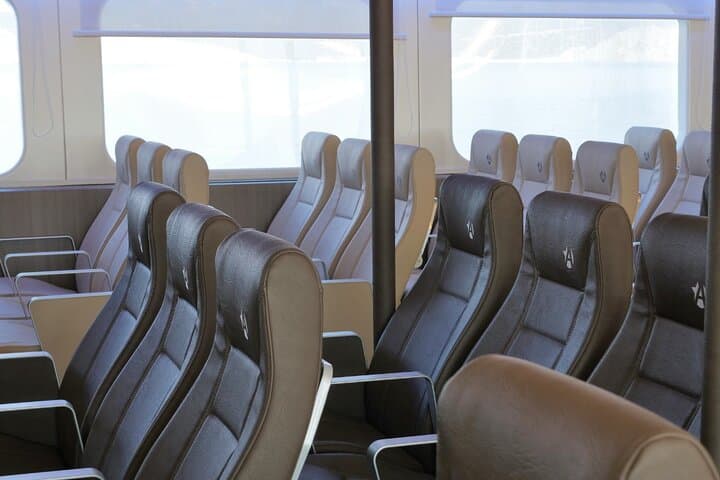
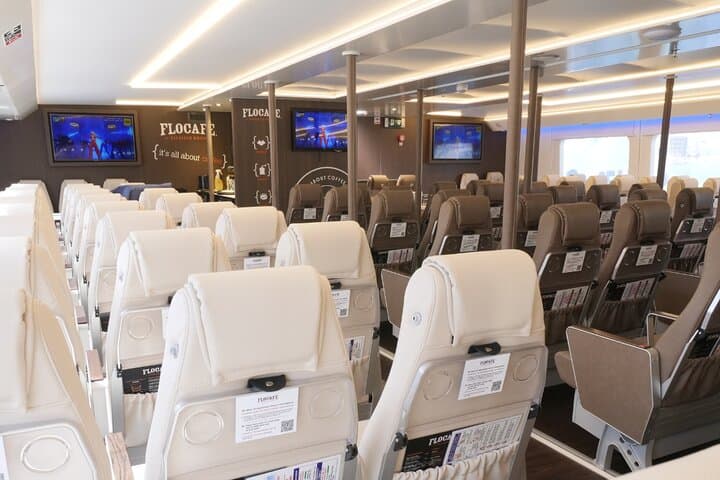
Practical travel sense replaces romance: book a morning departure and aim for an evening return to make the most of roughly eight hours ashore. Arrive at Piraeus 45 minutes before departure, keep your e-ticket ready on your phone, and wear shoes suited to cobbled lanes and steep stair runs. Hydration and sun protection matter—there's little shade on coastal paths, and summer glare is intense. If you’re prone to seasickness, travel medication is a sensible precaution; the ferries are modern and stable but open decks can be blustery.
Use the day to walk the harbor, climb to the small chapels for coastal panoramas, and pay attention to mooring rules—anchoring can damage Posidonia beds. With quick planning, a same-day ferry becomes an efficient, restorative island escape that swaps Athens' noise for sea-breeze clarity.
easy.
Approx. 11 hours (round-trip; includes ~8 hours on Hydra).
Suitable for most visitors; be prepared for walking on uneven cobbles and stair climbs
Fast ferries typically take about 1.5–2 hours one-way depending on the vessel and sea conditions.
Luggage is allowed; crew will advise where to stow bags—larger suitcases are usually kept in designated areas.
Hydra's port area and some main streets are accessible, but the island's steep lanes and steps limit full wheelchair access inland.
Schedules vary by season—ferries run daily in peak season, but winter timetables are reduced; confirm times when booking.
Hydra was a powerful maritime center in the 18th–19th centuries; shipowners financed national fleets and left the island with grand stone captain’s houses.
Hydra’s car-free policy reduces local pollution, but anchoring and marine traffic threaten Posidonia seagrass—use marked moorings and avoid littering.
Ferryhopper operates guided outdoor trips and adventures with an emphasis on safety, stewardship, and memorable experiences.
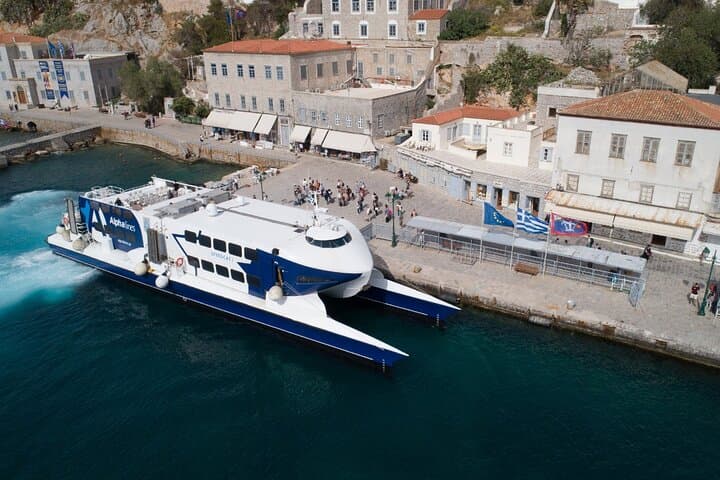
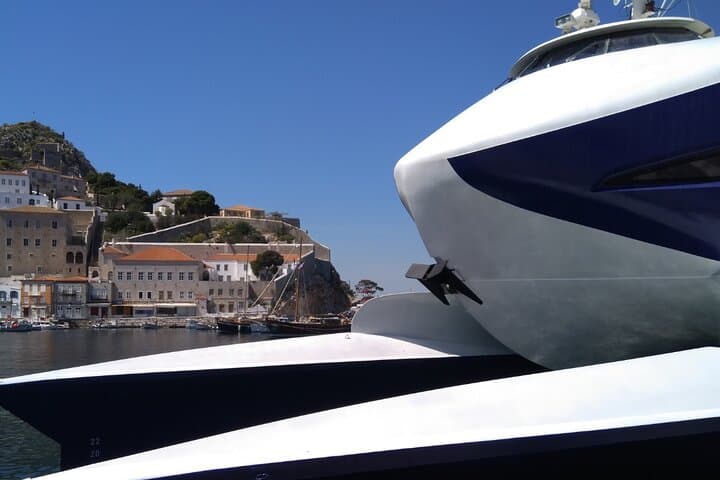
Morning light slants across the Aegean as the ferry slips from Piraeus—white wake breaking, gulls daring you to look up from the harbor's bustle. By the time the island appears, a cluster of stone mansions and a small crescent of harbor have already pulled the pace from the city out of your shoulders.
Morning light slants across the Aegean as the ferry slips from Piraeus—white wake breaking, gulls daring you to look up from the harbor's bustle. By the time the island appears, a cluster of stone mansions and a small crescent of harbor have already pulled the pace from the city out of your shoulders.
Hydra's naval wealth from the 18th and 19th centuries sculpted the town: neoclassical captain's houses line the waterfront, their stone foundations welded to the island's volcanic and schist geology. With no cars allowed, movement here is human-powered—boots, donkeys, and the occasional cart—so the cultural rhythm feels older and pleasantly deliberate. Local cafés, tucked into narrow alleys, serve coffee and octopus grilled on charcoal; boat captains and artists share the same benches.
Practical travel sense replaces romance: book a morning departure and aim for an evening return to make the most of roughly eight hours ashore. Arrive at Piraeus 45 minutes before departure, keep your e-ticket ready on your phone, and wear shoes suited to cobbled lanes and steep stair runs. Hydration and sun protection matter—there's little shade on coastal paths, and summer glare is intense. If you’re prone to seasickness, travel medication is a sensible precaution; the ferries are modern and stable but open decks can be blustery.
Use the day to walk the harbor, climb to the small chapels for coastal panoramas, and pay attention to mooring rules—anchoring can damage Posidonia beds. With quick planning, a same-day ferry becomes an efficient, restorative island escape that swaps Athens' noise for sea-breeze clarity.