THE ADVENTURE COLLECTIVE® · Independent discovery and booking for outdoor travel

Cross the Saronic Gulf in under an hour aboard a fast hydrofoil from Piraeus to Agistri. This short, scenic ferry connects city convenience with island calm—perfect for day-trippers and flexible itineraries.
Cross the Saronic Gulf in under an hour aboard a fast hydrofoil from Piraeus to Agistri. This short, scenic ferry connects city convenience with island calm—perfect for day-trippers and flexible itineraries.
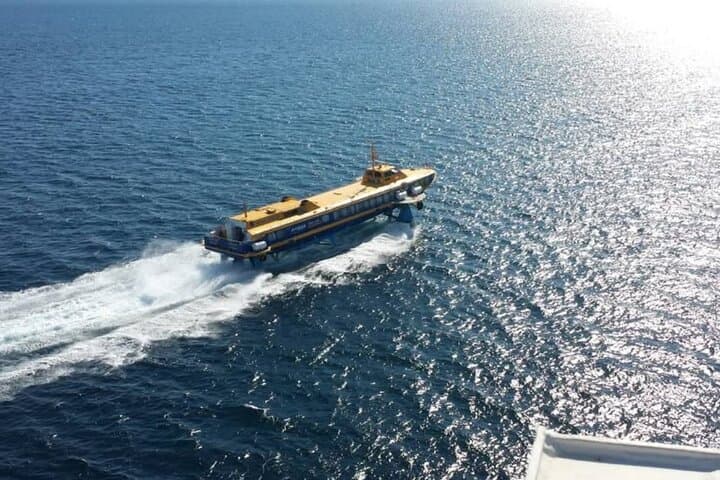
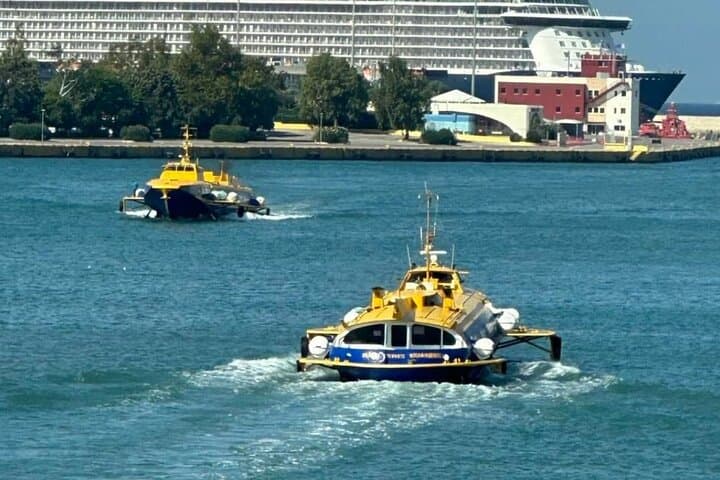
The ferry eases out of Piraeus as the city line recedes and the Aegean takes over—wind coming off the Saronic Gulf, sunlight skipping across low swells, the hydrofoil lifting with a soft mechanical sigh. On a clear day the skyline of Athens dims and the pine-covered ridge of Agistri grows larger, a green thumbprint against bright sea.
Verified experiences and guided adventures in the surrounding area.
Operated by Ferryhopper · Piraeus, Attica
The ferry eases out of Piraeus as the city line recedes and the Aegean takes over—wind coming off the Saronic Gulf, sunlight skipping across low swells, the hydrofoil lifting with a soft mechanical sigh. On a clear day the skyline of Athens dims and the pine-covered ridge of Agistri grows larger, a green thumbprint against bright sea.
Piraeus has been the gateway to these islands since Antiquity; the harbour once outfitted triremes for Athenian fleets. Geologically the Saronic Gulf sits in a shallow basin carved by tectonic activity and shaped by long coastal erosion, which created the small, sheltered bays and pebble beaches that define Agistri today. Culturally the island keeps a slow rhythm—fishing boats, family-run tavernas, and short shoreline trails linking quiet coves.
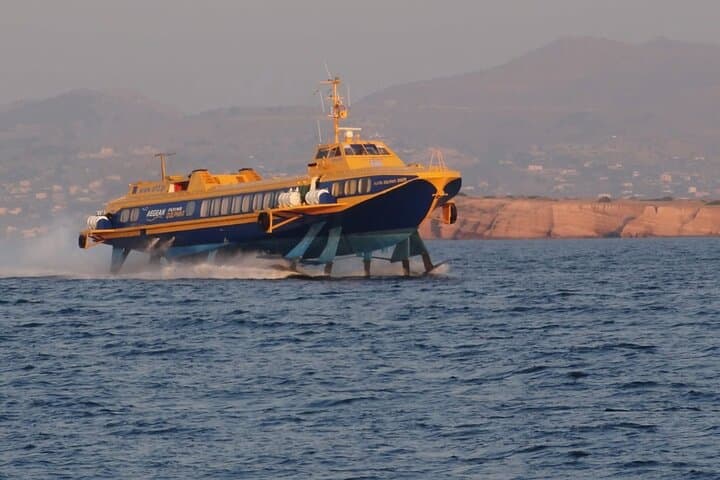
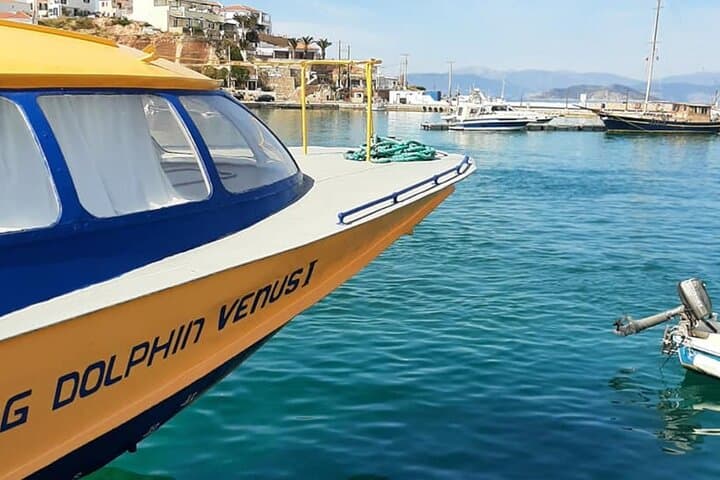
Practicalities matter: the trip takes about 55 minutes on Aegean Flying Dolphins hydrofoils and runs multiple times daily in summer. Boarding is straightforward with an e‑ticket; arrive roughly 30 minutes early at Piraeus. Expect indoor seating with air-conditioning, an onboard bar, and luggage allowance up to 20 kg. Seas can be choppy—those prone to motion sickness should plan accordingly.
Skala port on Agistri drops passengers within short walking distance of cafes, rentals, and beaches. For day-trippers, pick an early sailing out and an evening return to maximize daylight. Accessibility and stroller access are commonly available, but check vessel specifics if you have mobility needs. Travel light, protect against sun and spray, and let the sea push your itinerary toward a small, vividly blue escape.
easy.
45–65 minutes.
Minimal fitness required; ability to step on/off a gangway and walk short distances at ports.
Typical hydrofoil crossings between Piraeus and Skala (Agistri) take about 55 minutes.
Yes—mobile or printed e‑tickets are accepted; present it at boarding as instructed in your confirmation email.
Many vessels and Piraeus facilities offer accessibility, but check the specific sailing and notify the operator of special requirements in advance.
One piece up to 20 kg per passenger is usually permitted; larger or excess baggage may be restricted or incur fees.
Piraeus has served as Athens’ principal port since classical times; the short ferry link to Agistri follows maritime routes used for centuries by traders and fishermen.
The Saronic Gulf supports important seagrass beds and marine life—avoid littering, use reef‑safe sunscreen, and respect local marine habitats.
Ferryhopper operates guided outdoor trips and adventures with an emphasis on safety, stewardship, and memorable experiences.
The ferry eases out of Piraeus as the city line recedes and the Aegean takes over—wind coming off the Saronic Gulf, sunlight skipping across low swells, the hydrofoil lifting with a soft mechanical sigh. On a clear day the skyline of Athens dims and the pine-covered ridge of Agistri grows larger, a green thumbprint against bright sea.
The ferry eases out of Piraeus as the city line recedes and the Aegean takes over—wind coming off the Saronic Gulf, sunlight skipping across low swells, the hydrofoil lifting with a soft mechanical sigh. On a clear day the skyline of Athens dims and the pine-covered ridge of Agistri grows larger, a green thumbprint against bright sea.
Piraeus has been the gateway to these islands since Antiquity; the harbour once outfitted triremes for Athenian fleets. Geologically the Saronic Gulf sits in a shallow basin carved by tectonic activity and shaped by long coastal erosion, which created the small, sheltered bays and pebble beaches that define Agistri today. Culturally the island keeps a slow rhythm—fishing boats, family-run tavernas, and short shoreline trails linking quiet coves.
Practicalities matter: the trip takes about 55 minutes on Aegean Flying Dolphins hydrofoils and runs multiple times daily in summer. Boarding is straightforward with an e‑ticket; arrive roughly 30 minutes early at Piraeus. Expect indoor seating with air-conditioning, an onboard bar, and luggage allowance up to 20 kg. Seas can be choppy—those prone to motion sickness should plan accordingly.
Skala port on Agistri drops passengers within short walking distance of cafes, rentals, and beaches. For day-trippers, pick an early sailing out and an evening return to maximize daylight. Accessibility and stroller access are commonly available, but check vessel specifics if you have mobility needs. Travel light, protect against sun and spray, and let the sea push your itinerary toward a small, vividly blue escape.