THE ADVENTURE COLLECTIVE® · Independent discovery and booking for outdoor travel

Take a guided sunset ascent of Mount Hymettus for direct views of the Acropolis, a close encounter with pine-clad slopes, and on-trail visits to Byzantine ruins. Ideal for walkers of all levels, this 2.5-hour outing pairs local history with a swift, rewarding climb.
Take a guided sunset ascent of Mount Hymettus for direct views of the Acropolis, a close encounter with pine-clad slopes, and on-trail visits to Byzantine ruins. Ideal for walkers of all levels, this 2.5-hour outing pairs local history with a swift, rewarding climb.
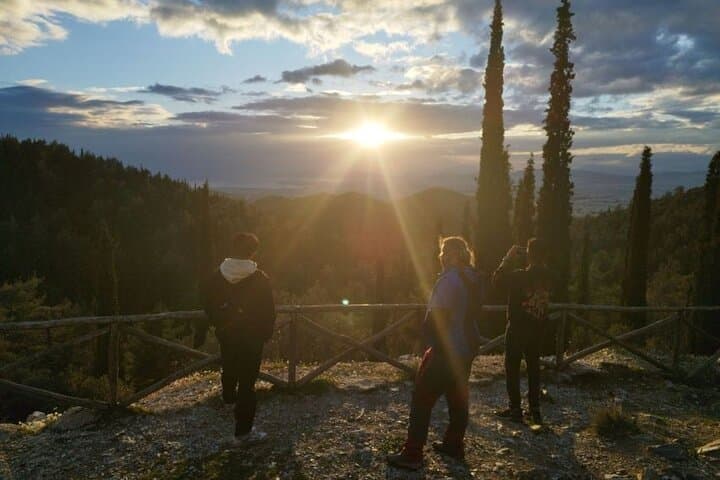
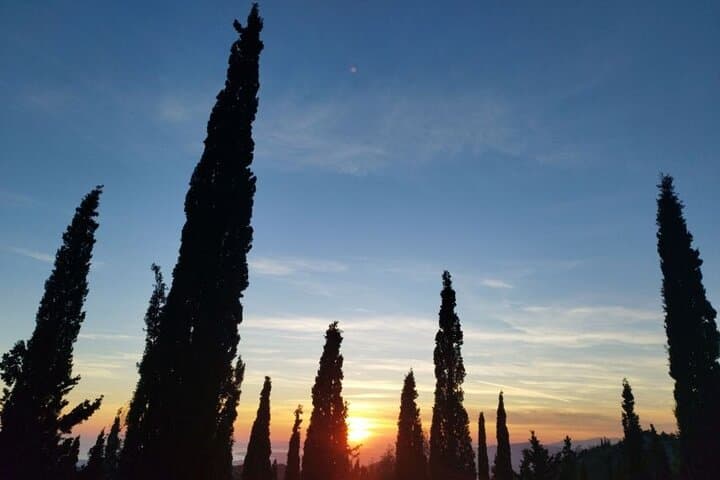
As the sun angles low over Athens, the city’s terraces and the Acropolis begin to glow; above them, Mount Hymettus draws a steady line of people along a shaded ridge. The trail climbs through pine stands that smell of resin and dust, the slope opening at viewpoints where the marble outline of the Acropolis sits like a stage across the valley. The guide paces the group, pausing to point out a remote ruin as the light thins.
Verified experiences and guided adventures in the surrounding area.
Operated by Nomads Path · Athens, Attica
As the sun angles low over Athens, the city’s terraces and the Acropolis begin to glow; above them, Mount Hymettus draws a steady line of people along a shaded ridge. The trail climbs through pine stands that smell of resin and dust, the slope opening at viewpoints where the marble outline of the Acropolis sits like a stage across the valley. The guide paces the group, pausing to point out a remote ruin as the light thins.
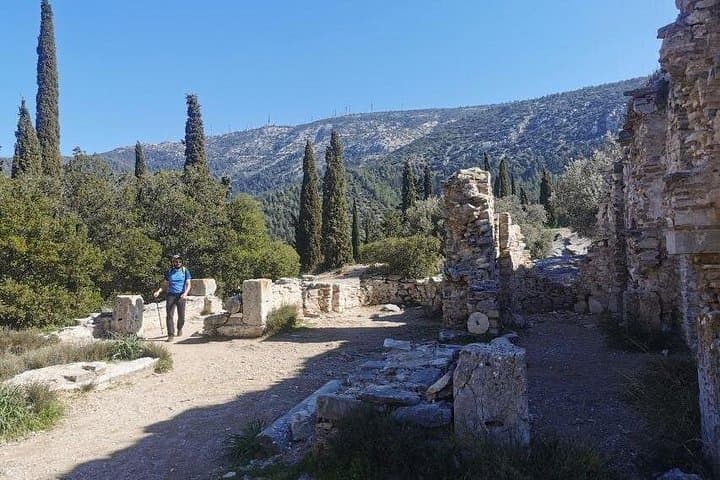
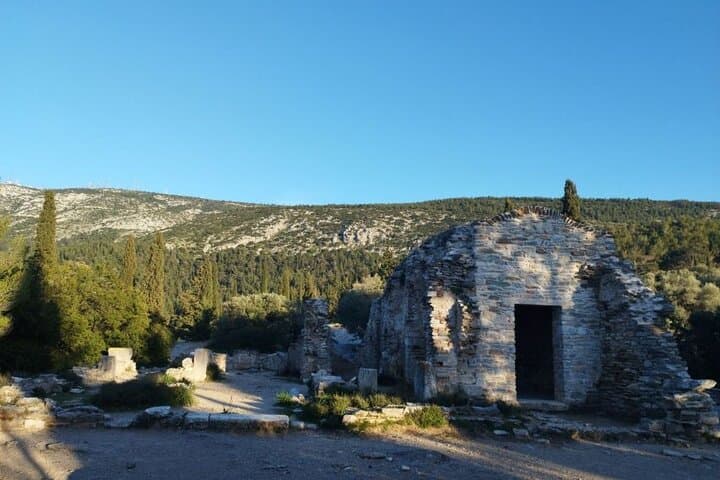
Hymettus is an ancient, largely limestone massif on Athens’ eastern flank — a working landscape shaped by quarrying, Byzantine hermitages and monasteries. On this route you’ll pass the remains of a 10th-century church built over earlier Christian foundations; underfoot the soil alternates between packed dirt and rocky scrambles while low maquis shrubs brush your lower legs. Wildlife is subtle here: chough calls and the rustle of lizards are more likely than large mammals.
Practically, expect a 2.0–3.5 mile (4–6 km) out-and-back with roughly 300–450 m of ascent on uneven singletrack and gravel service roads. The timing is planned so daylight gives way to twilight — bring a headlamp for the descent, 1.5 L of water, and closed-toe hiking shoes for traction. The pace is beginner-friendly but steady; use layers for the rapid temperature drop after sunset. Public transport or arranged pickup drops you near the trailhead; the guide will share local stories and basic natural-history context to make the short climb feel full and guided rather than rushed.
easy.
2–2.5 hours.
Suitable for most active walkers; basic aerobic fitness and comfortable on uneven terrain for up to 2–3 hours.
The route is considered easy and suitable for most fitness levels; the guide sets a steady pace with frequent stops and minimal technical sections.
Options often include meeting at a central Athens location or arranged hotel pickup—confirm at booking and allow time for transfer to the trailhead.
Tours typically cancel in heavy rain or high winds for safety; check the operator’s 24-hour cancellation policy for refunds or rescheduling.
The listing allows service animals and is family-friendly, but check with the operator about young children on steep sections and any age limits.
Hymettus has been used since antiquity for its quarries and hermitages; Byzantine and early Christian ruins dot the slopes and speak to continuous local use.
Stay on marked trails to protect fragile maquis and prevent erosion; carry out all waste and respect signposted restoration areas.
Nomads Path operates guided outdoor trips and adventures with an emphasis on safety, stewardship, and memorable experiences.
As the sun angles low over Athens, the city’s terraces and the Acropolis begin to glow; above them, Mount Hymettus draws a steady line of people along a shaded ridge. The trail climbs through pine stands that smell of resin and dust, the slope opening at viewpoints where the marble outline of the Acropolis sits like a stage across the valley. The guide paces the group, pausing to point out a remote ruin as the light thins.
As the sun angles low over Athens, the city’s terraces and the Acropolis begin to glow; above them, Mount Hymettus draws a steady line of people along a shaded ridge. The trail climbs through pine stands that smell of resin and dust, the slope opening at viewpoints where the marble outline of the Acropolis sits like a stage across the valley. The guide paces the group, pausing to point out a remote ruin as the light thins.
Hymettus is an ancient, largely limestone massif on Athens’ eastern flank — a working landscape shaped by quarrying, Byzantine hermitages and monasteries. On this route you’ll pass the remains of a 10th-century church built over earlier Christian foundations; underfoot the soil alternates between packed dirt and rocky scrambles while low maquis shrubs brush your lower legs. Wildlife is subtle here: chough calls and the rustle of lizards are more likely than large mammals.
Practically, expect a 2.0–3.5 mile (4–6 km) out-and-back with roughly 300–450 m of ascent on uneven singletrack and gravel service roads. The timing is planned so daylight gives way to twilight — bring a headlamp for the descent, 1.5 L of water, and closed-toe hiking shoes for traction. The pace is beginner-friendly but steady; use layers for the rapid temperature drop after sunset. Public transport or arranged pickup drops you near the trailhead; the guide will share local stories and basic natural-history context to make the short climb feel full and guided rather than rushed.