THE ADVENTURE COLLECTIVE® · Independent discovery and booking for outdoor travel

A family-focused, three-hour small-group walk through the Acropolis and Hill of Pnyx that turns Greek gods and civic history into interactive moments. Ideal for kids 5–11, the route mixes short activities with classic sites like the Parthenon and Theater of Dionysus.
A family-focused, three-hour small-group walk through the Acropolis and Hill of Pnyx that turns Greek gods and civic history into interactive moments. Ideal for kids 5–11, the route mixes short activities with classic sites like the Parthenon and Theater of Dionysus.
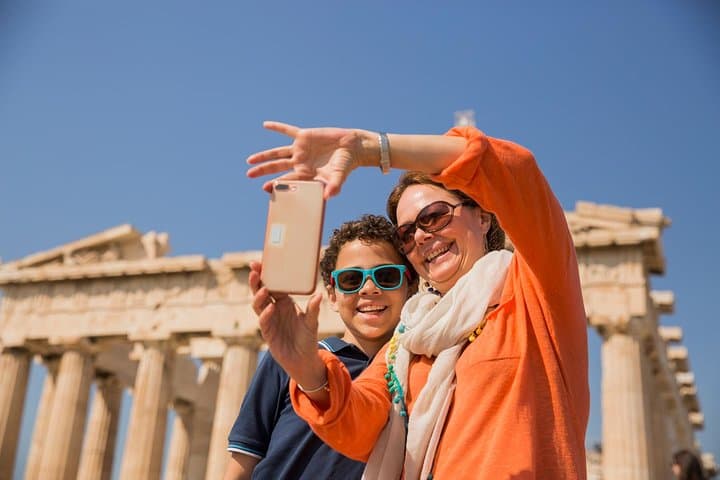
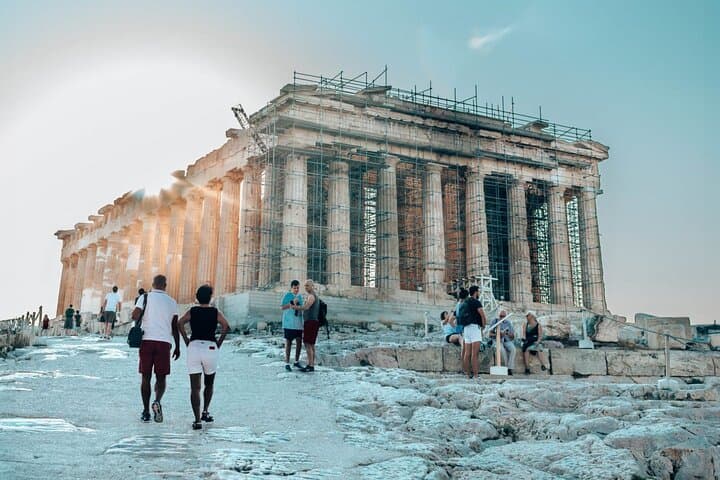
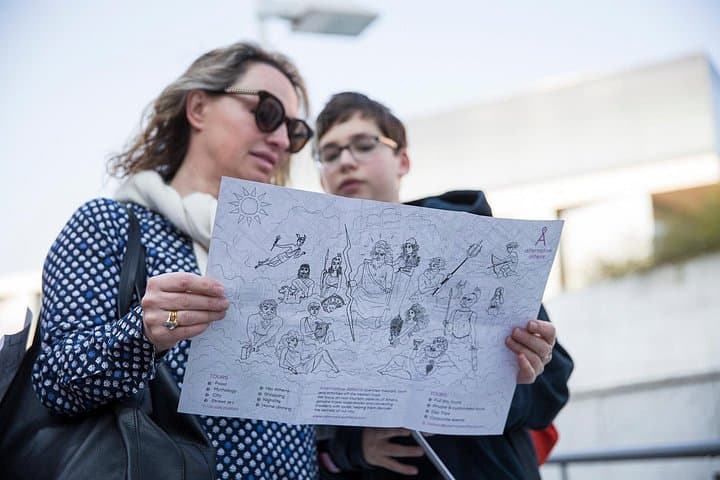
You step out from a narrow Athenian alley and the city opens: marble columns catching the low sun, the Aegean breeze tugging at loose maps, and a guide who quickly turns names and ruins into characters alive. This three-hour small-group tour threads the Acropolis and the Hill of Pnyx with short, family-friendly activities that place myths and civic history side by side.
Verified experiences and guided adventures in the surrounding area.
Operated by Alternative Athens · Athens, Attica
You step out from a narrow Athenian alley and the city opens: marble columns catching the low sun, the Aegean breeze tugging at loose maps, and a guide who quickly turns names and ruins into characters alive. This three-hour small-group tour threads the Acropolis and the Hill of Pnyx with short, family-friendly activities that place myths and civic history side by side.
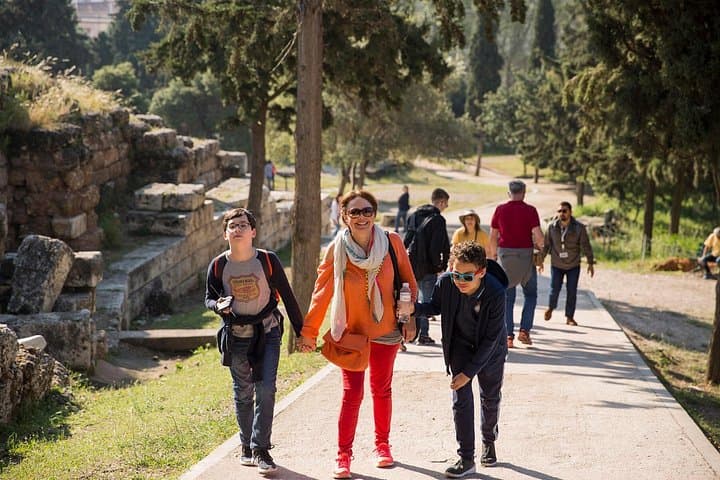
The route moves through classical marble and Roman-era repairs—Parthenon blocks that once rang with bronze and later bore Ottoman graffiti—while the Hill of Pnyx recalls citizens’ assemblies where Athenian democracy took shape. Geology here is simple but revealing: Pentelic marble, quarried from nearby Mount Pentelicus, gives the hilltop its pale glow; the terrain is compacted paths and shallow steps rather than steep hiking.
Culturally, the walk balances story and structure: Theater of Dionysus frames the origin of drama; the Erechtheion preserves cult spaces for Athena and Poseidon. Guides use artifacts of myth to engage children with short games and role-play rather than long lectures.
Practical guidance: wear sturdy walking shoes and sun protection—Acropolis climbs include uneven stone and exposed sections with limited shade. Hydrate before and during the walk; small groups mean questions are welcome, and the guide can arrange pre-purchased entry tickets to skip lines if requested. Expect stroller accessibility to be limited once inside fenced archaeological zones, and keep bags minimal—large backpacks are not allowed at the Acropolis. Timing mid-morning or late afternoon reduces heat and light glare and gives better photo contrast. For families, this blend of storytelling, history, and manageable walking makes complex antiquity tangible and surprisingly active.
easy.
3 hours.
Suitable for most fitness levels; involves short uphill sections and standing while the guide speaks
Admission is not included by default; the operator can pre-purchase Acropolis tickets on request—note entry fees are non-refundable.
Yes—this family tour is geared toward children about 5–11 years old with interactive activities and a pace adjusted for families.
Infants and small children can use a pram or stroller up to archaeological checkpoints, but strollers and large bags are not allowed inside the Acropolis itself.
Meeting points are typically central and served by public transport; the listing notes nearby public transit options—confirm exact meeting place on booking.
The Acropolis plateau and adjacent Pnyx were central to Athens’ golden age; Pnyx hosted citizen assemblies that helped form early democratic practice while the Acropolis was the city’s sacred and political heart.
Visitor limits, bag restrictions and on-site signage protect fragile marble and archaeological layers; follow marked paths and avoid touching carved stone to reduce wear.
Alternative Athens operates guided outdoor trips and adventures with an emphasis on safety, stewardship, and memorable experiences.
You step out from a narrow Athenian alley and the city opens: marble columns catching the low sun, the Aegean breeze tugging at loose maps, and a guide who quickly turns names and ruins into characters alive. This three-hour small-group tour threads the Acropolis and the Hill of Pnyx with short, family-friendly activities that place myths and civic history side by side.
You step out from a narrow Athenian alley and the city opens: marble columns catching the low sun, the Aegean breeze tugging at loose maps, and a guide who quickly turns names and ruins into characters alive. This three-hour small-group tour threads the Acropolis and the Hill of Pnyx with short, family-friendly activities that place myths and civic history side by side.
The route moves through classical marble and Roman-era repairs—Parthenon blocks that once rang with bronze and later bore Ottoman graffiti—while the Hill of Pnyx recalls citizens’ assemblies where Athenian democracy took shape. Geology here is simple but revealing: Pentelic marble, quarried from nearby Mount Pentelicus, gives the hilltop its pale glow; the terrain is compacted paths and shallow steps rather than steep hiking.
Culturally, the walk balances story and structure: Theater of Dionysus frames the origin of drama; the Erechtheion preserves cult spaces for Athena and Poseidon. Guides use artifacts of myth to engage children with short games and role-play rather than long lectures.
Practical guidance: wear sturdy walking shoes and sun protection—Acropolis climbs include uneven stone and exposed sections with limited shade. Hydrate before and during the walk; small groups mean questions are welcome, and the guide can arrange pre-purchased entry tickets to skip lines if requested. Expect stroller accessibility to be limited once inside fenced archaeological zones, and keep bags minimal—large backpacks are not allowed at the Acropolis. Timing mid-morning or late afternoon reduces heat and light glare and gives better photo contrast. For families, this blend of storytelling, history, and manageable walking makes complex antiquity tangible and surprisingly active.