THE ADVENTURE COLLECTIVE® · Independent discovery and booking for outdoor travel

Spend five days moving from Athens’ monumental Acropolis to the sea-sculpted capes and Saronic islands. Historic sites, a classic island cruise and hands-on food discoveries make this a compact, varied introduction to Attica and the Aegean.
Spend five days moving from Athens’ monumental Acropolis to the sea-sculpted capes and Saronic islands. Historic sites, a classic island cruise and hands-on food discoveries make this a compact, varied introduction to Attica and the Aegean.
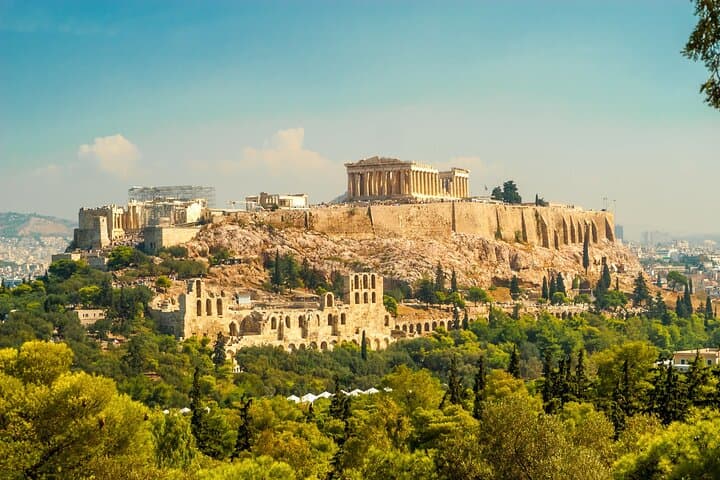
You step out into an Athenian morning where limestone streets warm underfoot and the Acropolis crowns the city like an old guard. Narrow alleys off Plaka smell of coffee and baking, while the sea breeze from the Saronic Gulf teases thought of the island day ahead.
Verified experiences and guided adventures in the surrounding area.
Operated by EUROLINKWORLDWIDE · Athens, Attica
You step out into an Athenian morning where limestone streets warm underfoot and the Acropolis crowns the city like an old guard. Narrow alleys off Plaka smell of coffee and baking, while the sea breeze from the Saronic Gulf teases thought of the island day ahead.
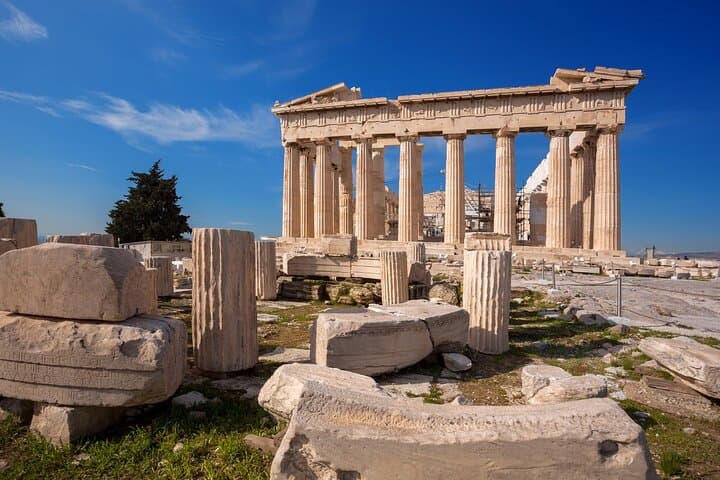
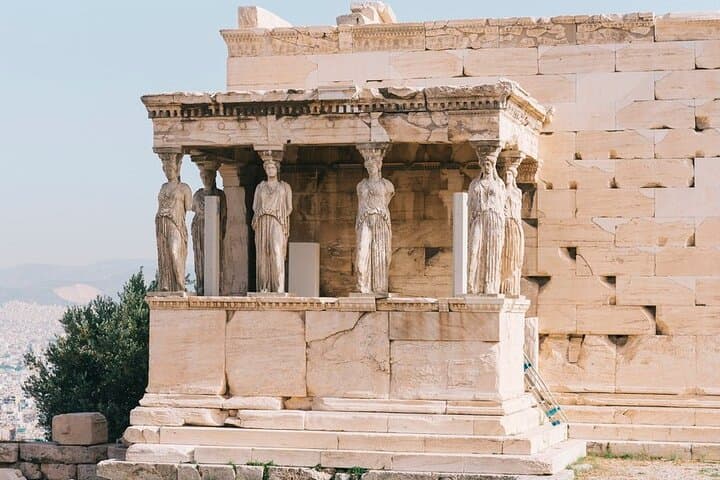
This five-day itinerary moves from classical marble to coastal blue: the 5th‑century BC Parthenon on the Acropolis; the modern Acropolis Museum with glass floors revealing ancient foundations; a coastal drive to Cape Sounion and the Temple of Poseidon perched on cliffs; and a day cruise that threads through Hydra, Poros, and Aegina’s pistachio groves. Along the route you’ll pass the Panathenaic Stadium (rebuilt for the 1896 Olympics), the Temple of Olympian Zeus, and neoclassical landmarks of the Athens Trilogy.
Geology here is exposed: Attica’s limestone terraces and volcanic rocks shape short, steep ridges that channel wind and sunlight into the city’s microclimates. Culturally, Athens is a living city—markets, kafeneia, and Byzantine churches share space with contemporary galleries.
Practical note: expect a mix of walking and short drives, with the island cruise departing early (often around 08:00) and several short on‑shore stops for exploring and swimming. Wear sturdy shoes for uneven ancient paving, carry sun protection and water, and book museum and cruise entries in advance during high season. Early mornings and late afternoons are best for sightseeing to avoid heat and crowds; pockets of shade and a slow café sit will keep the rhythm of travel humane and rewarding.
easy.
5 days.
Suitable for travelers in average fitness; expect several hours of walking each day with short transfers by van and ferry.
This itinerary includes admission to the Acropolis and the Acropolis Museum on the scheduled day; verify ticket details when booking.
The Saronic Gulf cruise is a full day, typically departing early morning, visiting Hydra, Poros and Aegina with on‑shore time and a lunch buffet provided onboard.
The program is rated easy overall, but ancient sites have steps and uneven terrain; notify organizers of mobility needs—alternate arrangements may be limited.
Spring (April–June) and fall (September–October) offer milder temperatures and fewer crowds; summer is busy and hot but ideal for swimming from island shores.
Athens’ central monuments date mainly to the 5th century BC Classical period; the city later layered Roman, Byzantine and Ottoman structures onto that classical core.
Visitor pressure at Acropolis and Saronic islands is managed through timed entries and protected zones; stick to marked paths, avoid touching sculptures, and support local businesses to keep tourism benefits local.
EUROLINKWORLDWIDE operates guided outdoor trips and adventures with an emphasis on safety, stewardship, and memorable experiences.

You step out into an Athenian morning where limestone streets warm underfoot and the Acropolis crowns the city like an old guard. Narrow alleys off Plaka smell of coffee and baking, while the sea breeze from the Saronic Gulf teases thought of the island day ahead.
You step out into an Athenian morning where limestone streets warm underfoot and the Acropolis crowns the city like an old guard. Narrow alleys off Plaka smell of coffee and baking, while the sea breeze from the Saronic Gulf teases thought of the island day ahead.
This five-day itinerary moves from classical marble to coastal blue: the 5th‑century BC Parthenon on the Acropolis; the modern Acropolis Museum with glass floors revealing ancient foundations; a coastal drive to Cape Sounion and the Temple of Poseidon perched on cliffs; and a day cruise that threads through Hydra, Poros, and Aegina’s pistachio groves. Along the route you’ll pass the Panathenaic Stadium (rebuilt for the 1896 Olympics), the Temple of Olympian Zeus, and neoclassical landmarks of the Athens Trilogy.
Geology here is exposed: Attica’s limestone terraces and volcanic rocks shape short, steep ridges that channel wind and sunlight into the city’s microclimates. Culturally, Athens is a living city—markets, kafeneia, and Byzantine churches share space with contemporary galleries.
Practical note: expect a mix of walking and short drives, with the island cruise departing early (often around 08:00) and several short on‑shore stops for exploring and swimming. Wear sturdy shoes for uneven ancient paving, carry sun protection and water, and book museum and cruise entries in advance during high season. Early mornings and late afternoons are best for sightseeing to avoid heat and crowds; pockets of shade and a slow café sit will keep the rhythm of travel humane and rewarding.