THE ADVENTURE COLLECTIVE® · Independent discovery and booking for outdoor travel

Step into the formation of a Greek hoplite near the Acropolis: a two-hour outdoor session that teaches phalanx movement and teamwork using replica equipment. Ideal for active travelers seeking a playful, social take on ancient military practice.
Step into the formation of a Greek hoplite near the Acropolis: a two-hour outdoor session that teaches phalanx movement and teamwork using replica equipment. Ideal for active travelers seeking a playful, social take on ancient military practice.
Sun hits the limestone paving around the Acropolis metro and the sound of sandals mixes with the slap of wooden shields as a group organizes into lines. You stand where city rhythm meets the ancient hill, shoulder to shoulder with strangers who are about to move and breathe like hoplites.
Verified experiences and guided adventures in the surrounding area.
Operated by Drastirioi · Athens, Attica
Sun hits the limestone paving around the Acropolis metro and the sound of sandals mixes with the slap of wooden shields as a group organizes into lines. You stand where city rhythm meets the ancient hill, shoulder to shoulder with strangers who are about to move and breathe like hoplites.
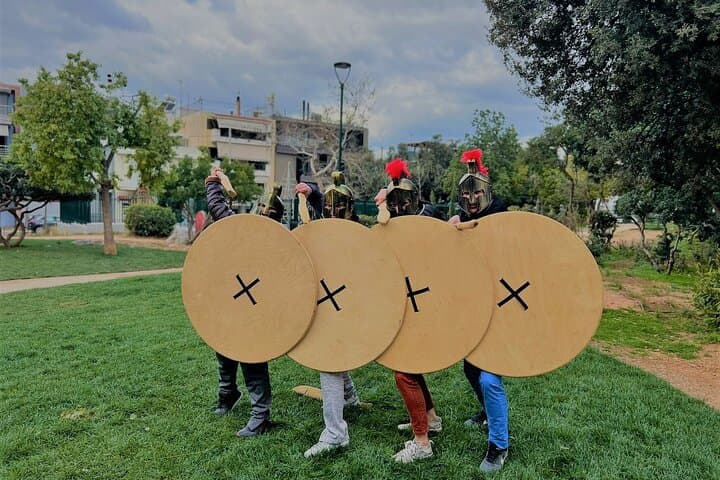
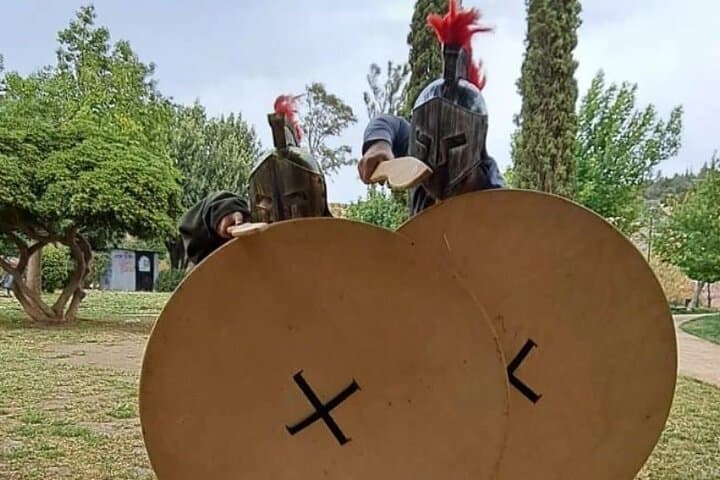
This experience recreates the basics of the classical phalanx — formation, shield-overlap, synchronized stepping — using historically inspired replica gear. Set in central Athens rather than inside protected ruins, the activity focuses on movement and teamwork rather than archaeology. The hoplite’s story is rooted in the 5th-century BCE conflicts of the Greco-Persian wars, when citizen-soldiers relied on discipline and close-order tactics to hold the line.
Geology and cityscape are part of the lesson: compacted limestone and tufa stones underfoot, short inclines, and the urban microclimate off the Acropolis influence footing and stamina. Local culture favors communal learning; expect a playful, athletic atmosphere where visitors from many countries test ancient technique and modern fitness.
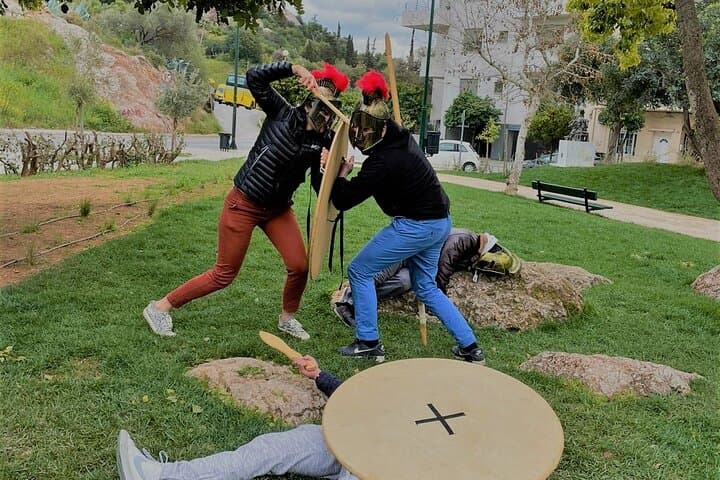
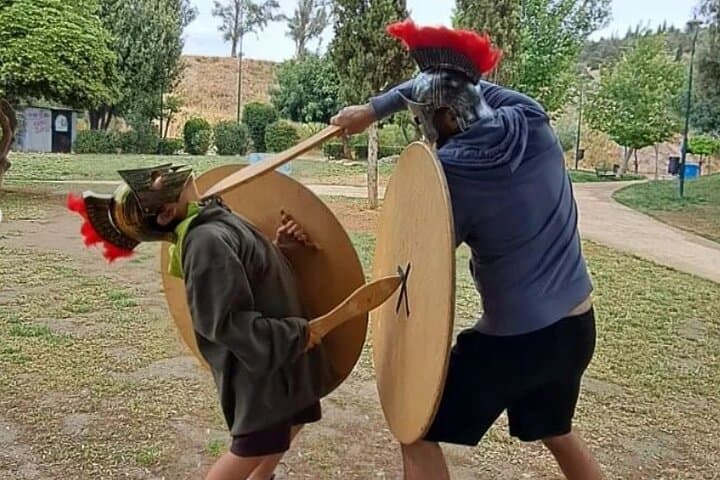
Practical guidance: wear supportive, closed-toe shoes and bring water; the session runs about two hours and includes brief athletic drills like othismos (push) in safe, supervised bursts. There are no guided archaeological tours included, and participants should disclose any heart conditions. Book early for evening slots to avoid peak sun, and plan 30–60 minutes extra for travel to and from the metro. This is experiential, social, and physical — a hands-on way to encounter classical Athens through coordinated motion rather than museum glass.
moderate.
2 hours.
Light-to-moderate fitness; able to perform short bursts of exertion and brief teamwork drills.
No — it’s an interactive outdoor activity focused on physical drills and team formation, not an archaeological tour.
No live or sharp weapons are used; the activity uses safe replicas and supervised physical contact.
Suitable for most ages and fitness levels, but participants with heart problems or recent injuries should avoid booking.
Sessions may be canceled or rescheduled for heavy rain or storms; check the operator’s policy for refunds if canceled 24+ hours prior.
The phalanx tactic became decisive during the Greco-Persian conflicts of the 5th century BCE, where discipline and overlapping shields helped citizen-soldiers hold the line.
Activities remain outside protected archaeological areas; participants should avoid climbing ruins, dispose of waste responsibly, and follow local rules to protect fragile heritage spaces.
Drastirioi operates guided outdoor trips and adventures with an emphasis on safety, stewardship, and memorable experiences.
Sun hits the limestone paving around the Acropolis metro and the sound of sandals mixes with the slap of wooden shields as a group organizes into lines. You stand where city rhythm meets the ancient hill, shoulder to shoulder with strangers who are about to move and breathe like hoplites.
Sun hits the limestone paving around the Acropolis metro and the sound of sandals mixes with the slap of wooden shields as a group organizes into lines. You stand where city rhythm meets the ancient hill, shoulder to shoulder with strangers who are about to move and breathe like hoplites.
This experience recreates the basics of the classical phalanx — formation, shield-overlap, synchronized stepping — using historically inspired replica gear. Set in central Athens rather than inside protected ruins, the activity focuses on movement and teamwork rather than archaeology. The hoplite’s story is rooted in the 5th-century BCE conflicts of the Greco-Persian wars, when citizen-soldiers relied on discipline and close-order tactics to hold the line.
Geology and cityscape are part of the lesson: compacted limestone and tufa stones underfoot, short inclines, and the urban microclimate off the Acropolis influence footing and stamina. Local culture favors communal learning; expect a playful, athletic atmosphere where visitors from many countries test ancient technique and modern fitness.
Practical guidance: wear supportive, closed-toe shoes and bring water; the session runs about two hours and includes brief athletic drills like othismos (push) in safe, supervised bursts. There are no guided archaeological tours included, and participants should disclose any heart conditions. Book early for evening slots to avoid peak sun, and plan 30–60 minutes extra for travel to and from the metro. This is experiential, social, and physical — a hands-on way to encounter classical Athens through coordinated motion rather than museum glass.