THE ADVENTURE COLLECTIVE® · Independent discovery and booking for outdoor travel

See two UNESCO sites in two days on this private tour: the oracle-filled terraces of Delphi and the cliff-top monasteries of Meteora. Expect dramatic geology, layered history, and practical logistical support from a private driver and guide.
See two UNESCO sites in two days on this private tour: the oracle-filled terraces of Delphi and the cliff-top monasteries of Meteora. Expect dramatic geology, layered history, and practical logistical support from a private driver and guide.
You step out of an air-conditioned van onto cool stone at the foot of Mount Parnassus; wind presses small clouds against the olive-scoured slopes while the ancient theatre above waits, empty and patient. By late afternoon the road opens toward tapering sandstone pillars—Meteora’s rocks rise like weathered towers, monasteries perched like stubborn ideas at their summits.
Verified experiences and guided adventures in the surrounding area.
Operated by GREEK ODYSSEYS TOURS · Athens, Attica
You step out of an air-conditioned van onto cool stone at the foot of Mount Parnassus; wind presses small clouds against the olive-scoured slopes while the ancient theatre above waits, empty and patient. By late afternoon the road opens toward tapering sandstone pillars—Meteora’s rocks rise like weathered towers, monasteries perched like stubborn ideas at their summits.
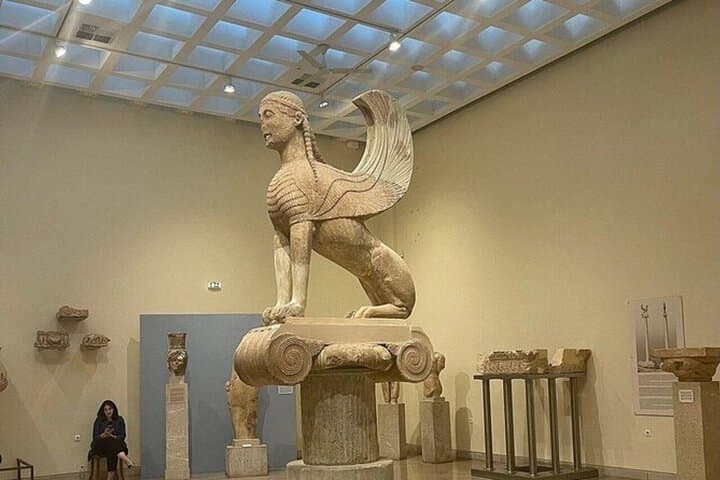
Delphi and Meteora occupy two very different chapters of Greek history. Delphi, once the omphalos of the Greek world, is a carved landscape of temples, treasuries and the Charioteer in the archaeological museum—sites that made oracles and civic identity. Meteora’s cliffs are geological archives of sandstone and conglomerate tumbled into vertical spires over millions of years; between the rock and sky, Orthodox monks built isolated cells and monasteries between the 14th and 16th centuries. Arachova and Kalambaka give a cultural counterpoint: mountain cafés, wool workshops, and tavernas that keep local culinary traditions alive.
Practical guide: this private itinerary moves steadily—expect about two days of driving, short hikes, and stair-climbed views at monastery entrances. Wear sturdy shoes for uneven rock and narrow stairways; modest clothing is required inside active monasteries. Bring water, sun protection and a small daypack; photography is allowed in many but not all monastic chapels. Timing matters: sunrise light on Meteora’s pillars is dramatic and quieter, while Delphi is best in mid-morning when the museum and site open. Respect restricted areas and local fasting/visiting rules at religious sites—your guide or driver will explain access, and a flexible pace makes the experience both deeper and less rushed.
easy.
2 days.
Suitable for travelers in normal everyday fitness: able to walk short distances, climb stairs and manage uneven stone paths.
Expect about 4–5 hours of driving total across two days between Athens, Delphi and Meteora, with stops built into the itinerary.
Admissions are typically not included in base pricing and may require small entrance fees; your guide will advise which monasteries are open and any extra costs.
Yes; the tour notes stroller access and infant lap seating, but plan for stairs at sites and limited childcare services in monasteries.
This is a private tour, so the driver can tailor stops and timing within the two-day schedule—confirm preferences at booking.
Delphi was the spiritual center of ancient Greece where the Oracle influenced politics and pilgrimage; Meteora’s monasteries were founded by hesychast monks seeking isolation on inaccessible rock columns between the 14th and 16th centuries.
Both sites are UNESCO-protected; visitors should stay on marked paths, avoid feeding wildlife, and follow monastery rules to reduce erosion and preserve fragile historical fabric.
GREEK ODYSSEYS TOURS operates guided outdoor trips and adventures with an emphasis on safety, stewardship, and memorable experiences.
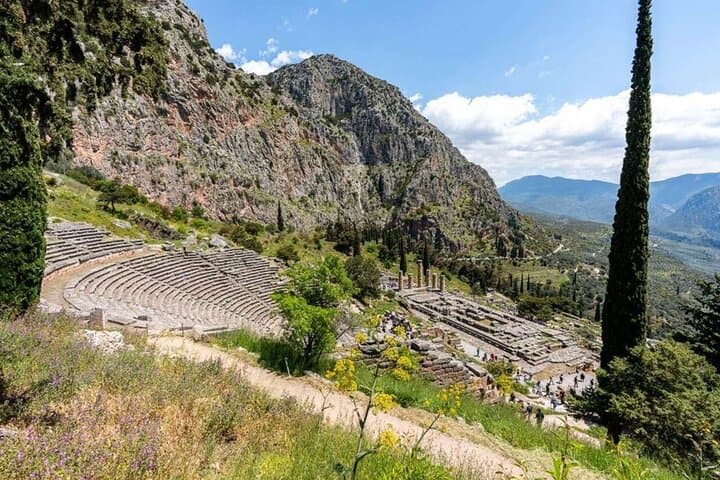
You step out of an air-conditioned van onto cool stone at the foot of Mount Parnassus; wind presses small clouds against the olive-scoured slopes while the ancient theatre above waits, empty and patient. By late afternoon the road opens toward tapering sandstone pillars—Meteora’s rocks rise like weathered towers, monasteries perched like stubborn ideas at their summits.
You step out of an air-conditioned van onto cool stone at the foot of Mount Parnassus; wind presses small clouds against the olive-scoured slopes while the ancient theatre above waits, empty and patient. By late afternoon the road opens toward tapering sandstone pillars—Meteora’s rocks rise like weathered towers, monasteries perched like stubborn ideas at their summits.
Delphi and Meteora occupy two very different chapters of Greek history. Delphi, once the omphalos of the Greek world, is a carved landscape of temples, treasuries and the Charioteer in the archaeological museum—sites that made oracles and civic identity. Meteora’s cliffs are geological archives of sandstone and conglomerate tumbled into vertical spires over millions of years; between the rock and sky, Orthodox monks built isolated cells and monasteries between the 14th and 16th centuries. Arachova and Kalambaka give a cultural counterpoint: mountain cafés, wool workshops, and tavernas that keep local culinary traditions alive.
Practical guide: this private itinerary moves steadily—expect about two days of driving, short hikes, and stair-climbed views at monastery entrances. Wear sturdy shoes for uneven rock and narrow stairways; modest clothing is required inside active monasteries. Bring water, sun protection and a small daypack; photography is allowed in many but not all monastic chapels. Timing matters: sunrise light on Meteora’s pillars is dramatic and quieter, while Delphi is best in mid-morning when the museum and site open. Respect restricted areas and local fasting/visiting rules at religious sites—your guide or driver will explain access, and a flexible pace makes the experience both deeper and less rushed.