THE ADVENTURE COLLECTIVE® · Independent discovery and booking for outdoor travel

A compact, interpretation-rich four-day circuit from Athens visiting five UNESCO sites: Epidaurus, Mycenae, Olympia, Delphi and Meteora. Ideal for travelers who want a structured, comfortable introduction to classical Greece with guided context and efficient logistics.
A compact, interpretation-rich four-day circuit from Athens visiting five UNESCO sites: Epidaurus, Mycenae, Olympia, Delphi and Meteora. Ideal for travelers who want a structured, comfortable introduction to classical Greece with guided context and efficient logistics.
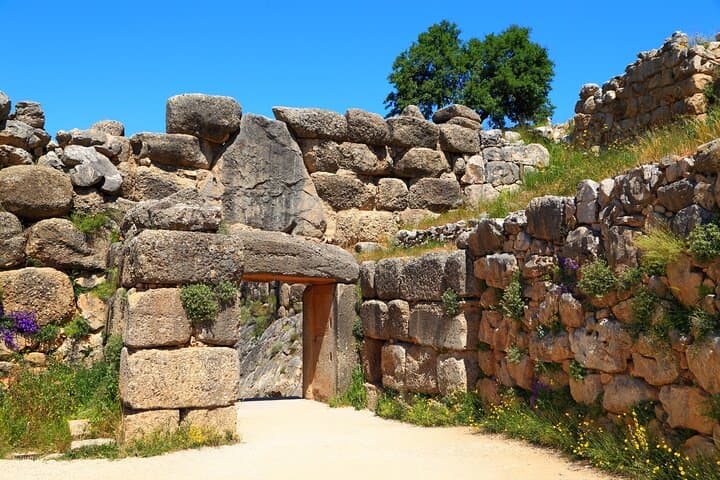
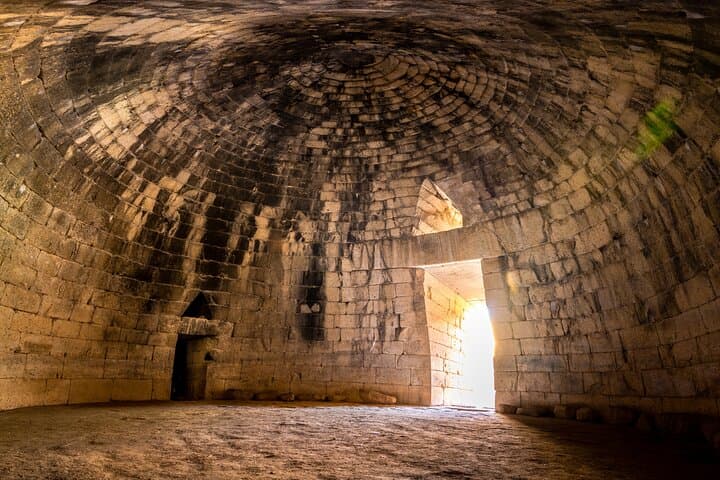
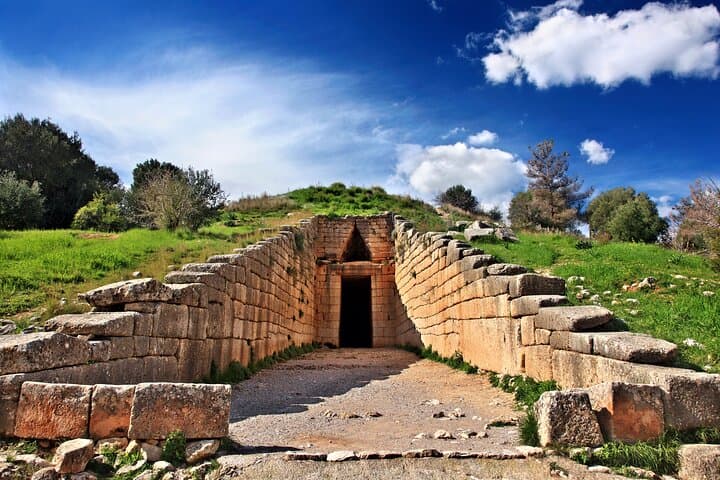
Step off an Athens bus into limestone light and the slow, deliberate geometry of Greek history: an amphitheatre that rewards a whisper, a ruined throne carved into the Peloponnese, the cracked marble of a stadium where the original Olympic flame once burned. Over four days the route stitches Corinth’s narrow canal, Epidaurus’ world-famous acoustics, the burial circles of Mycenae, the sanctity of Olympia, the oracle terraces at Delphi and the vertiginous monasteries of Meteora.
Verified experiences and guided adventures in the surrounding area.
Operated by Keytours - Greece · Athens, Attica
Step off an Athens bus into limestone light and the slow, deliberate geometry of Greek history: an amphitheatre that rewards a whisper, a ruined throne carved into the Peloponnese, the cracked marble of a stadium where the original Olympic flame once burned. Over four days the route stitches Corinth’s narrow canal, Epidaurus’ world-famous acoustics, the burial circles of Mycenae, the sanctity of Olympia, the oracle terraces at Delphi and the vertiginous monasteries of Meteora.
These sites span eras—the Bronze Age palaces of Mycenae (Late Helladic), the classical healing sanctuary at Epidaurus, and Delphi’s archaic to Hellenistic layers—set on a geological stage of limestone plateaus, river valleys and the metamorphic pillars of Meteora formed by ancient fluvial deposits and tectonic uplift.
Culture here is tactile: votive offerings, stone inscriptions and Orthodox monastic life that requires modest dress. Guides explain context—politics, religion and the technological ingenuity that produced stadiums and theaters still legible to modern visitors.
Practical guidance: expect long coach transfers (several 2–4 hour drives), multiple short walks over uneven ancient stones and stairs, and three hotel nights in 3–4* lodgings. Carry layered sun protection, a sturdy pair of walking shoes, and a small daypack for water and guidebook; monasteries enforce a conservative dress code. Schedule early temple visits to avoid heat and crowds; allot time for museum visits at Delphi and Olympia which deepen the field experience. This itinerary is a concentrated primer on classical Greece—sensory, scholarly and paced for travelers who prefer interpretation plus efficient logistics.
easy.
4 days.
Suitable for travelers in general good health who can manage multiple short walks and stairs; not strenuous but expect uneven terrain.
Yes—entrance fees to the archaeological sites and museums listed in the itinerary are included in the tour price.
Yes—three nights’ accommodation in 3*/4* hotels and most breakfasts and dinners listed are included; a local accommodation tax is paid at hotels separately.
Selected centrally located hotels are eligible for pickup; exact times are confirmed by the supplier before departure.
Many sites have uneven stone surfaces and stair sections; while the tour is suitable for most fitness levels, limited mobility may restrict access to some areas.
The route traces Greece’s long arc—from Late Bronze Age palaces at Mycenae through classical sanctuaries at Epidaurus and Delphi to Byzantine monastic continuity at Meteora.
Visitor pressure on fragile ruins and monasteries requires respectful behavior; stick to paths, avoid touching frescoes and follow local guidance to protect fragile sites.
Keytours - Greece operates guided outdoor trips and adventures with an emphasis on safety, stewardship, and memorable experiences.
Step off an Athens bus into limestone light and the slow, deliberate geometry of Greek history: an amphitheatre that rewards a whisper, a ruined throne carved into the Peloponnese, the cracked marble of a stadium where the original Olympic flame once burned. Over four days the route stitches Corinth’s narrow canal, Epidaurus’ world-famous acoustics, the burial circles of Mycenae, the sanctity of Olympia, the oracle terraces at Delphi and the vertiginous monasteries of Meteora.
Step off an Athens bus into limestone light and the slow, deliberate geometry of Greek history: an amphitheatre that rewards a whisper, a ruined throne carved into the Peloponnese, the cracked marble of a stadium where the original Olympic flame once burned. Over four days the route stitches Corinth’s narrow canal, Epidaurus’ world-famous acoustics, the burial circles of Mycenae, the sanctity of Olympia, the oracle terraces at Delphi and the vertiginous monasteries of Meteora.
These sites span eras—the Bronze Age palaces of Mycenae (Late Helladic), the classical healing sanctuary at Epidaurus, and Delphi’s archaic to Hellenistic layers—set on a geological stage of limestone plateaus, river valleys and the metamorphic pillars of Meteora formed by ancient fluvial deposits and tectonic uplift.
Culture here is tactile: votive offerings, stone inscriptions and Orthodox monastic life that requires modest dress. Guides explain context—politics, religion and the technological ingenuity that produced stadiums and theaters still legible to modern visitors.
Practical guidance: expect long coach transfers (several 2–4 hour drives), multiple short walks over uneven ancient stones and stairs, and three hotel nights in 3–4* lodgings. Carry layered sun protection, a sturdy pair of walking shoes, and a small daypack for water and guidebook; monasteries enforce a conservative dress code. Schedule early temple visits to avoid heat and crowds; allot time for museum visits at Delphi and Olympia which deepen the field experience. This itinerary is a concentrated primer on classical Greece—sensory, scholarly and paced for travelers who prefer interpretation plus efficient logistics.