THE ADVENTURE COLLECTIVE® · Independent discovery and booking for outdoor travel

Drive the Athenian Riviera to Cape Sounion for a private look at the Temple of Poseidon, mineral springs at Vouliagmeni, and marina-side promenades. Time it for late-afternoon light and expect coastal scenery, archaeology and easy walks.
Drive the Athenian Riviera to Cape Sounion for a private look at the Temple of Poseidon, mineral springs at Vouliagmeni, and marina-side promenades. Time it for late-afternoon light and expect coastal scenery, archaeology and easy walks.
You step out of Athens' traffic into a coastal road that loosens the city's tempo. The Athenian Riviera unfurls — scrubby cliffs, bright-blue coves and the steady pulse of the Aegean — until the road pulls up to Cape Sounion where the columns of Poseidon's temple stand like a cliff-top watch.
Verified experiences and guided adventures in the surrounding area.
Operated by Happy Pickups · Sounio, Attica
You step out of Athens' traffic into a coastal road that loosens the city's tempo. The Athenian Riviera unfurls — scrubby cliffs, bright-blue coves and the steady pulse of the Aegean — until the road pulls up to Cape Sounion where the columns of Poseidon's temple stand like a cliff-top watch.
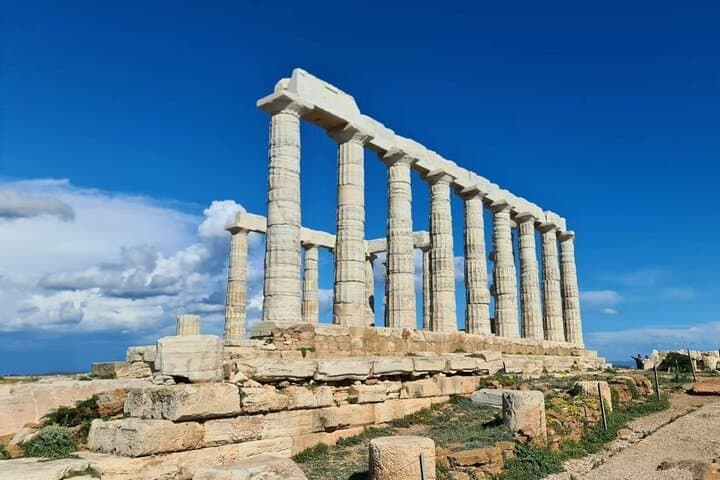
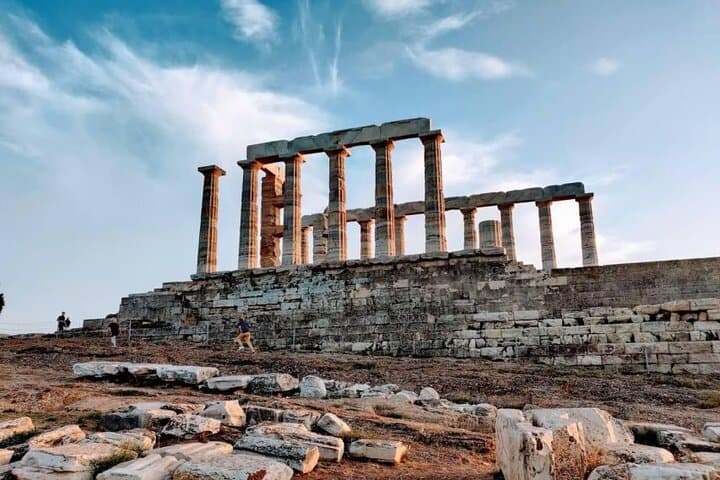
The Temple of Poseidon, raised in the 5th century BC, was a coastal marker for sailors and a votive site to the god of the sea. The limestone and marble ruin rests on a promontory carved by wind and wave; geologically, the cape is part of Attica's schist and marble outcrops that fracture into sharp cliff faces and pebble beaches. Along the route, modern marinas and seaside cafés speak to Athens' long coastal culture — seafood, afternoon swims, and an easy relationship with the sea.
Visitors combine a short walk around the temple with pauses at Vouliagmeni Lake's mineral waters and a stroll along Marina Flisvos. Expect warm, saline air, gull cries, and the slow geometry of Doric columns against the horizon.
Practicalities: allow 3–6 hours for a private tour, with roughly 1–1.5 hours driving each way from central Athens. Wear sturdy shoes for uneven ancient stone, bring sun protection and water, and time your visit for late afternoon if you want the classic sunset light, but know it draws crowds. Respect barriers at archaeological sites and local marine protections; the area is both historically fragile and ecologically active.
easy.
3–6 hours.
Light; suitable for travelers comfortable with short walks and brief climbs over uneven ground.
Plan about 45–75 minutes each way from central Athens depending on traffic; private tours often include pickup and drop-off.
Most private vehicle tours do not include archaeological site admission by default; check the tour specifics and bring cash or card for entry.
Yes — Vouliagmeni has managed thermal waters and a paid beach complex; swimming may require an entrance fee and seasonal hours.
No — sunsets depend on weather and visibility; clear days deliver dramatic light, but cloudy conditions reduce color and visibility.
The Temple of Poseidon dates to the 5th century BC and served as both a religious site and coastal signal for ancient mariners.
The cape and adjacent coastal waters are sensitive: stick to marked paths, avoid touching or climbing ruins, and minimize impact on marine areas when swimming.
Happy Pickups operates guided outdoor trips and adventures with an emphasis on safety, stewardship, and memorable experiences.
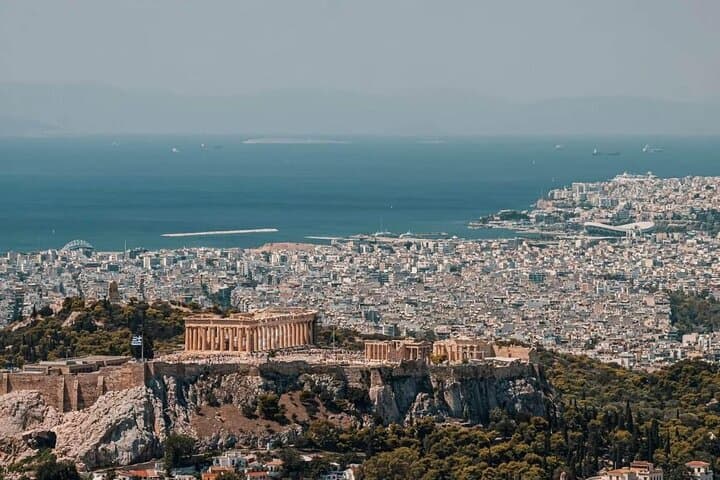

You step out of Athens' traffic into a coastal road that loosens the city's tempo. The Athenian Riviera unfurls — scrubby cliffs, bright-blue coves and the steady pulse of the Aegean — until the road pulls up to Cape Sounion where the columns of Poseidon's temple stand like a cliff-top watch.
You step out of Athens' traffic into a coastal road that loosens the city's tempo. The Athenian Riviera unfurls — scrubby cliffs, bright-blue coves and the steady pulse of the Aegean — until the road pulls up to Cape Sounion where the columns of Poseidon's temple stand like a cliff-top watch.
The Temple of Poseidon, raised in the 5th century BC, was a coastal marker for sailors and a votive site to the god of the sea. The limestone and marble ruin rests on a promontory carved by wind and wave; geologically, the cape is part of Attica's schist and marble outcrops that fracture into sharp cliff faces and pebble beaches. Along the route, modern marinas and seaside cafés speak to Athens' long coastal culture — seafood, afternoon swims, and an easy relationship with the sea.
Visitors combine a short walk around the temple with pauses at Vouliagmeni Lake's mineral waters and a stroll along Marina Flisvos. Expect warm, saline air, gull cries, and the slow geometry of Doric columns against the horizon.
Practicalities: allow 3–6 hours for a private tour, with roughly 1–1.5 hours driving each way from central Athens. Wear sturdy shoes for uneven ancient stone, bring sun protection and water, and time your visit for late afternoon if you want the classic sunset light, but know it draws crowds. Respect barriers at archaeological sites and local marine protections; the area is both historically fragile and ecologically active.