THE ADVENTURE COLLECTIVE® · Independent discovery and booking for outdoor travel

Float the Athabasca for 2–3 hours of accessible river adventure in Jasper National Park. This family-friendly raft trip mixes mellow stretches and quick Class 2 rapids with interpretive guiding, local history, and easy logistics.
Float the Athabasca for 2–3 hours of accessible river adventure in Jasper National Park. This family-friendly raft trip mixes mellow stretches and quick Class 2 rapids with interpretive guiding, local history, and easy logistics.
You step onto the riverbank and the Athabasca greets you in two moods: a slow, silvery braid that coils through willow and boulder, and a sudden lively current that nudges the raft forward. The guide clips a life jacket on, cracks a grin, and with a practiced shove you’re off — two hours that feel like a local masterclass in Jasper’s landscape.
Verified experiences and guided adventures in the surrounding area.
Operated by Jasper Raft Tours Ltd. · Jasper, Alberta
You step onto the riverbank and the Athabasca greets you in two moods: a slow, silvery braid that coils through willow and boulder, and a sudden lively current that nudges the raft forward. The guide clips a life jacket on, cracks a grin, and with a practiced shove you’re off — two hours that feel like a local masterclass in Jasper’s landscape.
The Athabasca has been moving people long before tourism: its channel was a canoe highway for Indigenous nations and later the voyageurs and fur traders—David Thompson mapped this corridor in 1811. Today the trip threads through a UNESCO World Heritage site, where glacially carved valleys and sedimentary cliffs tell a geological story of relentless ice and shifting seas. Look for the bluffs where older marine fossils show the park’s deep-time past, and watch the current sculpt the river’s surface into riffles that laugh at your presence.
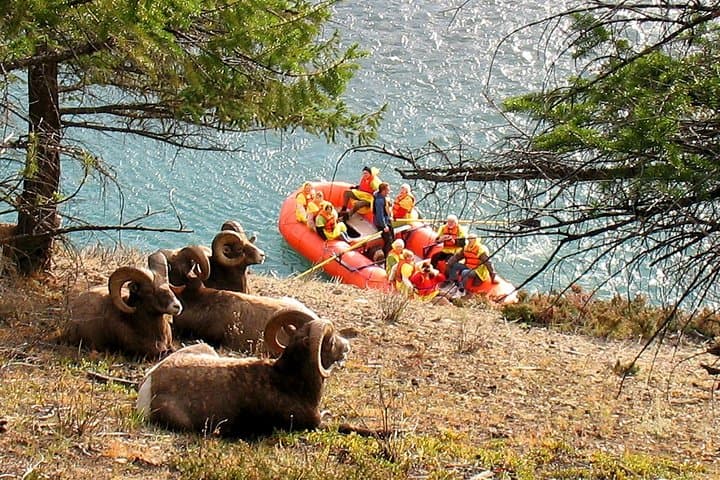
Culture here is small-town and park-driven. Guides are National Park licensed and fluent in local natural history; expect short interpretive stops where they point out spruce bark harvesting sites, elk sign, and stories of early rail and homesteading that re-shaped this valley. The river has personality: it dares you in Class 2 rapids that splash but won’t overthrow, and comforts you in long, calm stretches that invite conversation or quiet observation.
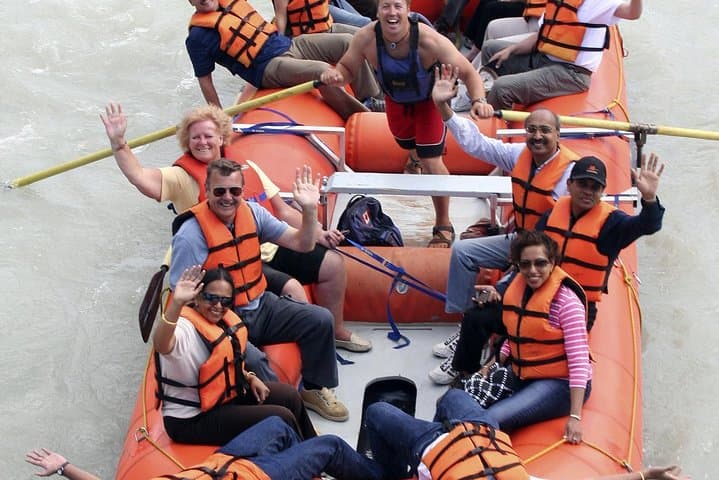
Practically speaking, this 2–3 hour round trip (including transport) is designed for families — toddlers to grandparents — and for non-swimmers as everyone wears life jackets. The run covers roughly 8–12 km of river depending on water levels, with easy boarding and disembarking at developed launch sites near Jasper town. Meet 15–20 minutes before departure at the Two Brothers Totem Pole beside the Jasper Train Station; restrooms are available at launch points and a professional photographer captures the ride.
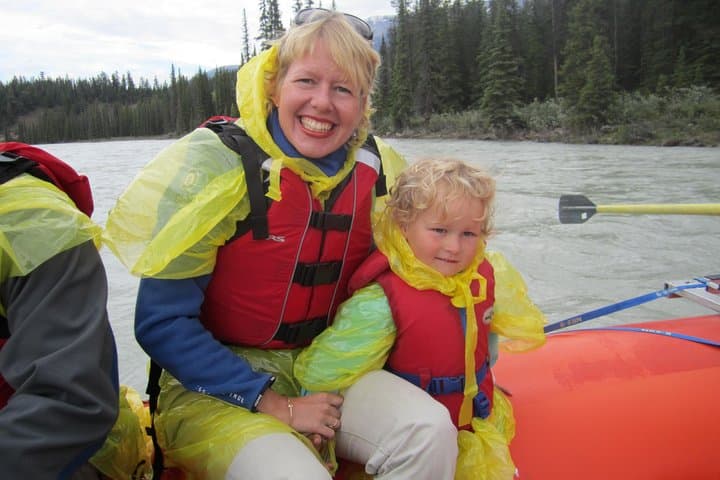
What to bring: quick-dry layers, closed-toe water shoes, sun protection, and a reusable water bottle. Ponchos and life jackets are provided; dress for the weather since the river runs in all conditions. Avoid this trip if you have recent spinal injuries, are pregnant, or have serious heart issues — guides screen for safety. The best light for photos is low sun on calm stretches, when the river mirrors the peaks and the spray catches like crystal.
The Athabasca float is not a whitewater test so much as a river-born introduction to Jasper: a practical, accessible way to read the valley from water level, learn local stories, and feel the current nudge you along.
easy.
2–3 hours.
Minimal fitness required; participants should be able to climb in and out of a raft and sit for the duration.
Yes—life jackets are mandatory and guides manage the raft; families with young children commonly join.
Meet 15–20 minutes before departure at the Two Brothers Totem Pole beside Jasper Train Station; prompt arrival helps the group launch on time.
The route is rated Class 2—some splashy, fast sections but nothing technical or dangerous for a guided family trip.
A professional photographer rides and you can purchase images at the end of the excursion.
Not recommended for pregnant travelers, those with recent spinal injuries, or serious heart conditions; disclose health issues when booking.
Full refund if canceled at least 24 hours before departure; check the provider’s booking page for details.
The Athabasca River was a key route for Indigenous peoples and later for fur traders; David Thompson mapped sections of this corridor in the early 1800s.
Jasper National Park manages river access to protect riparian habitat—stay on designated boarding points and avoid disturbing wildlife; pack out all trash.
Jasper Raft Tours Ltd. operates guided outdoor trips and adventures with an emphasis on safety, stewardship, and memorable experiences.
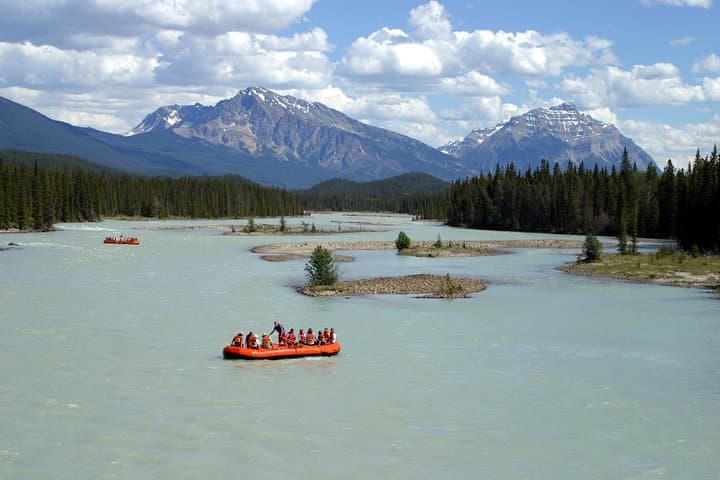
You step onto the riverbank and the Athabasca greets you in two moods: a slow, silvery braid that coils through willow and boulder, and a sudden lively current that nudges the raft forward. The guide clips a life jacket on, cracks a grin, and with a practiced shove you’re off — two hours that feel like a local masterclass in Jasper’s landscape.
You step onto the riverbank and the Athabasca greets you in two moods: a slow, silvery braid that coils through willow and boulder, and a sudden lively current that nudges the raft forward. The guide clips a life jacket on, cracks a grin, and with a practiced shove you’re off — two hours that feel like a local masterclass in Jasper’s landscape.
The Athabasca has been moving people long before tourism: its channel was a canoe highway for Indigenous nations and later the voyageurs and fur traders—David Thompson mapped this corridor in 1811. Today the trip threads through a UNESCO World Heritage site, where glacially carved valleys and sedimentary cliffs tell a geological story of relentless ice and shifting seas. Look for the bluffs where older marine fossils show the park’s deep-time past, and watch the current sculpt the river’s surface into riffles that laugh at your presence.
Culture here is small-town and park-driven. Guides are National Park licensed and fluent in local natural history; expect short interpretive stops where they point out spruce bark harvesting sites, elk sign, and stories of early rail and homesteading that re-shaped this valley. The river has personality: it dares you in Class 2 rapids that splash but won’t overthrow, and comforts you in long, calm stretches that invite conversation or quiet observation.
Practically speaking, this 2–3 hour round trip (including transport) is designed for families — toddlers to grandparents — and for non-swimmers as everyone wears life jackets. The run covers roughly 8–12 km of river depending on water levels, with easy boarding and disembarking at developed launch sites near Jasper town. Meet 15–20 minutes before departure at the Two Brothers Totem Pole beside the Jasper Train Station; restrooms are available at launch points and a professional photographer captures the ride.
What to bring: quick-dry layers, closed-toe water shoes, sun protection, and a reusable water bottle. Ponchos and life jackets are provided; dress for the weather since the river runs in all conditions. Avoid this trip if you have recent spinal injuries, are pregnant, or have serious heart issues — guides screen for safety. The best light for photos is low sun on calm stretches, when the river mirrors the peaks and the spray catches like crystal.
The Athabasca float is not a whitewater test so much as a river-born introduction to Jasper: a practical, accessible way to read the valley from water level, learn local stories, and feel the current nudge you along.