THE ADVENTURE COLLECTIVE® · Independent discovery and booking for outdoor travel

Launch beneath thunderous cliffs and float 15 kilometres through a canyon carved by glaciers. The Athabasca Falls Run is a three‑hour guided rafting trip from Jasper that balances moderate rapids with sweeping valley scenery and wildlife viewing.
Launch beneath thunderous cliffs and float 15 kilometres through a canyon carved by glaciers. The Athabasca Falls Run is a three‑hour guided rafting trip from Jasper that balances moderate rapids with sweeping valley scenery and wildlife viewing.
You push off from the gravel bank and the river takes over. The Athabasca doesn't beg for attention — it grabs it, rushing you into a slot of granite where spray bites your face and the canyon walls close like the pages of an old book. This is the Athabasca Falls Run, a guided, 15‑kilometre float down the Athabasca Valley that compresses big-mountain drama into a three‑hour, family‑friendly punch of rapids, tight canyon passages and long, reflecting stretches where the Rockies read their own lines back at you.
Verified experiences and guided adventures in the surrounding area.
Operated by Rocky Mountain River Guides · Jasper, Alberta
You push off from the gravel bank and the river takes over. The Athabasca doesn't beg for attention — it grabs it, rushing you into a slot of granite where spray bites your face and the canyon walls close like the pages of an old book. This is the Athabasca Falls Run, a guided, 15‑kilometre float down the Athabasca Valley that compresses big-mountain drama into a three‑hour, family‑friendly punch of rapids, tight canyon passages and long, reflecting stretches where the Rockies read their own lines back at you.
The river here is shaped by ice and time. Glaciers carved the valley, and the Athabasca cut through layered Paleozoic rock to reveal steep-walled canyons and tumble‑polished chutes. For millennia Indigenous groups and later fur traders used the river corridor as a travel route; today Jasper National Park manages it as both protected habitat and public playground. Local guides point out fossil bands in the cliffs and tell stories about the quirky portage road — a straight, maintained grade reportedly built for an old film shoot — that drops you to the water's edge.
On the run you'll sit in eight‑person rafts steered by federally licensed guides who run a short safety briefing before launch. The first rapids start at the base of Athabasca Falls — not the falls themselves, which are wild and dangerous, but the powerful current that feeds the downstream canyon. For the next 15 kilometres you alternate between pulse‑quickening drops and long, reflective glides that let you scan talus slopes for bighorn sheep, bald eagles and the occasional river otter.
Practical angle: the trip is three hours total with shuttles from Jasper (RV Parking Lot near Connaught Drive & Hazel Avenue) leaving at 12:00 and 14:30; arrive 15 minutes early. Minimum age is 6, and all river gear is provided, including wet suits or splash tops when needed. Dress in a swimsuit or quick‑dry layers under synthetic clothing; footwear with grip that can get wet is essential. Bring a dry bag for your phone or a compact waterproof camera — the canyon offers perspectives you can’t see from the roadside.
Safety and leave‑no‑trace matter here: the river is fed by glacial melt and stays cold even in summer; listen to your guide on paddling commands and re‑entry technique. Jasper’s window of warm weather is short, so book early in high season and plan for variable conditions.
If you want a taste of Rocky Mountain river running without committing to whitewater schooling, this run delivers concentrated scenery, controlled rapids and wildlife odds that keep your eyes moving. It’s both adrenaline and education, a corridor of geology and life that demands attention — and gives it back in spades.
moderate.
3 hours.
Suitable for most people in average fitness; requires ability to sit in a raft and follow instructions. Children 6+ must be accompanied by an adult.
Participants must be at least 6 years old; children must be accompanied by an adult.
The trip is approximately 3 hours and covers 15 kilometres, launching at the base of Athabasca Falls with shuttle pick‑up from Jasper's RV Parking Lot.
No—guides handle navigation and give a safety briefing; ability to follow instructions and basic mobility is sufficient.
Wear a swimsuit or quick‑dry base layer under synthetic clothing and water‑friendly footwear; a wetsuit or splash top is provided if conditions require it.
Yes—bring a waterproof camera or use a dry bag; guides include a photographer on some departures but personal devices should be protected.
Common sightings include bald eagles, bighorn sheep on canyon ledges, and sometimes river otters; keep a respectful distance and follow park rules.
The Athabasca River corridor has long been a travel and trade route for Indigenous peoples and later fur traders; the canyon landscapes are the product of glacial carving and river incision.
Trips operate inside Jasper National Park—follow Leave No Trace, avoid feeding wildlife, and use reef‑safe sunscreen to reduce riverine impact.
Rocky Mountain River Guides operates guided outdoor trips and adventures with an emphasis on safety, stewardship, and memorable experiences.
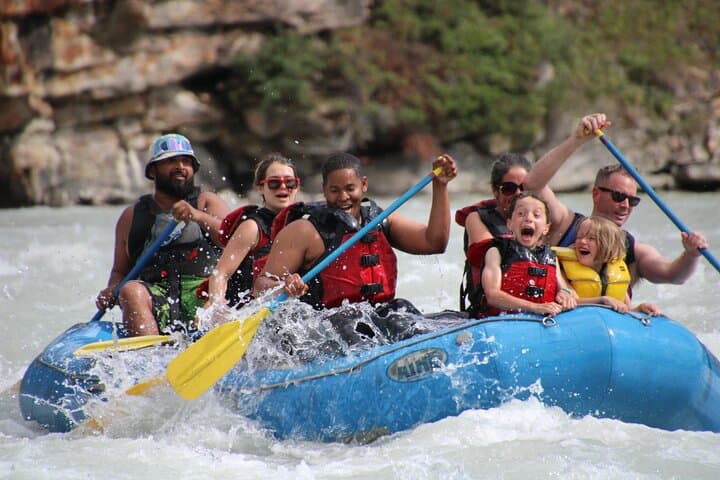
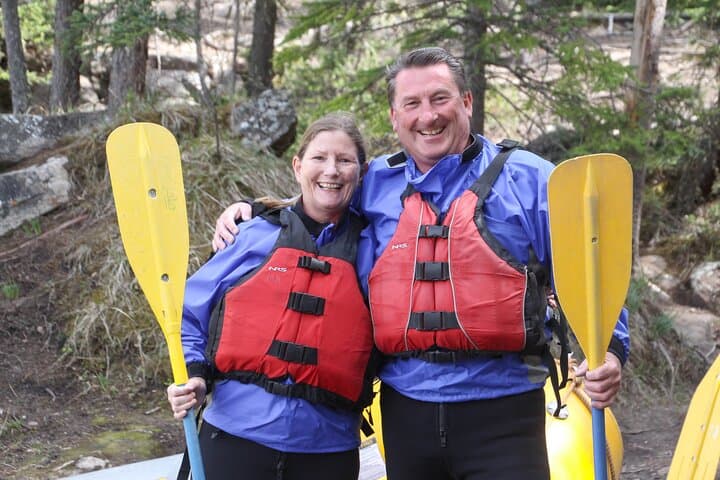
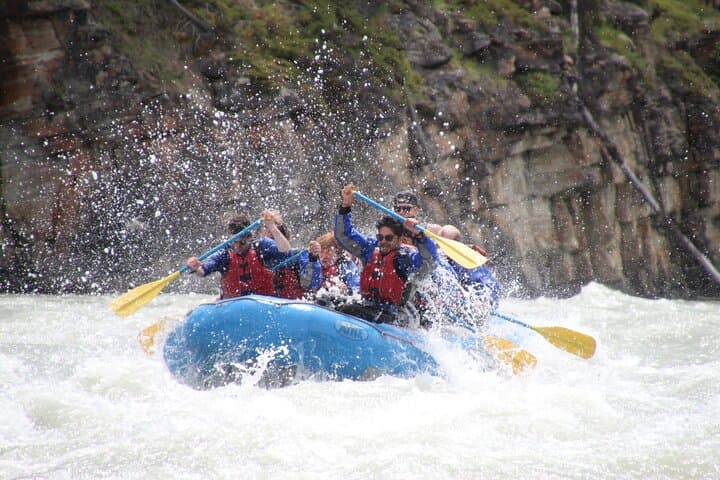
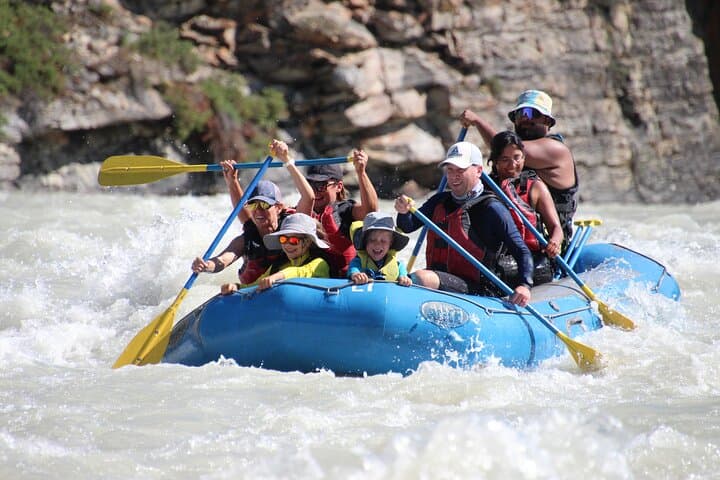
You push off from the gravel bank and the river takes over. The Athabasca doesn't beg for attention — it grabs it, rushing you into a slot of granite where spray bites your face and the canyon walls close like the pages of an old book. This is the Athabasca Falls Run, a guided, 15‑kilometre float down the Athabasca Valley that compresses big-mountain drama into a three‑hour, family‑friendly punch of rapids, tight canyon passages and long, reflecting stretches where the Rockies read their own lines back at you.
You push off from the gravel bank and the river takes over. The Athabasca doesn't beg for attention — it grabs it, rushing you into a slot of granite where spray bites your face and the canyon walls close like the pages of an old book. This is the Athabasca Falls Run, a guided, 15‑kilometre float down the Athabasca Valley that compresses big-mountain drama into a three‑hour, family‑friendly punch of rapids, tight canyon passages and long, reflecting stretches where the Rockies read their own lines back at you.
The river here is shaped by ice and time. Glaciers carved the valley, and the Athabasca cut through layered Paleozoic rock to reveal steep-walled canyons and tumble‑polished chutes. For millennia Indigenous groups and later fur traders used the river corridor as a travel route; today Jasper National Park manages it as both protected habitat and public playground. Local guides point out fossil bands in the cliffs and tell stories about the quirky portage road — a straight, maintained grade reportedly built for an old film shoot — that drops you to the water's edge.
On the run you'll sit in eight‑person rafts steered by federally licensed guides who run a short safety briefing before launch. The first rapids start at the base of Athabasca Falls — not the falls themselves, which are wild and dangerous, but the powerful current that feeds the downstream canyon. For the next 15 kilometres you alternate between pulse‑quickening drops and long, reflective glides that let you scan talus slopes for bighorn sheep, bald eagles and the occasional river otter.
Practical angle: the trip is three hours total with shuttles from Jasper (RV Parking Lot near Connaught Drive & Hazel Avenue) leaving at 12:00 and 14:30; arrive 15 minutes early. Minimum age is 6, and all river gear is provided, including wet suits or splash tops when needed. Dress in a swimsuit or quick‑dry layers under synthetic clothing; footwear with grip that can get wet is essential. Bring a dry bag for your phone or a compact waterproof camera — the canyon offers perspectives you can’t see from the roadside.
Safety and leave‑no‑trace matter here: the river is fed by glacial melt and stays cold even in summer; listen to your guide on paddling commands and re‑entry technique. Jasper’s window of warm weather is short, so book early in high season and plan for variable conditions.
If you want a taste of Rocky Mountain river running without committing to whitewater schooling, this run delivers concentrated scenery, controlled rapids and wildlife odds that keep your eyes moving. It’s both adrenaline and education, a corridor of geology and life that demands attention — and gives it back in spades.