THE ADVENTURE COLLECTIVE® · Independent discovery and booking for outdoor travel

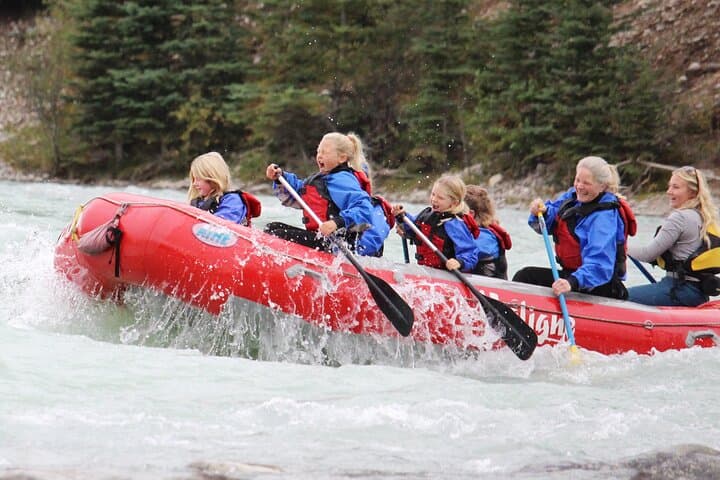
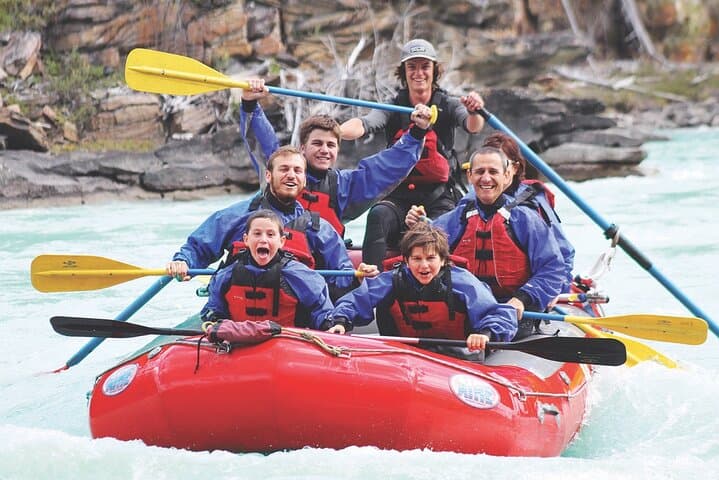
Float a wide, glacier-fed ribbon of water through Jasper National Park on a family-friendly Class II rafting trip. The five-mile Athabasca Expressway balances splashy rapids with sweeping mountain views and knowledgeable guides.
Float a wide, glacier-fed ribbon of water through Jasper National Park on a family-friendly Class II rafting trip. The five-mile Athabasca Expressway balances splashy rapids with sweeping mountain views and knowledgeable guides.
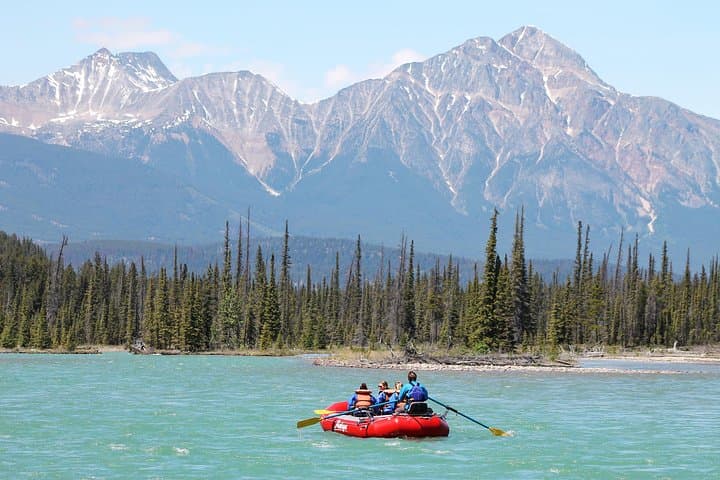
The first thing the river does is laugh — a steady, tumbling chuckle as it runs past exposed bedrock and old-growth pines. Standing at the public parking lot on Connaught Drive in Jasper, you can already hear it: the Athabasca pulling itself down from the icefields, impatient and bright. In a half hour you’ll be on a wide, five-mile corridor known locally as the Expressway, where soft, splashy Class II rapids punctuate long floating stretches that let the mountains and the air set the tempo.
Verified experiences and guided adventures in the surrounding area.
Operated by Maligne Adventures · Jasper, Alberta
The first thing the river does is laugh — a steady, tumbling chuckle as it runs past exposed bedrock and old-growth pines. Standing at the public parking lot on Connaught Drive in Jasper, you can already hear it: the Athabasca pulling itself down from the icefields, impatient and bright. In a half hour you’ll be on a wide, five-mile corridor known locally as the Expressway, where soft, splashy Class II rapids punctuate long floating stretches that let the mountains and the air set the tempo.
The Athabasca is glacial at its head and ancient in its stories. Designated a Canadian Heritage River, it carried Indigenous peoples and later fur traders through this part of the Rockies; the channel you paddle today still follows that carved line through a valley of folded sedimentary rocks and spruce stands. Geologically, the river slices through Pleistocene deposits and glacial till, revealing banded cliffs and smooth, water-polished outcrops that mark cycles of ice and melt.
Culturally, Jasper National Park is quietly busy — tourism here respects scale. The guide teams that run this trip have worked the river for decades, blending safety with a local eye for wildlife: moose browsing willows, osprey circling, and sometimes black bears scenting the riverbanks. The Expressway’s nickname is apt; it’s a broad, fast-moving reach of river that still leaves room for picnic stops, riverbank stretches, and a slow, panoramic float under alpine ridgelines.
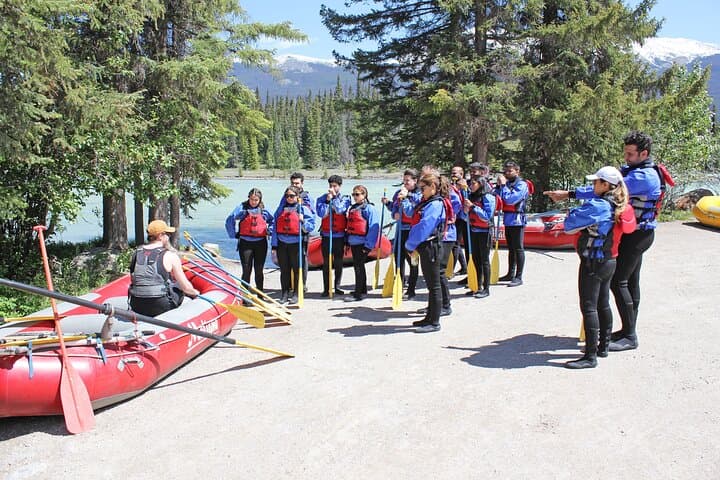
Practically, this trip is built for familiarity. No prior whitewater skills are required; guides provide instruction, lifejackets, wetsuits, neoprene booties and splash jackets. Expect about 90 minutes on-water inside a two-hour window for the full meet-to-farewell schedule. Children five and up can join, and anyone under 18 must be accompanied by an adult. Dress in a swimsuit beneath street clothes, bring a warm fleece or wool layer for after the run (no cotton), and plan to sign waivers 15 minutes before departure at the Maligne Rafting trailer on Connaught Drive.
Timing matters: early in the summer the river is colder and swifter as the icefields melt; by late summer flows ease and the water warms a touch. Guides will configure rafts by group size, and because this run operates in most weather, layers and a sense of adventure are the best packing items.
If you want the short version: it’s safe, splashy, and scenically generous — the kind of family-friendly whitewater that invites you to play in a glacial river while a guide points out rocks, history and the next fun rapid.
easy.
2 hours.
Suitable for most fitness levels; you should be able to sit and brace for short paddling bursts and follow guide instructions.
The on-water section covers roughly five miles and typically lasts about 90 minutes within a two-hour tour window.
This stretch is Class II — splashy and fun but suitable for beginners and families with children aged five and up.
No — no experience is necessary. Guides provide instruction, safety briefing, and all technical gear.
Guides supply wetsuits, splash jackets, neoprene booties and lifejackets; bring a swimsuit, towel, warm layer for afterwards, and a snack/drink.
Children five and older may participate; minors must be accompanied by an adult and guides seat families appropriately for safety.
Trips run in most weather conditions; guides are experienced and will adjust plans for safety, but organizers reserve the right to cancel for extreme conditions.
The Athabasca River was an important travel and trade corridor for Indigenous peoples and later fur traders; its Canadian Heritage River status recognizes both natural and cultural value.
Glacial retreat and seasonal flow variation affect the river; stick to designated launch points, pack out trash, and avoid approaching wildlife to minimize impact.
Maligne Adventures operates guided outdoor trips and adventures with an emphasis on safety, stewardship, and memorable experiences.
The first thing the river does is laugh — a steady, tumbling chuckle as it runs past exposed bedrock and old-growth pines. Standing at the public parking lot on Connaught Drive in Jasper, you can already hear it: the Athabasca pulling itself down from the icefields, impatient and bright. In a half hour you’ll be on a wide, five-mile corridor known locally as the Expressway, where soft, splashy Class II rapids punctuate long floating stretches that let the mountains and the air set the tempo.
The first thing the river does is laugh — a steady, tumbling chuckle as it runs past exposed bedrock and old-growth pines. Standing at the public parking lot on Connaught Drive in Jasper, you can already hear it: the Athabasca pulling itself down from the icefields, impatient and bright. In a half hour you’ll be on a wide, five-mile corridor known locally as the Expressway, where soft, splashy Class II rapids punctuate long floating stretches that let the mountains and the air set the tempo.
The Athabasca is glacial at its head and ancient in its stories. Designated a Canadian Heritage River, it carried Indigenous peoples and later fur traders through this part of the Rockies; the channel you paddle today still follows that carved line through a valley of folded sedimentary rocks and spruce stands. Geologically, the river slices through Pleistocene deposits and glacial till, revealing banded cliffs and smooth, water-polished outcrops that mark cycles of ice and melt.
Culturally, Jasper National Park is quietly busy — tourism here respects scale. The guide teams that run this trip have worked the river for decades, blending safety with a local eye for wildlife: moose browsing willows, osprey circling, and sometimes black bears scenting the riverbanks. The Expressway’s nickname is apt; it’s a broad, fast-moving reach of river that still leaves room for picnic stops, riverbank stretches, and a slow, panoramic float under alpine ridgelines.
Practically, this trip is built for familiarity. No prior whitewater skills are required; guides provide instruction, lifejackets, wetsuits, neoprene booties and splash jackets. Expect about 90 minutes on-water inside a two-hour window for the full meet-to-farewell schedule. Children five and up can join, and anyone under 18 must be accompanied by an adult. Dress in a swimsuit beneath street clothes, bring a warm fleece or wool layer for after the run (no cotton), and plan to sign waivers 15 minutes before departure at the Maligne Rafting trailer on Connaught Drive.
Timing matters: early in the summer the river is colder and swifter as the icefields melt; by late summer flows ease and the water warms a touch. Guides will configure rafts by group size, and because this run operates in most weather, layers and a sense of adventure are the best packing items.
If you want the short version: it’s safe, splashy, and scenically generous — the kind of family-friendly whitewater that invites you to play in a glacial river while a guide points out rocks, history and the next fun rapid.