THE ADVENTURE COLLECTIVE® · Independent discovery and booking for outdoor travel

Short, transportive tour from Baku to the fire temple of Ateshgah and the natural blaze of Yanar Dag. Learn the history of worship and the geology that feeds these 'eternal' flames while enjoying easy walks and guided interpretation.
Short, transportive tour from Baku to the fire temple of Ateshgah and the natural blaze of Yanar Dag. Learn the history of worship and the geology that feeds these 'eternal' flames while enjoying easy walks and guided interpretation.
You arrive from Baku along the low, wind-scoured Absheron plain and the ground itself seems to breathe: small columns of flame lick at the hillside and a stone courtyard rings with echoes of old prayers. At Ateshgah you stand in a square of ash-streaked stone where pilgrims once circled a central altar; at Yanar Dag a grassy slope carries a steady, natural flame fed by subterranean gas.
Verified experiences and guided adventures in the surrounding area.
Operated by Baku Explorer · Baku, Baku
You arrive from Baku along the low, wind-scoured Absheron plain and the ground itself seems to breathe: small columns of flame lick at the hillside and a stone courtyard rings with echoes of old prayers. At Ateshgah you stand in a square of ash-streaked stone where pilgrims once circled a central altar; at Yanar Dag a grassy slope carries a steady, natural flame fed by subterranean gas.
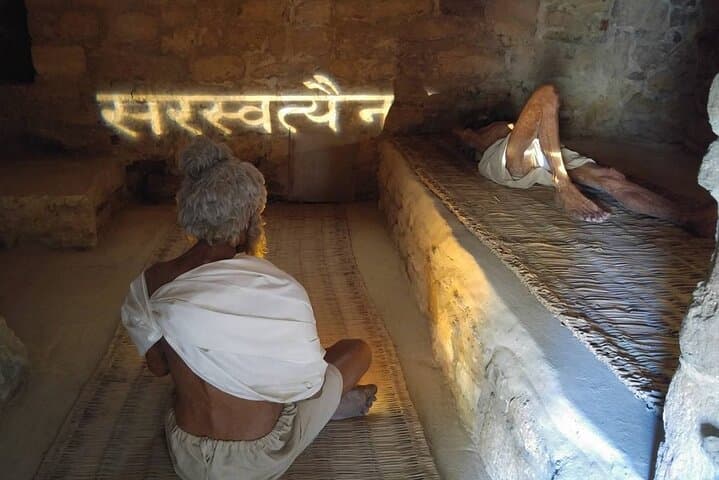
Both sites tell the same basic story in different registers — geology meeting belief. Ateshgah served Sikh and Hindu fire-worshippers and later residents interpreted it through Zoroastrian imagery; its pentagonal temple and Sanskrit inscriptions date to the 17th–19th centuries. Yanar Dag is a geological demonstration: porous rock and escaping methane create a persistent blaze that locals noted for centuries. Together they map human responses to an energetic landscape: camps, altars, and later protective platforms for visitors.
Expect short walks on packed dirt and stone, open exposure to wind and sun, and close-up views of sustained natural flames. Guides typically provide historical context, point out inscriptions and gas vents, and manage logistics between sites — transport and entrance are usually included on this short 3-hour loop.
Practical edge: wear sturdy shoes for uneven stone, bring sun protection and water, and keep a safe distance from vents and flame edges. Visits are best in late afternoon light for photography, but flames are visible anytime. Note health advisories for pregnant travelers and those with cardiovascular issues; the tour requires a moderate fitness level for brief walking and standing periods.
moderate.
3 hours.
Light to moderate fitness—able to walk short distances and stand for guided interpretation
Yes — the standard tour price typically includes entrance to both Ateshgah and Yanar Dag as well as local guide fees and transport.
Ateshgah and Yanar Dag sit roughly 20–35 km east of Baku city center; travel time varies by pickup location and traffic, typically 30–45 minutes each way.
Yes — photography is allowed at both sites; avoid using tripods in crowded areas and don’t approach vents for closer shots.
This provider advises against participation for pregnant travelers and those with serious cardiovascular conditions due to uneven ground and exposure; check with your doctor and the operator before booking.
Ateshgah was used by Hindu and Sikh pilgrims and includes inscriptions and structural elements from the 17th–19th centuries; Yanar Dag’s flame has been documented in travel accounts for centuries.
Both sites are managed to protect visitors and stabilize archaeological fabric; visitors are asked to stay on paths and avoid disturbing gas vents to minimize impacts.
Baku Explorer operates guided outdoor trips and adventures with an emphasis on safety, stewardship, and memorable experiences.
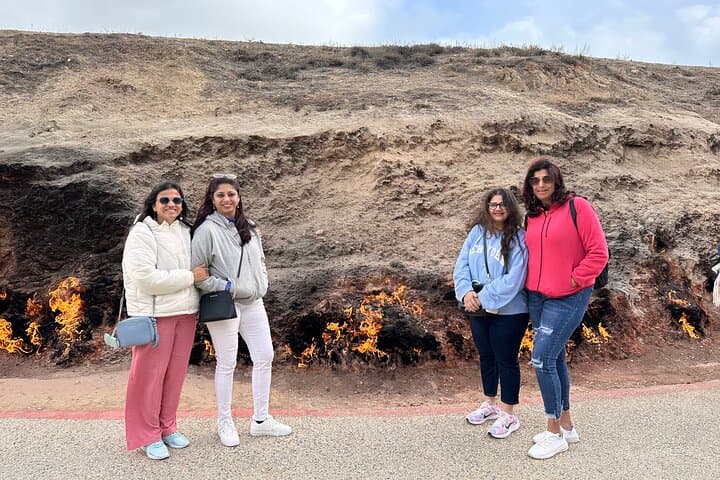
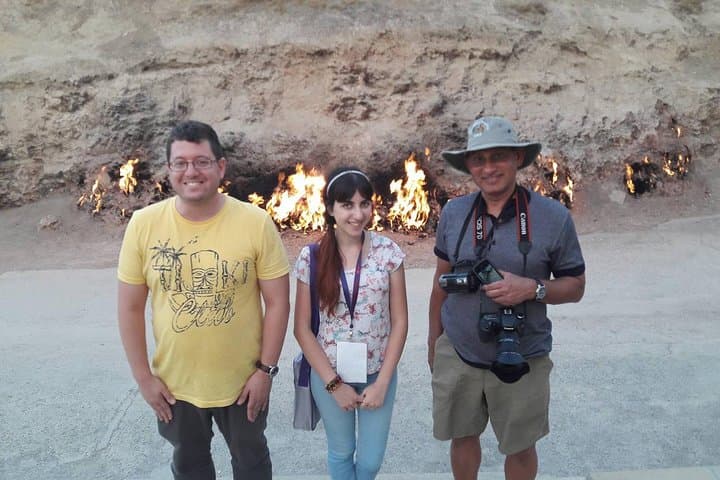
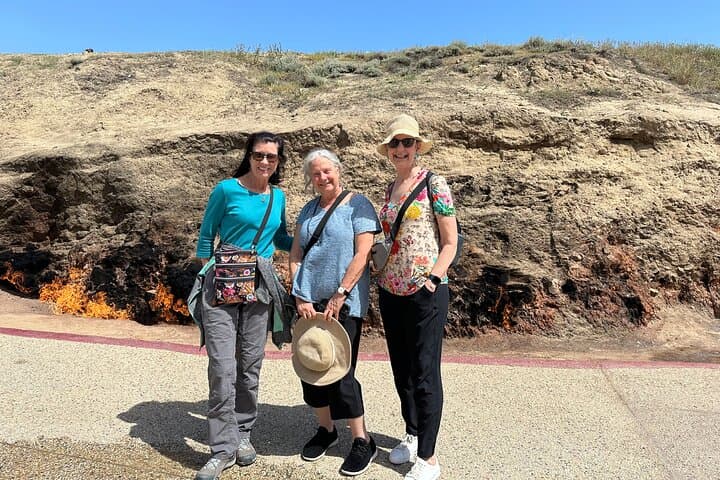
You arrive from Baku along the low, wind-scoured Absheron plain and the ground itself seems to breathe: small columns of flame lick at the hillside and a stone courtyard rings with echoes of old prayers. At Ateshgah you stand in a square of ash-streaked stone where pilgrims once circled a central altar; at Yanar Dag a grassy slope carries a steady, natural flame fed by subterranean gas.
You arrive from Baku along the low, wind-scoured Absheron plain and the ground itself seems to breathe: small columns of flame lick at the hillside and a stone courtyard rings with echoes of old prayers. At Ateshgah you stand in a square of ash-streaked stone where pilgrims once circled a central altar; at Yanar Dag a grassy slope carries a steady, natural flame fed by subterranean gas.
Both sites tell the same basic story in different registers — geology meeting belief. Ateshgah served Sikh and Hindu fire-worshippers and later residents interpreted it through Zoroastrian imagery; its pentagonal temple and Sanskrit inscriptions date to the 17th–19th centuries. Yanar Dag is a geological demonstration: porous rock and escaping methane create a persistent blaze that locals noted for centuries. Together they map human responses to an energetic landscape: camps, altars, and later protective platforms for visitors.
Expect short walks on packed dirt and stone, open exposure to wind and sun, and close-up views of sustained natural flames. Guides typically provide historical context, point out inscriptions and gas vents, and manage logistics between sites — transport and entrance are usually included on this short 3-hour loop.
Practical edge: wear sturdy shoes for uneven stone, bring sun protection and water, and keep a safe distance from vents and flame edges. Visits are best in late afternoon light for photography, but flames are visible anytime. Note health advisories for pregnant travelers and those with cardiovascular issues; the tour requires a moderate fitness level for brief walking and standing periods.