THE ADVENTURE COLLECTIVE® · Independent discovery and booking for outdoor travel

Experience the Atacama sky through high-end telescopes and the lens of Andean archaeoastronomy. This 2.5-hour night tour combines computerized optics, cultural storytelling, and practical guidance for cold, high-altitude nights.
Experience the Atacama sky through high-end telescopes and the lens of Andean archaeoastronomy. This 2.5-hour night tour combines computerized optics, cultural storytelling, and practical guidance for cold, high-altitude nights.
The desert night opens like a slow, black ocean above San Pedro de Atacama — cold air that bites, a sky so sharp the Milky Way seems to slice across the dome. You step from the van, feel the wind push at your jacket, and direction comes from the beam of a laser pointer tracing constellations above an expert guide.
Verified experiences and guided adventures in the surrounding area.
Operated by Layana Travel · San Pedro de Atacama, Antofagasta Region
The desert night opens like a slow, black ocean above San Pedro de Atacama — cold air that bites, a sky so sharp the Milky Way seems to slice across the dome. You step from the van, feel the wind push at your jacket, and direction comes from the beam of a laser pointer tracing constellations above an expert guide.
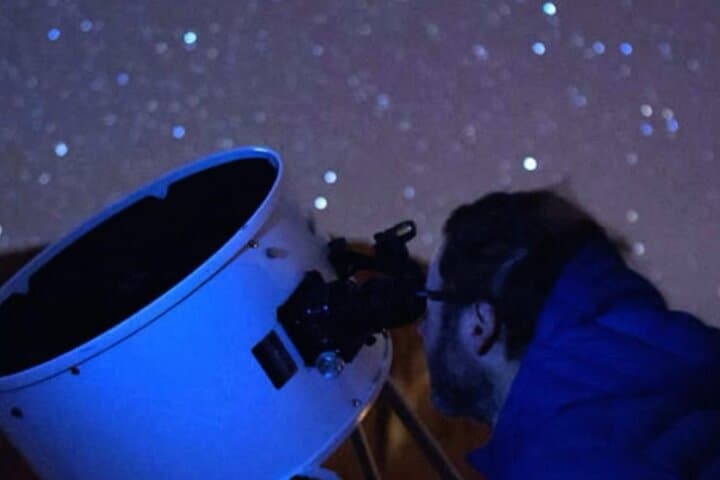
This is more than a telescope show. In the high-altitude plateau where minimal light pollution meets stable, dry air, guides pair computerized and manual telescopes with Andean archaeoastronomy: local stories and indigenous sky knowledge that place Jupiter, Scorpius, or the Magellanic Clouds into cultural context. Geology matters here too — the age and composition of the Atacama’s salt flats and volcanic horizons shape microclimates that make exceptional seeing.
Expect planets, clusters, and distant galaxies depending on season and timing, with short interpretive talks connecting celestial objects to pre-Columbian calendars. The experience runs about 2.5 hours, includes private transport from town and light snacks, and is suitable for most fitness levels.
Practically: dress in insulated layers, bring a headlamp with a red filter, and keep movements slow around telescopes. Nighttime temperatures and wind are the dominant factors; plan arrival logistics in San Pedro itself and allow time for altitude acclimatization if coming from sea level. The tour balances awe and explanation — it’s ideal for travelers who want clear views of the southern sky and a grounded cultural reading of what those stars have meant here for centuries.
easy.
2–2.5 hours.
Light activity; able to stand and walk on flat ground for short periods. Suitable for most fitness levels.
Nighttime temperatures often drop below freezing, especially in winter; expect wind and bring insulated layers, gloves and a hat.
Yes—guides usually allow astrophotography but ask that you follow instructions; bring a tripod and adapter if you plan to use your camera or phone.
The tour is family-friendly and rated easy physically, but those sensitive to cold or altitude should prepare and consult guides about mobility needs.
The operator may cancel for poor visibility or high winds; their policy allows full refund if canceled at least 24 hours before departure or if the tour is called off due to weather.
Local Atacameño communities used star patterns for seasonal calendars and agricultural timing; guides often reference these ancestral sky readings.
Operators stress low-light discipline to protect dark-sky quality; stay on designated paths and avoid flash photography near equipment.
Layana Travel operates guided outdoor trips and adventures with an emphasis on safety, stewardship, and memorable experiences.
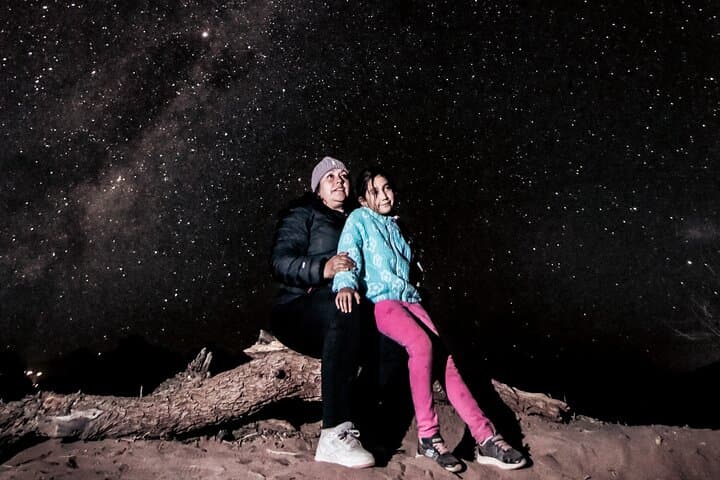
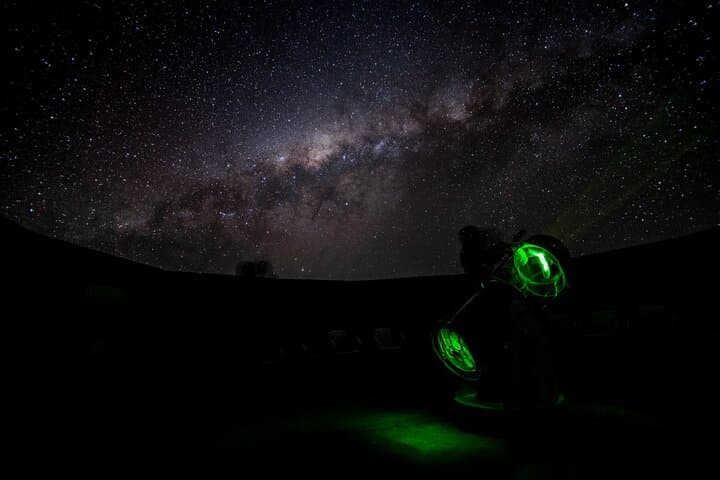
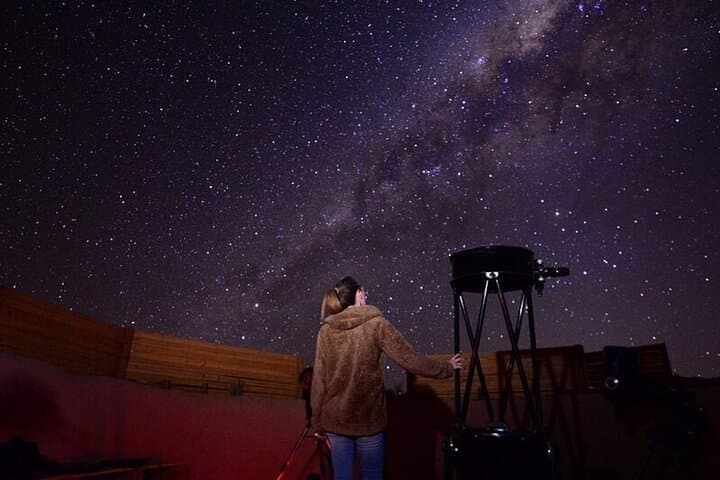
The desert night opens like a slow, black ocean above San Pedro de Atacama — cold air that bites, a sky so sharp the Milky Way seems to slice across the dome. You step from the van, feel the wind push at your jacket, and direction comes from the beam of a laser pointer tracing constellations above an expert guide.
The desert night opens like a slow, black ocean above San Pedro de Atacama — cold air that bites, a sky so sharp the Milky Way seems to slice across the dome. You step from the van, feel the wind push at your jacket, and direction comes from the beam of a laser pointer tracing constellations above an expert guide.
This is more than a telescope show. In the high-altitude plateau where minimal light pollution meets stable, dry air, guides pair computerized and manual telescopes with Andean archaeoastronomy: local stories and indigenous sky knowledge that place Jupiter, Scorpius, or the Magellanic Clouds into cultural context. Geology matters here too — the age and composition of the Atacama’s salt flats and volcanic horizons shape microclimates that make exceptional seeing.
Expect planets, clusters, and distant galaxies depending on season and timing, with short interpretive talks connecting celestial objects to pre-Columbian calendars. The experience runs about 2.5 hours, includes private transport from town and light snacks, and is suitable for most fitness levels.
Practically: dress in insulated layers, bring a headlamp with a red filter, and keep movements slow around telescopes. Nighttime temperatures and wind are the dominant factors; plan arrival logistics in San Pedro itself and allow time for altitude acclimatization if coming from sea level. The tour balances awe and explanation — it’s ideal for travelers who want clear views of the southern sky and a grounded cultural reading of what those stars have meant here for centuries.