THE ADVENTURE COLLECTIVE® · Independent discovery and booking for outdoor travel

Ride the world’s fastest elevator to the Burj Khalifa’s 124th and 125th observation decks for sweeping 360° views of Dubai, the Dubai Fountain, and the desert beyond. This concise guide covers what to expect, practical tips, and the best times to visit.
Ride the world’s fastest elevator to the Burj Khalifa’s 124th and 125th observation decks for sweeping 360° views of Dubai, the Dubai Fountain, and the desert beyond. This concise guide covers what to expect, practical tips, and the best times to visit.
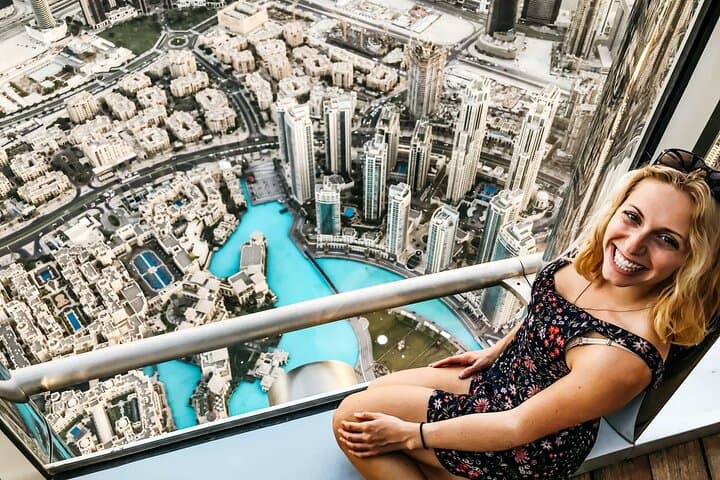
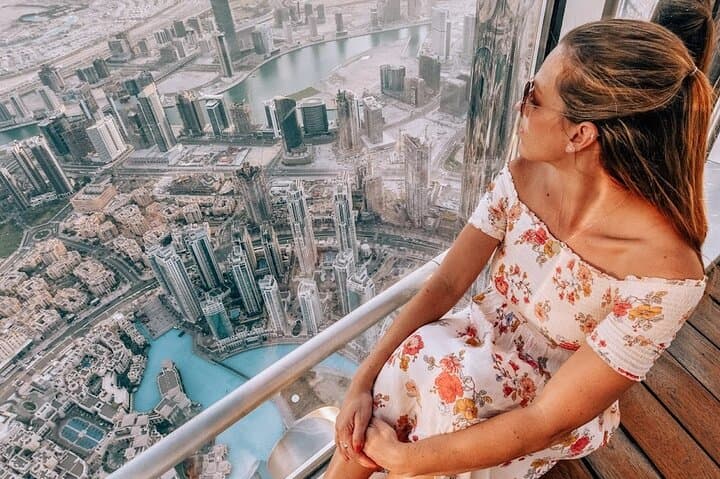
A breeze of cooled air washes over you as the elevator doors part; daylight floods a room 452 meters above the city and the skyline unfolds like a city map made three-dimensional. From the 124th and 125th levels of the Burj Khalifa, Dubai’s geometry—water, glass, sand—reads at a scale that demands reconsideration of distance and detail.
Verified experiences and guided adventures in the surrounding area.
Operated by holidayys.ae · Dubai, Dubai
A breeze of cooled air washes over you as the elevator doors part; daylight floods a room 452 meters above the city and the skyline unfolds like a city map made three-dimensional. From the 124th and 125th levels of the Burj Khalifa, Dubai’s geometry—water, glass, sand—reads at a scale that demands reconsideration of distance and detail.
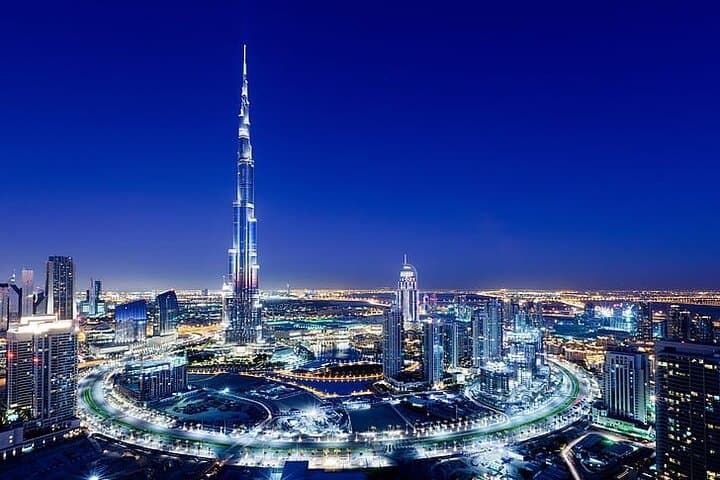
The Burj Khalifa opened in 2010 after a construction campaign that began in 2004, designed by Adrian Smith of SOM and inspired by regional architectural motifs and desert forms. The tower’s reinforced concrete core and stepped setbacks taper to a needle-like crown, an achievement of modern engineering that reshaped Dubai’s coastline and cultural identity.
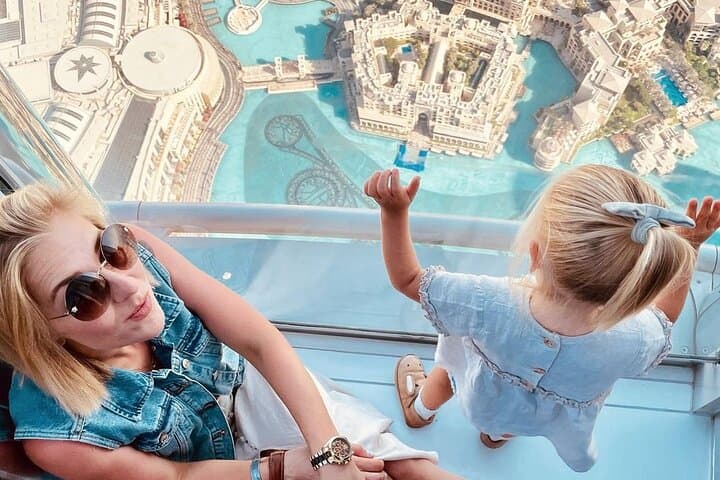
Visitors rotate between interpretation displays, a multimedia overview of the emirate’s boom, and an open-air terrace where wind and sunlight give the city a tactile presence. You’ll see the Dubai Fountain’s choreography, the grid of Sheikh Zayed Road, and the pale sweep of the desert beyond the built edge.
Practical notes: tickets typically allow 60–120 minutes on site; there is wheelchair access and security screening. Peak light for photography is early morning or sunset; midday brings heat haze and crowds. Public transit (Dubai Metro + brief walk) is the most efficient entry route; all sales are final, so plan around weather and schedule. Bring a camera, a light layer against the chilled indoor air, and time your visit to match the city’s shifting light—this is an urban viewpoint that still manages to feel like a climb.
easy.
1–2 hours.
Suitable for all fitness levels; minimal walking and elevator access.
Typical visits are 60–120 minutes depending on your ticket; timed entry slots control visitor flow so plan for about an hour.
Yes—there is step-free access and elevators to the observation decks; notify in booking if you need special assistance.
Photography for personal use is allowed; tripods and professional equipment may be restricted—check on-site rules before using them.
Yes—the decks provide excellent aerial views of the Dubai Fountain; confirm show times and align your visit with the performance for the best experience.
Completed in 2010 after a build that began in 2004, the Burj Khalifa was designed by SOM and catalyzed Dubai’s rapid urban expansion.
Visitors are encouraged to use public transit and minimize single-use plastics; Dubai’s water features operate with intensive recycling systems to reduce freshwater demand.
holidayys.ae operates guided outdoor trips and adventures with an emphasis on safety, stewardship, and memorable experiences.
A breeze of cooled air washes over you as the elevator doors part; daylight floods a room 452 meters above the city and the skyline unfolds like a city map made three-dimensional. From the 124th and 125th levels of the Burj Khalifa, Dubai’s geometry—water, glass, sand—reads at a scale that demands reconsideration of distance and detail.
A breeze of cooled air washes over you as the elevator doors part; daylight floods a room 452 meters above the city and the skyline unfolds like a city map made three-dimensional. From the 124th and 125th levels of the Burj Khalifa, Dubai’s geometry—water, glass, sand—reads at a scale that demands reconsideration of distance and detail.
The Burj Khalifa opened in 2010 after a construction campaign that began in 2004, designed by Adrian Smith of SOM and inspired by regional architectural motifs and desert forms. The tower’s reinforced concrete core and stepped setbacks taper to a needle-like crown, an achievement of modern engineering that reshaped Dubai’s coastline and cultural identity.
Visitors rotate between interpretation displays, a multimedia overview of the emirate’s boom, and an open-air terrace where wind and sunlight give the city a tactile presence. You’ll see the Dubai Fountain’s choreography, the grid of Sheikh Zayed Road, and the pale sweep of the desert beyond the built edge.
Practical notes: tickets typically allow 60–120 minutes on site; there is wheelchair access and security screening. Peak light for photography is early morning or sunset; midday brings heat haze and crowds. Public transit (Dubai Metro + brief walk) is the most efficient entry route; all sales are final, so plan around weather and schedule. Bring a camera, a light layer against the chilled indoor air, and time your visit to match the city’s shifting light—this is an urban viewpoint that still manages to feel like a climb.