THE ADVENTURE COLLECTIVE® · Independent discovery and booking for outdoor travel

Ride the world’s fastest elevator to 124–125 and take in sweeping views of Dubai, the desert, and the Persian Gulf. This guide covers what to expect, when to go, and practical tips for a smoother visit.
Ride the world’s fastest elevator to 124–125 and take in sweeping views of Dubai, the desert, and the Persian Gulf. This guide covers what to expect, when to go, and practical tips for a smoother visit.
Standing in the elevator as it rockets upward, the city peels away beneath you: highways shrink, rooftop pools become coins, and the desert pushes a pale horizon toward the skyline. At the 124th and 125th floors of Burj Khalifa, Dubai’s geometry opens into an uncompromising panorama—glass, sand, and sea spread in measured planes while the wind on the terrace nudges you to look farther.
Verified experiences and guided adventures in the surrounding area.
Operated by Luxury Travel · Dubai, Dubai
Standing in the elevator as it rockets upward, the city peels away beneath you: highways shrink, rooftop pools become coins, and the desert pushes a pale horizon toward the skyline. At the 124th and 125th floors of Burj Khalifa, Dubai’s geometry opens into an uncompromising panorama—glass, sand, and sea spread in measured planes while the wind on the terrace nudges you to look farther.
Designed by Adrian Smith and completed in 2010, Burj Khalifa redefined modern skylines at 829 meters and anchored Dubai’s rapid urban story. The tower sits on Pleistocene coastal plain sands; its stepped concrete and steel spire was engineered to resist desert gusts, while Downtown Dubai’s plazas reflect a planned city culture where spectacle meets commerce.
Visitors experience two vantage levels with telescopes and interpretive panels that explain building design and the city below; the ground-level café offers a complimentary soft drink or pastry to finish the visit. The setting is part urban observation, part lesson in human scale—how engineering, capital, and climate converged here.
Practical guidance: book timed tickets to avoid queues and aim for sunset for changing light and cooler air; arrive early if you need elevators with fewer crowds. Security and bag checks are standard; wheelchairs and strollers are accommodated. Wear sturdy shoes for the indoor stair sections and bring a camera with a zoom—telescopes are fixed and shared. Public transit (Dubai Metro) and pedestrian bridges make Downtown easy to reach. For a lighter footprint, use transit, carry a reusable bottle, and keep visits to an hour or two to reduce congestion during peak times.
easy.
1–3 hours.
Accessible to most visitors; requires moderate mobility for short indoor walking and standing.
Expect 60–180 minutes depending on crowd levels and whether you visit both indoor levels and the outdoor terrace.
This product is sold as final sale; check the operator’s policy—no refunds for cancellations are available.
Yes—both the deck and ground-level areas accommodate wheelchairs and strollers; notify staff of special assistance needs.
Admission includes one soft drink, water, or a pastry at the ground-level café (energy drinks excluded).
Completed in 2010 and designed by Skidmore, Owings & Merrill alumnus Adrian Smith, Burj Khalifa became the world’s tallest building and a focal point of Dubai’s rapid expansion.
High visitor numbers and urban lighting affect local energy use and bird movement; favor public transit, avoid single-use plastics, and follow site rules to minimize impact.
Luxury Travel operates guided outdoor trips and adventures with an emphasis on safety, stewardship, and memorable experiences.
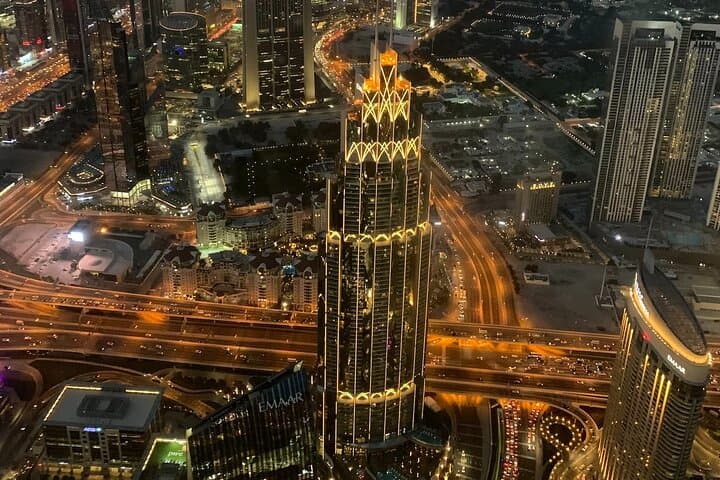
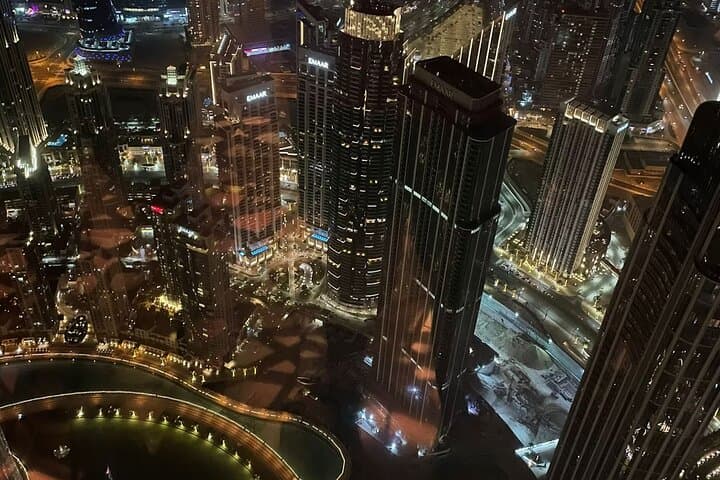
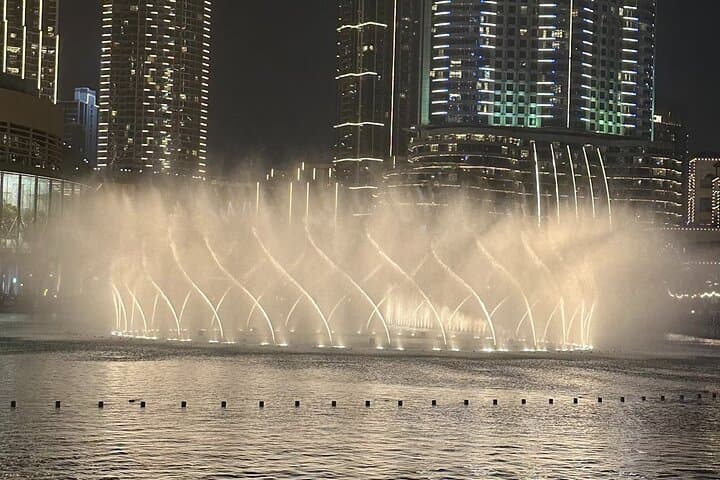
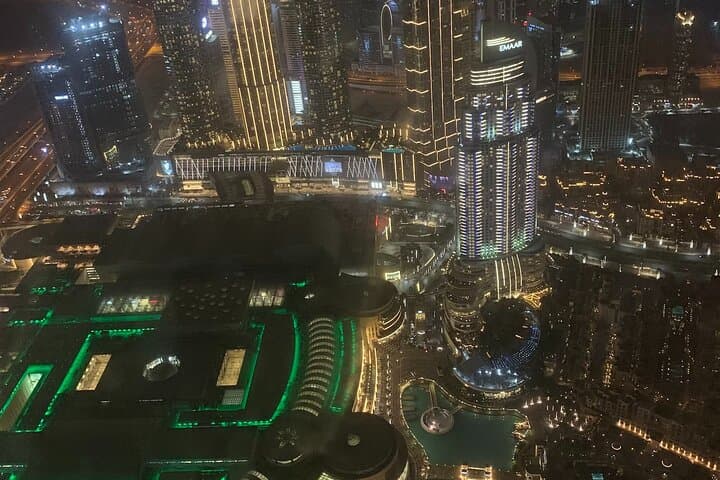
Standing in the elevator as it rockets upward, the city peels away beneath you: highways shrink, rooftop pools become coins, and the desert pushes a pale horizon toward the skyline. At the 124th and 125th floors of Burj Khalifa, Dubai’s geometry opens into an uncompromising panorama—glass, sand, and sea spread in measured planes while the wind on the terrace nudges you to look farther.
Standing in the elevator as it rockets upward, the city peels away beneath you: highways shrink, rooftop pools become coins, and the desert pushes a pale horizon toward the skyline. At the 124th and 125th floors of Burj Khalifa, Dubai’s geometry opens into an uncompromising panorama—glass, sand, and sea spread in measured planes while the wind on the terrace nudges you to look farther.
Designed by Adrian Smith and completed in 2010, Burj Khalifa redefined modern skylines at 829 meters and anchored Dubai’s rapid urban story. The tower sits on Pleistocene coastal plain sands; its stepped concrete and steel spire was engineered to resist desert gusts, while Downtown Dubai’s plazas reflect a planned city culture where spectacle meets commerce.
Visitors experience two vantage levels with telescopes and interpretive panels that explain building design and the city below; the ground-level café offers a complimentary soft drink or pastry to finish the visit. The setting is part urban observation, part lesson in human scale—how engineering, capital, and climate converged here.
Practical guidance: book timed tickets to avoid queues and aim for sunset for changing light and cooler air; arrive early if you need elevators with fewer crowds. Security and bag checks are standard; wheelchairs and strollers are accommodated. Wear sturdy shoes for the indoor stair sections and bring a camera with a zoom—telescopes are fixed and shared. Public transit (Dubai Metro) and pedestrian bridges make Downtown easy to reach. For a lighter footprint, use transit, carry a reusable bottle, and keep visits to an hour or two to reduce congestion during peak times.