THE ADVENTURE COLLECTIVE® · Independent discovery and booking for outdoor travel

Ascend in one of the world’s fastest elevators to panoramic views from Burj Khalifa's 124th and 125th floors. This guide covers what you'll see, its context, and practical tips for a smooth visit.
Ascend in one of the world’s fastest elevators to panoramic views from Burj Khalifa's 124th and 125th floors. This guide covers what you'll see, its context, and practical tips for a smooth visit.
Stepping into the Burj Khalifa elevator feels like being folded into the city's vertical heartbeat. In less than a minute you rise past glass and steel; the skyline expands and the desert pushes the city outward like a tide. On levels 124 and 125, floor-to-ceiling glass and an open-air terrace deliver a 360° perspective of Dubai — the creek, the Persian Gulf, and the geometric lattice of roads below that seem to rearrange with the sun.
Verified experiences and guided adventures in the surrounding area.
Operated by Mona Tourism LLC · Dubai, Dubai
Stepping into the Burj Khalifa elevator feels like being folded into the city's vertical heartbeat. In less than a minute you rise past glass and steel; the skyline expands and the desert pushes the city outward like a tide. On levels 124 and 125, floor-to-ceiling glass and an open-air terrace deliver a 360° perspective of Dubai — the creek, the Persian Gulf, and the geometric lattice of roads below that seem to rearrange with the sun.
The tower opened in 2010 as the crown of Downtown Dubai, a project by Emaar Properties with design work from Adrian Smith. Geologically the view emphasizes contrasts: reclaimed coastal plains give way to dunescapes, and the city's grids sit atop ancient marine flats. Culturally the Burj is both a symbol of rapid urban transformation and a public focal point for national celebrations; the observation decks reflect that civic role by providing telescopes, displays, and a small museum-like presentation about the building's engineering.
Practically, plan for security and crowds: tickets are mobile and time-specific, and the ascent uses one of the world’s fastest lifts. Peak light is at golden hour — expect glare and increased visitor numbers. Accessibility is straightforward; strollers and elevators are accommodated, but the site advises caution for guests with spinal, heart, or pregnancy concerns. Combine your visit with the Dubai Fountain show or a walk through Burj Park to ground the aerial view with street-level details. Bring a charged camera, stay hydrated in summer, and allow 45–75 minutes to move through entry, viewing, and the souvenir area.
easy.
45–75 minutes.
Suitable for all fitness levels; minimal walking and elevator access make it broadly accessible.
Tickets are mobile-friendly and time-specific; printouts are accepted but mobile scanning is standard.
Yes—stroller and wheelchair access are provided; elevators and accessible routes connect the entry to the viewing levels.
Yes—there is an open-air terrace on the observation levels, though access can be limited during high winds or maintenance.
For a full refund you must cancel at least 24 hours before the scheduled time; last-minute cancellations are non-refundable.
Completed in 2010, Burj Khalifa anchored Emaar’s Downtown Dubai master plan and became the world’s tallest structure, designed to showcase modern engineering and urban ambition.
High visitor numbers require staying on designated routes and using public transit; the site encourages sustainable access via metro and pedestrian links.
Mona Tourism LLC operates guided outdoor trips and adventures with an emphasis on safety, stewardship, and memorable experiences.
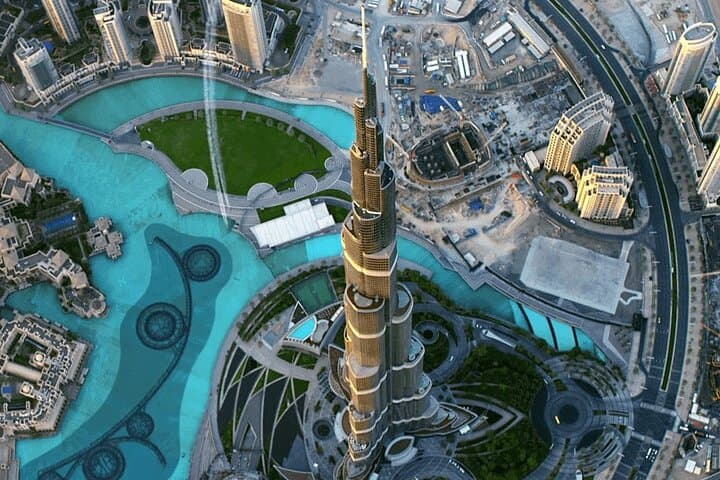
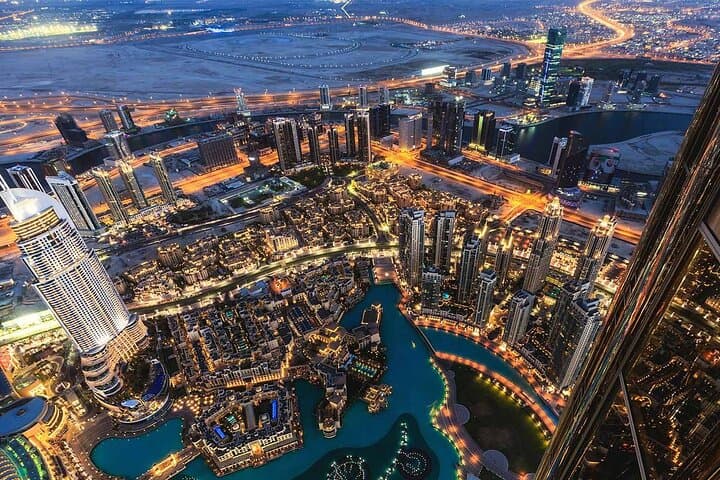
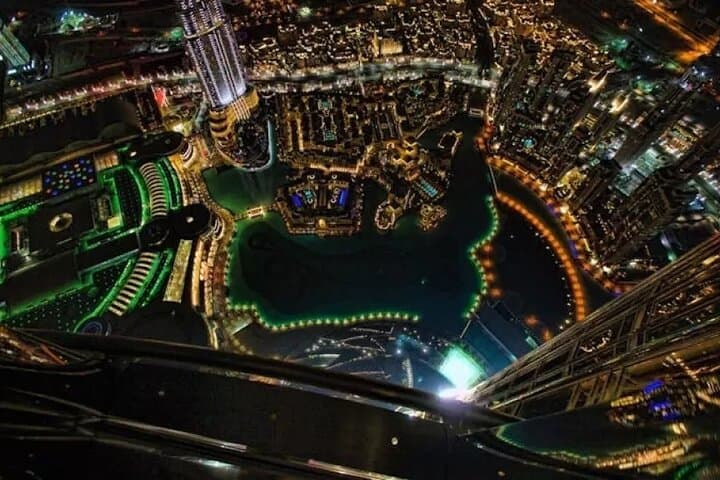
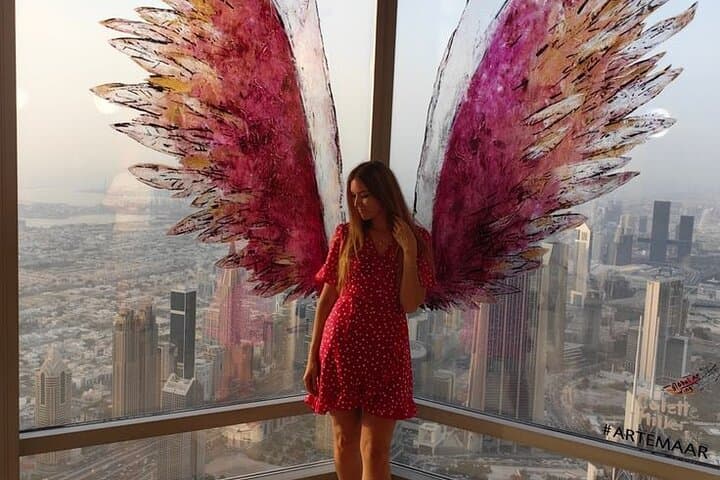
Stepping into the Burj Khalifa elevator feels like being folded into the city's vertical heartbeat. In less than a minute you rise past glass and steel; the skyline expands and the desert pushes the city outward like a tide. On levels 124 and 125, floor-to-ceiling glass and an open-air terrace deliver a 360° perspective of Dubai — the creek, the Persian Gulf, and the geometric lattice of roads below that seem to rearrange with the sun.
Stepping into the Burj Khalifa elevator feels like being folded into the city's vertical heartbeat. In less than a minute you rise past glass and steel; the skyline expands and the desert pushes the city outward like a tide. On levels 124 and 125, floor-to-ceiling glass and an open-air terrace deliver a 360° perspective of Dubai — the creek, the Persian Gulf, and the geometric lattice of roads below that seem to rearrange with the sun.
The tower opened in 2010 as the crown of Downtown Dubai, a project by Emaar Properties with design work from Adrian Smith. Geologically the view emphasizes contrasts: reclaimed coastal plains give way to dunescapes, and the city's grids sit atop ancient marine flats. Culturally the Burj is both a symbol of rapid urban transformation and a public focal point for national celebrations; the observation decks reflect that civic role by providing telescopes, displays, and a small museum-like presentation about the building's engineering.
Practically, plan for security and crowds: tickets are mobile and time-specific, and the ascent uses one of the world’s fastest lifts. Peak light is at golden hour — expect glare and increased visitor numbers. Accessibility is straightforward; strollers and elevators are accommodated, but the site advises caution for guests with spinal, heart, or pregnancy concerns. Combine your visit with the Dubai Fountain show or a walk through Burj Park to ground the aerial view with street-level details. Bring a charged camera, stay hydrated in summer, and allow 45–75 minutes to move through entry, viewing, and the souvenir area.