THE ADVENTURE COLLECTIVE® · Independent discovery and booking for outdoor travel

Ride a 30‑second elevator to one of the world's highest observation decks and read Dubai like a map. This guide covers what you'll actually see, how to plan your visit, and practical tips for timing, access, and gear.
Ride a 30‑second elevator to one of the world's highest observation decks and read Dubai like a map. This guide covers what you'll actually see, how to plan your visit, and practical tips for timing, access, and gear.
A fast elevator snaps visitors upward, glass panels blurring into a ribbon of sky; thirty seconds later the city unfolds beneath—streets shrink, the Dubai Fountain becomes an intricate pattern, and the Persian Gulf sits like a distant sheet of light. Levels 124 and 125 at the Burj Khalifa are built for that precise moment: to flatten the city into an expanse you can read at eye level.
Verified experiences and guided adventures in the surrounding area.
Operated by THINGS TO DO IN FZCO · Dubai, Dubai
A fast elevator snaps visitors upward, glass panels blurring into a ribbon of sky; thirty seconds later the city unfolds beneath—streets shrink, the Dubai Fountain becomes an intricate pattern, and the Persian Gulf sits like a distant sheet of light. Levels 124 and 125 at the Burj Khalifa are built for that precise moment: to flatten the city into an expanse you can read at eye level.
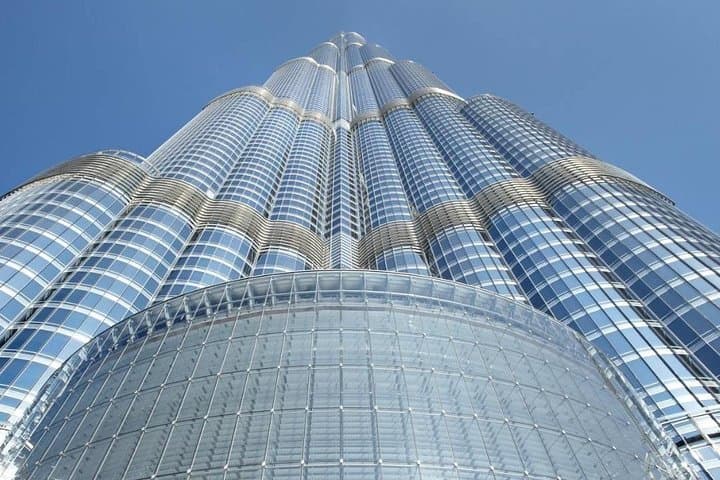
Opened in 2010 and designed by Skidmore, Owings & Merrill, the tower anchors Downtown Dubai and marks one end of the emirate’s rapid 21st-century transformation. The concrete and steel spire rises from reclaimed sand and coastal flats; from the deck you can trace the city’s growth lines—new islands, geometric highways, glass towers crowding an engineered coastline.
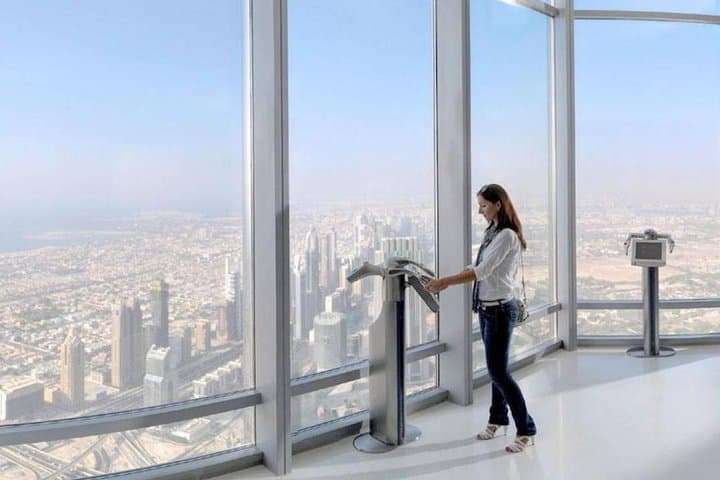
Culturally, the observation deck is as much a local meeting point as a tourist draw; the cafe on the ground floor offers a small discount for ticket holders, and multimedia displays on-site explain Dubai’s development ambitions. Practicalities are simple: tickets are mobile-friendly, the attraction provides Wi‑Fi and viewing telescopes, and the deck is wheelchair accessible.
For the best light, aim for sunrise or late afternoon; midday glare flattens distant detail. Security queues move steadily but bring ID and a charged phone for your mobile ticket. Wear comfortable shoes and a light layer—indoor AC and panoramic glass make temperature changes noticeable. Visits typically last around 90 minutes; give yourself extra time to descend and pause at the plaza or Burj Park below to frame the tower from ground level.
easy.
1–1.5 hours.
Suitable for all fitness levels; involves standing and walking on level surfaces.
The advertised duration is about 90 minutes, which covers time on levels 124 and 125 plus elevator transfers; allow extra time for security and plaza exploration.
This ticket is listed as all sales final—cancellations are non-refundable, so confirm dates before booking.
Yes. The attraction is wheelchair and stroller accessible with elevators and level viewing areas.
Downtown Dubai is served by the Dubai Metro (Burj Khalifa/Dubai Mall station) and buses; expect a short walk or shuttle from the metro to the mall and the tower entrance.
Completed in 2010 and designed by a Chicago firm, Burj Khalifa was part of Dubai’s plan to diversify its economy and showcase modern engineering on reclaimed coastal land.
The site manages large visitor flows to limit wear on the plaza and encourages waste sorting; visitors should avoid leaving litter and respect designated viewing areas.
THINGS TO DO IN FZCO operates guided outdoor trips and adventures with an emphasis on safety, stewardship, and memorable experiences.
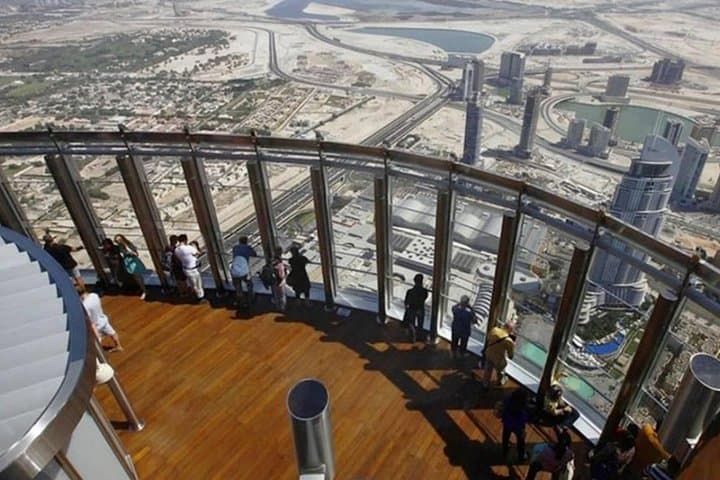
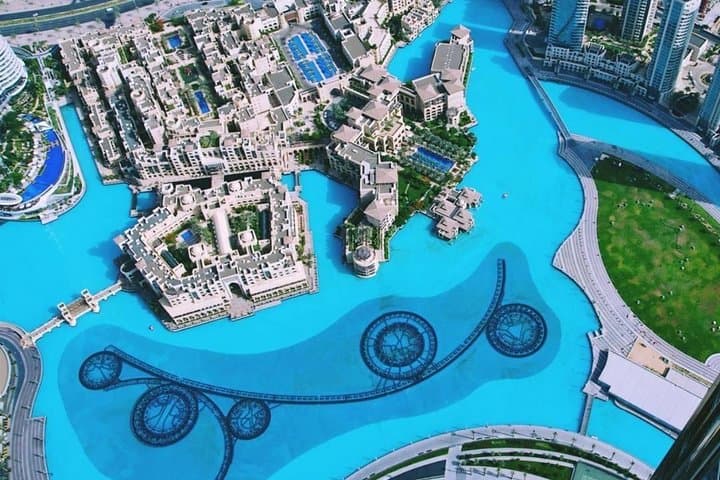
A fast elevator snaps visitors upward, glass panels blurring into a ribbon of sky; thirty seconds later the city unfolds beneath—streets shrink, the Dubai Fountain becomes an intricate pattern, and the Persian Gulf sits like a distant sheet of light. Levels 124 and 125 at the Burj Khalifa are built for that precise moment: to flatten the city into an expanse you can read at eye level.
A fast elevator snaps visitors upward, glass panels blurring into a ribbon of sky; thirty seconds later the city unfolds beneath—streets shrink, the Dubai Fountain becomes an intricate pattern, and the Persian Gulf sits like a distant sheet of light. Levels 124 and 125 at the Burj Khalifa are built for that precise moment: to flatten the city into an expanse you can read at eye level.
Opened in 2010 and designed by Skidmore, Owings & Merrill, the tower anchors Downtown Dubai and marks one end of the emirate’s rapid 21st-century transformation. The concrete and steel spire rises from reclaimed sand and coastal flats; from the deck you can trace the city’s growth lines—new islands, geometric highways, glass towers crowding an engineered coastline.
Culturally, the observation deck is as much a local meeting point as a tourist draw; the cafe on the ground floor offers a small discount for ticket holders, and multimedia displays on-site explain Dubai’s development ambitions. Practicalities are simple: tickets are mobile-friendly, the attraction provides Wi‑Fi and viewing telescopes, and the deck is wheelchair accessible.
For the best light, aim for sunrise or late afternoon; midday glare flattens distant detail. Security queues move steadily but bring ID and a charged phone for your mobile ticket. Wear comfortable shoes and a light layer—indoor AC and panoramic glass make temperature changes noticeable. Visits typically last around 90 minutes; give yourself extra time to descend and pause at the plaza or Burj Park below to frame the tower from ground level.