THE ADVENTURE COLLECTIVE® · Independent discovery and booking for outdoor travel

Ride the world’s fastest double-deck elevator to Levels 124 and 125 for 360° views of Dubai. This guide covers what to expect on the deck, how the site fits into Dubai’s history, and practical tips for timing and transit.
Ride the world’s fastest double-deck elevator to Levels 124 and 125 for 360° views of Dubai. This guide covers what to expect on the deck, how the site fits into Dubai’s history, and practical tips for timing and transit.
The doors slide shut and, in seconds, the city falls away: glass walls, a hum of acceleration and a horizon made of glass and sand. Arriving on Level 125 feels like stepping onto a metal promontory above the Arabian Gulf; the skyline reaches toward you while the streets shrink into a precise, sun-silvered grid.
Verified experiences and guided adventures in the surrounding area.
Operated by Rayna tourism LLC · Dubai, Dubai
The doors slide shut and, in seconds, the city falls away: glass walls, a hum of acceleration and a horizon made of glass and sand. Arriving on Level 125 feels like stepping onto a metal promontory above the Arabian Gulf; the skyline reaches toward you while the streets shrink into a precise, sun-silvered grid.
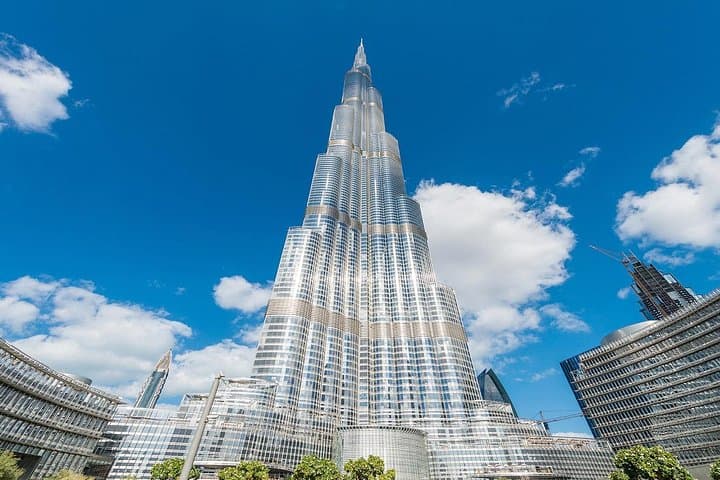
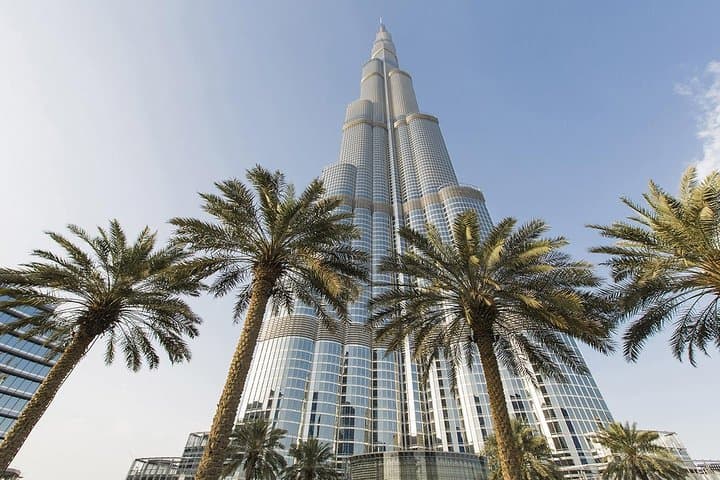
Burj Khalifa opened in 2010 as the focal point of Downtown Dubai, designed by Adrian Smith at Skidmore, Owings & Merrill during a period of explosive growth. The tower’s concrete and steel rise from reclaimed coastal flats and compacted sabkha, an engineered base that allowed engineers to build higher than anywhere else. Level 125 is finished in Arabic mashrabiya motifs that frame 360-degree sightlines; the experience pairs modern engineering with local visual culture.
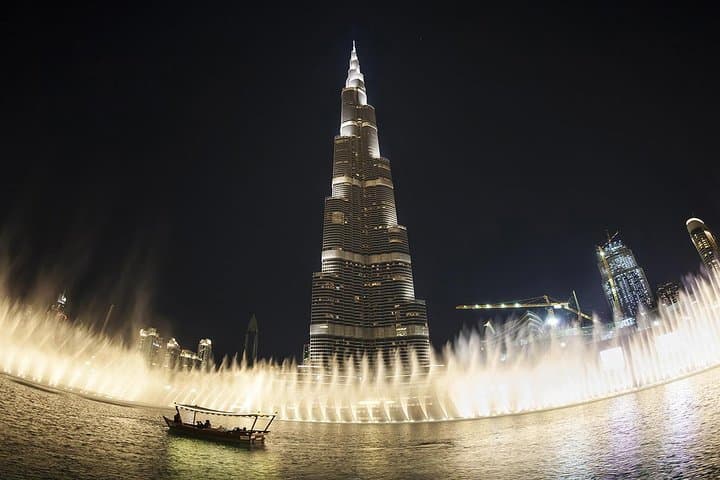
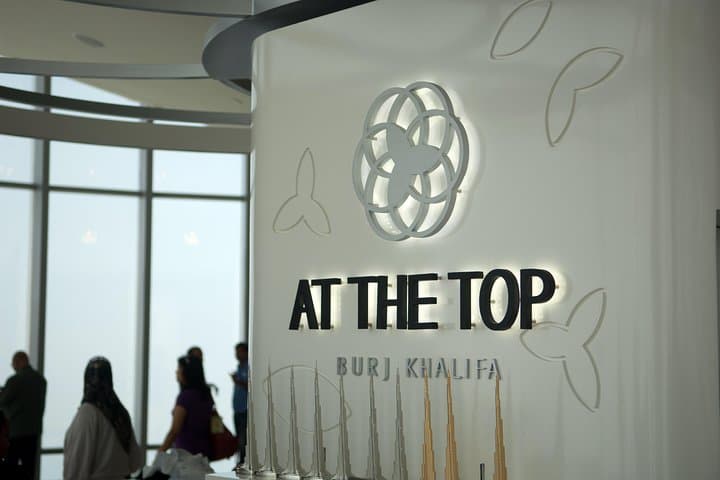
Expect a short multimedia introduction, a 30-minute visit on the spacious deck, high-powered telescopes and a VR segment that reconstructs the climb to the summit. Elevators move at roughly 10 m/s, so entry is fast but slots are timed: off-peak tickets reduce crowds and make golden-hour viewing possible. Security is routine; carry a digital or paper ticket and arrive 15–20 minutes early. Photographers will want a wide lens and quick shutter settings for shifting light; modest dress is respectful near cultural sites. Use the Dubai Metro and the connected promenades to avoid traffic, and plan around the Dubai Fountain shows if you want a water-and-light foreground. The deck is climate-controlled, but the view — and the vertigo it teases — is raw.
easy.
30–45 minutes.
Suitable for all fitness levels; short walks and a few stairs may be involved
The standard visit is about 30 minutes on the deck; allow extra time for entry, multimedia presentations and security checks.
Off-peak tickets are typically final sale for specific time slots; check the booking terms carefully before purchase.
Yes—Burj Khalifa has accessible routes, elevators and facilities, but notify the operator in advance for assistance if needed.
Photography is allowed, but tripods and large equipment may be restricted during busy times—use handheld cameras or smartphone stabilizers.
The Burj Khalifa opened in 2010 as the centrepiece of Downtown Dubai, conceived during a building boom to create a global hub for business and tourism.
High visitor numbers and energy use are ongoing concerns; favor public transit, avoid single-use plastics and follow venue guidance to reduce impact.
Rayna tourism LLC operates guided outdoor trips and adventures with an emphasis on safety, stewardship, and memorable experiences.
The doors slide shut and, in seconds, the city falls away: glass walls, a hum of acceleration and a horizon made of glass and sand. Arriving on Level 125 feels like stepping onto a metal promontory above the Arabian Gulf; the skyline reaches toward you while the streets shrink into a precise, sun-silvered grid.
The doors slide shut and, in seconds, the city falls away: glass walls, a hum of acceleration and a horizon made of glass and sand. Arriving on Level 125 feels like stepping onto a metal promontory above the Arabian Gulf; the skyline reaches toward you while the streets shrink into a precise, sun-silvered grid.
Burj Khalifa opened in 2010 as the focal point of Downtown Dubai, designed by Adrian Smith at Skidmore, Owings & Merrill during a period of explosive growth. The tower’s concrete and steel rise from reclaimed coastal flats and compacted sabkha, an engineered base that allowed engineers to build higher than anywhere else. Level 125 is finished in Arabic mashrabiya motifs that frame 360-degree sightlines; the experience pairs modern engineering with local visual culture.
Expect a short multimedia introduction, a 30-minute visit on the spacious deck, high-powered telescopes and a VR segment that reconstructs the climb to the summit. Elevators move at roughly 10 m/s, so entry is fast but slots are timed: off-peak tickets reduce crowds and make golden-hour viewing possible. Security is routine; carry a digital or paper ticket and arrive 15–20 minutes early. Photographers will want a wide lens and quick shutter settings for shifting light; modest dress is respectful near cultural sites. Use the Dubai Metro and the connected promenades to avoid traffic, and plan around the Dubai Fountain shows if you want a water-and-light foreground. The deck is climate-controlled, but the view — and the vertigo it teases — is raw.