THE ADVENTURE COLLECTIVE® · Independent discovery and booking for outdoor travel

Ascend to the world’s tallest observation decks at Burj Khalifa and watch Dubai spread out below. This guide covers what to expect on levels 124, 125 and 148, plus practical tips for timing, tickets, and accessibility.
Ascend to the world’s tallest observation decks at Burj Khalifa and watch Dubai spread out below. This guide covers what to expect on levels 124, 125 and 148, plus practical tips for timing, tickets, and accessibility.
You step into a glass cylinder, the elevator doors close, and the city slides away—ten meters a second upward until the skyline fuses into a single glittering plane.
Verified experiences and guided adventures in the surrounding area.
Operated by Sham Al Marjan Tours LLC · Dubai, Dubai
You step into a glass cylinder, the elevator doors close, and the city slides away—ten meters a second upward until the skyline fuses into a single glittering plane.
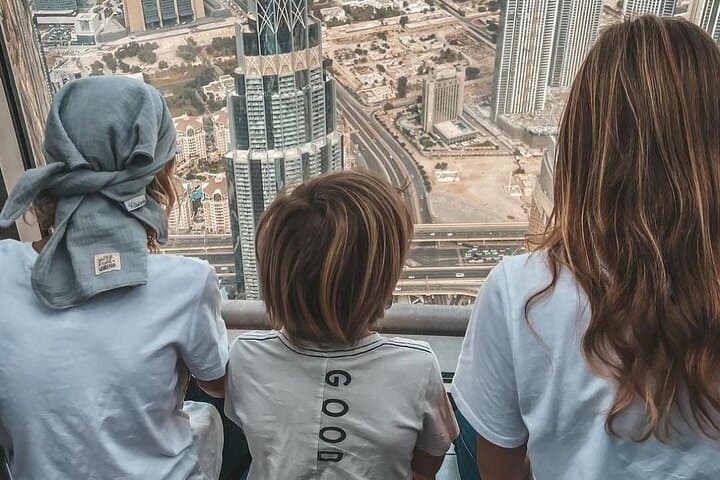
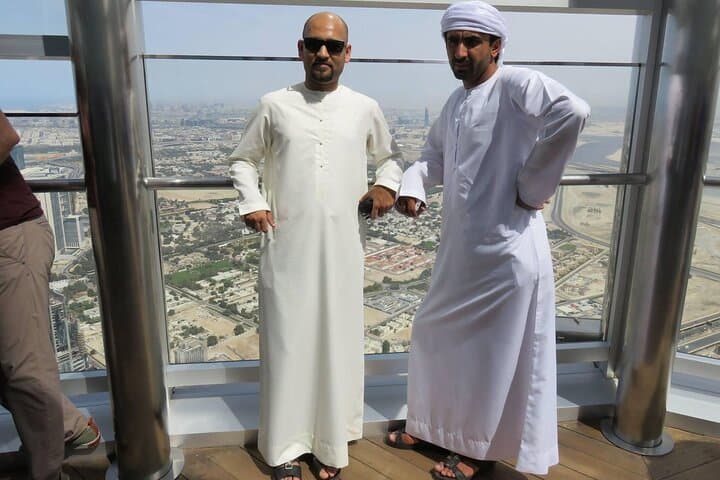
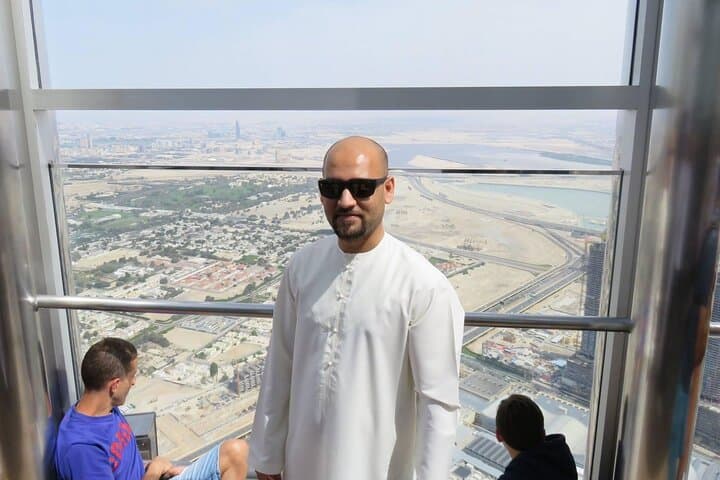
From At The Top on levels 124 and 125, and the rarer Level 148 SKY experience, Dubai unfolds like a practiced performance: the Persian Gulf flashing to the northeast, the Dubai Fountain composing arcs below, and the low desert sky pushing heat against the glass. High-powered telescopes and an outdoor terrace turn the city into a livable map of roads, islands, and ambitious architecture.
The Burj Khalifa opened in 2010 as a milestone in engineering by Skidmore, Owings & Merrill and Emaar; its stepped Y-shaped core was informed by Islamic architecture and desert conditions. Geologically, the tower rises from reclaimed and compacted sands on a massive concrete pile foundation—an urban mountain in a coastal desert.
Culturally, the tower sits at Downtown Dubai’s social heart: evening fountain shows, the adjacent souk, and coffee houses where locals and visitors compare viewpoints. For planning: book a timed ticket to avoid crowds, carry ID for entry, and pick early morning or sunset for the most comfortable light and temperatures. The observatory is wheelchair-accessible and stroller-friendly, but expect security screening and timed entry windows.
Bring sun protection even indoors—the terrace reflects heat—and allow 90–180 minutes to enjoy exhibits, telescopes, and the VR SKY option if selected. Public transit (Dubai Metro) drops you within a short walk of the entrance; arriving with a reserved time gives you the best chance at unobstructed views.
easy.
2–3 hours.
Minimal physical exertion—suitable for most fitness levels; expect some standing and walking over short distances
Yes—visitors are required to present valid photo ID or passport at the entrance for verification.
Depends on your ticket option—some tickets include levels 124 and 125, while SKY on level 148 is sold separately or as an upgraded option; check your booking details.
Yes—Burj Khalifa provides elevator access and accessible routes; staff can assist with entry and navigation.
Personal drones are prohibited; small handheld tripods may be restricted—check security rules and staff guidance on photography gear.
Completed in 2010, the Burj Khalifa was designed by Adrian Smith and constructed by Emaar as part of a broader Downtown Dubai redevelopment to showcase modern Emirati urbanism.
High visitor volumes and urban lighting affect local energy and water use; prefer public transit, follow designated paths, and avoid littering to minimize impact.
Sham Al Marjan Tours LLC operates guided outdoor trips and adventures with an emphasis on safety, stewardship, and memorable experiences.
You step into a glass cylinder, the elevator doors close, and the city slides away—ten meters a second upward until the skyline fuses into a single glittering plane.
You step into a glass cylinder, the elevator doors close, and the city slides away—ten meters a second upward until the skyline fuses into a single glittering plane.
From At The Top on levels 124 and 125, and the rarer Level 148 SKY experience, Dubai unfolds like a practiced performance: the Persian Gulf flashing to the northeast, the Dubai Fountain composing arcs below, and the low desert sky pushing heat against the glass. High-powered telescopes and an outdoor terrace turn the city into a livable map of roads, islands, and ambitious architecture.
The Burj Khalifa opened in 2010 as a milestone in engineering by Skidmore, Owings & Merrill and Emaar; its stepped Y-shaped core was informed by Islamic architecture and desert conditions. Geologically, the tower rises from reclaimed and compacted sands on a massive concrete pile foundation—an urban mountain in a coastal desert.
Culturally, the tower sits at Downtown Dubai’s social heart: evening fountain shows, the adjacent souk, and coffee houses where locals and visitors compare viewpoints. For planning: book a timed ticket to avoid crowds, carry ID for entry, and pick early morning or sunset for the most comfortable light and temperatures. The observatory is wheelchair-accessible and stroller-friendly, but expect security screening and timed entry windows.
Bring sun protection even indoors—the terrace reflects heat—and allow 90–180 minutes to enjoy exhibits, telescopes, and the VR SKY option if selected. Public transit (Dubai Metro) drops you within a short walk of the entrance; arriving with a reserved time gives you the best chance at unobstructed views.