THE ADVENTURE COLLECTIVE® · Independent discovery and booking for outdoor travel

Stand above Dubai on the Burj Khalifa’s Levels 124 and 125 for 360° city, desert, and sea views. This timed-entry experience combines fast elevators, indoor displays, and an outdoor terrace—book early for sunset slots.
Stand above Dubai on the Burj Khalifa’s Levels 124 and 125 for 360° city, desert, and sea views. This timed-entry experience combines fast elevators, indoor displays, and an outdoor terrace—book early for sunset slots.
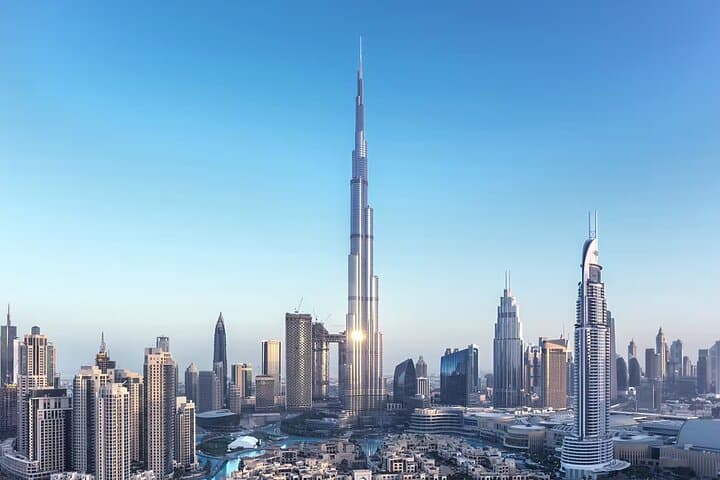
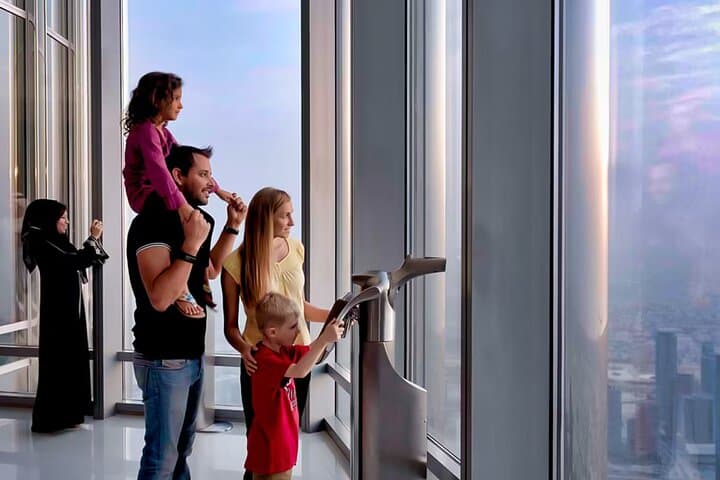
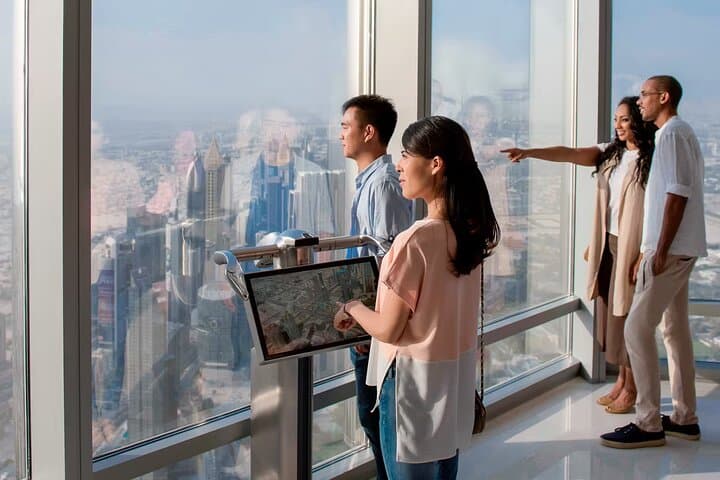
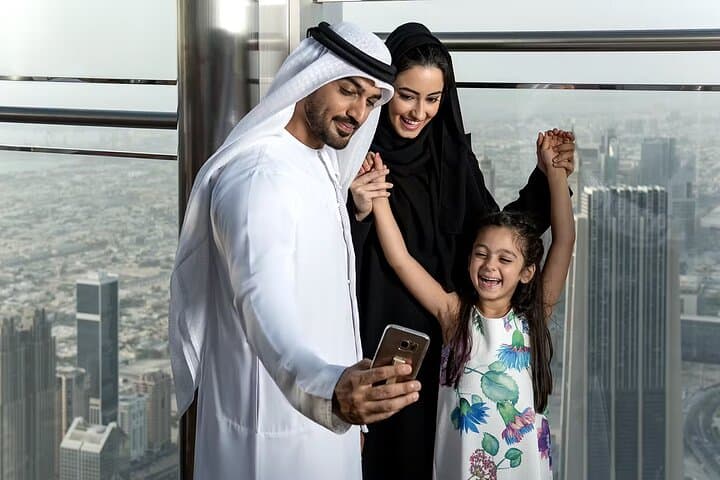
A rush elevator lift, silence, then the city opens beneath you: glass walls turn Dubai into a grid of light and sand, the Persian Gulf a distant silver band. On Levels 124 and 125, floor-to-ceiling panes and an outdoor terrace give framed views of the city, the desert pushing outward from the marble of Downtown and the Dubai Fountain sketching movement below.
Verified experiences and guided adventures in the surrounding area.
Operated by Trip Knox Ltd · Dubai, Dubai
A rush elevator lift, silence, then the city opens beneath you: glass walls turn Dubai into a grid of light and sand, the Persian Gulf a distant silver band. On Levels 124 and 125, floor-to-ceiling panes and an outdoor terrace give framed views of the city, the desert pushing outward from the marble of Downtown and the Dubai Fountain sketching movement below.
The Burj Khalifa rose as the keystone of Downtown Dubai, completed in 2010 and designed to showcase modern engineering and urban ambition. The concrete-and-steel column sits on geology of reclaimed coastal flats and shales; from the tower you read the human geography—malls, highways, and the deliberate geometry of an oil-era boom turned tourist grid.
Culturally the tower is a landmark for Dubai’s global image; it’s a place where architecture and commerce meet. Locals use the Mall and Opera plaza; visitors come for the view and the precise, efficient experience of timed entries and elevators that climb hundreds of meters in heartbeats.
Practical guidance: tickets are timed and sell out at sunset—book in advance and bring a mobile ticket. Allow 60–120 minutes for security, exhibits, and the terraces. Lightweight layers are useful—the terrace can be windy even when ground level is hot. Photography is excellent from the glass and outdoor deck; telescopes and interactive displays are on-site. Public transit and the Dubai Mall link are the easiest ways to arrive; follow staff directions and security rules to keep the visit smooth.
easy.
1–2 hours.
Suitable for all fitness levels; requires only short walking and standing periods
Allow 60–120 minutes to pass through security, explore the exhibits, visit Levels 124 and 125, and use the outdoor terrace.
Standard policy allows a full refund if canceled at least 24 hours before the scheduled time; same-day cancellations are generally non-refundable.
The attraction is accessible with elevators and level routes; contact the venue ahead for specific assistance or to request accommodations.
Timed tickets often sell out during peak hours—online booking is recommended; limited walk-up availability may exist but is not guaranteed.
Opened in 2010, the Burj Khalifa was designed by Adrian Smith and built as the centerpiece of Downtown Dubai’s redevelopment, symbolizing the city’s rapid 21st-century growth.
High visitor volumes are managed through timed tickets and security; reduce your footprint by using public transit and following on-site waste and photography guidelines.
Trip Knox Ltd operates guided outdoor trips and adventures with an emphasis on safety, stewardship, and memorable experiences.
A rush elevator lift, silence, then the city opens beneath you: glass walls turn Dubai into a grid of light and sand, the Persian Gulf a distant silver band. On Levels 124 and 125, floor-to-ceiling panes and an outdoor terrace give framed views of the city, the desert pushing outward from the marble of Downtown and the Dubai Fountain sketching movement below.
A rush elevator lift, silence, then the city opens beneath you: glass walls turn Dubai into a grid of light and sand, the Persian Gulf a distant silver band. On Levels 124 and 125, floor-to-ceiling panes and an outdoor terrace give framed views of the city, the desert pushing outward from the marble of Downtown and the Dubai Fountain sketching movement below.
The Burj Khalifa rose as the keystone of Downtown Dubai, completed in 2010 and designed to showcase modern engineering and urban ambition. The concrete-and-steel column sits on geology of reclaimed coastal flats and shales; from the tower you read the human geography—malls, highways, and the deliberate geometry of an oil-era boom turned tourist grid.
Culturally the tower is a landmark for Dubai’s global image; it’s a place where architecture and commerce meet. Locals use the Mall and Opera plaza; visitors come for the view and the precise, efficient experience of timed entries and elevators that climb hundreds of meters in heartbeats.
Practical guidance: tickets are timed and sell out at sunset—book in advance and bring a mobile ticket. Allow 60–120 minutes for security, exhibits, and the terraces. Lightweight layers are useful—the terrace can be windy even when ground level is hot. Photography is excellent from the glass and outdoor deck; telescopes and interactive displays are on-site. Public transit and the Dubai Mall link are the easiest ways to arrive; follow staff directions and security rules to keep the visit smooth.