THE ADVENTURE COLLECTIVE® · Independent discovery and booking for outdoor travel

Ascend the Burj Khalifa for panoramic views of Dubai from observation decks on Levels 124, 125 and the exclusive Level 148. This guide covers what to expect, brief history, and practical tips to make the most of your visit.
Ascend the Burj Khalifa for panoramic views of Dubai from observation decks on Levels 124, 125 and the exclusive Level 148. This guide covers what to expect, brief history, and practical tips to make the most of your visit.
You step out of the high-speed elevator and the city opens like a map below you — glass towers, the Persian Gulf glinting, and the desert folding away toward the horizon. On Levels 124 and 125, floor-to-ceiling windows invite a 360-degree read of Dubai's geometry; on Level 125 a glass floor asks for a breath, Level 148 offers a quieter, higher vantage for the skyline-minded.
Verified experiences and guided adventures in the surrounding area.
Operated by Infinite Journeys · Dubai, Dubai
You step out of the high-speed elevator and the city opens like a map below you — glass towers, the Persian Gulf glinting, and the desert folding away toward the horizon. On Levels 124 and 125, floor-to-ceiling windows invite a 360-degree read of Dubai's geometry; on Level 125 a glass floor asks for a breath, Level 148 offers a quieter, higher vantage for the skyline-minded.
Completed in 2010 after a rapid multi-year build, the Burj Khalifa redefined how cities stake claims to the sky. Geologically the view is framed by coastal plain and man-made islands; culturally it sits at Dubai’s crossroads of ambition, commerce, and spectacle — the fountain show below choreographs water against architecture and nightly crowds.
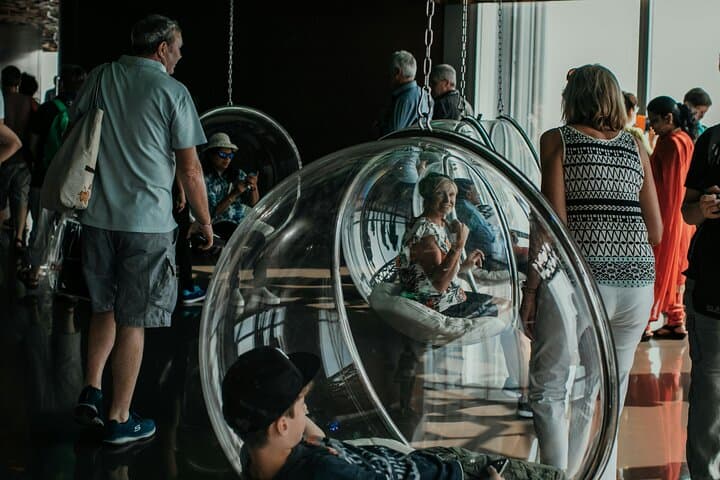
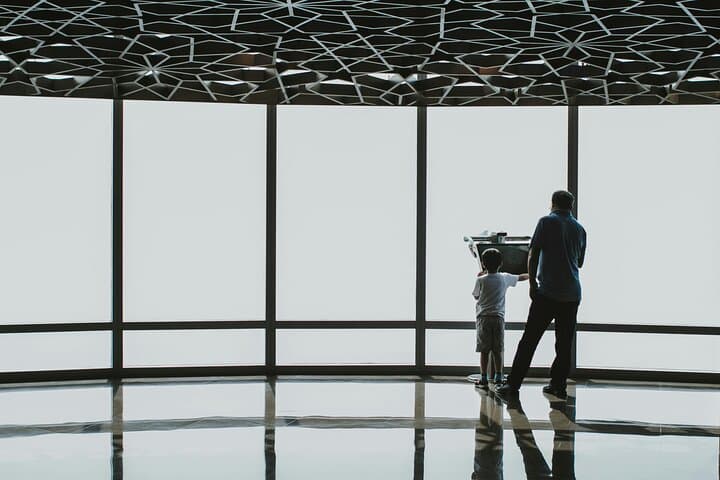
Expect telescopes, interactive displays, and curated sightlines rather than wilderness. The experience is urban observation dressed with interpretation: learn about the tower’s engineering, catch the fountain’s spray pattern, or time your visit for sunset light that tilts the glass facades into warmer tones.
Practical guidance: book an assigned time and arrive 20–30 minutes early to clear security. Public transport (Dubai Metro) drops you within comfortable walking distance and helps avoid the heavy mall crowds. Travel light — handheld cameras, charged phones, a light layer for the higher deck breeze and sunglasses for glare. Accessibility is high: elevators and surfaces accommodate wheelchairs and strollers, but check specific ticket inclusions if you need assistance. Whether you want a quick photo-stop or to linger with a coffee on the higher deck, At the Top distills Dubai into a precise, panoramic moment — urban altitude with grounded logistics.
easy.
2–3 hours.
No special fitness required; accessible for most visitors including those with limited mobility
Tickets are sold for specific entry times; mobile tickets are accepted—printing is not required, but bring valid ID if requested.
Yes—elevators, surfaces, and viewing areas are wheelchair accessible; indicate special requirements when booking if you need assistance.
Small handheld cameras and phones are fine; larger tripods or professional setups may be restricted—check the operator’s policy before bringing bulky equipment.
Sunset offers dramatic light but is busiest; early morning or late evening provide clearer air and fewer crowds for photography.
Constructed between 2004 and 2010, Burj Khalifa became the world’s tallest building on opening day and anchors downtown Dubai’s rapid urban development.
The tower and surrounding developments consume significant resources; visitors can reduce impact by using public transit, avoiding single-use plastics, and respecting site rules.
Infinite Journeys operates guided outdoor trips and adventures with an emphasis on safety, stewardship, and memorable experiences.
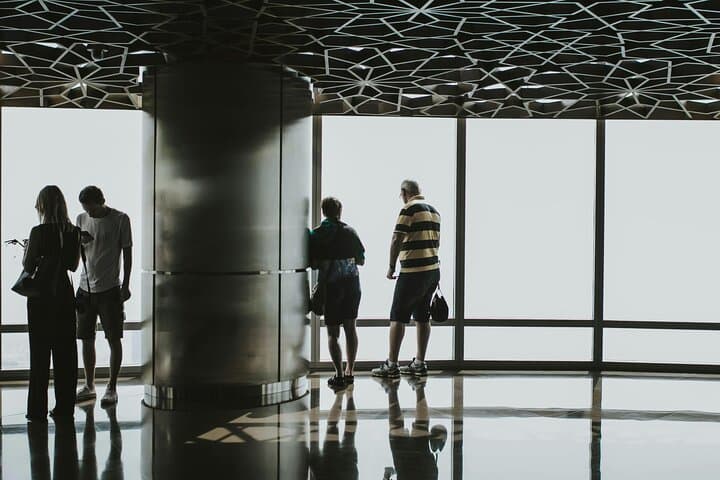
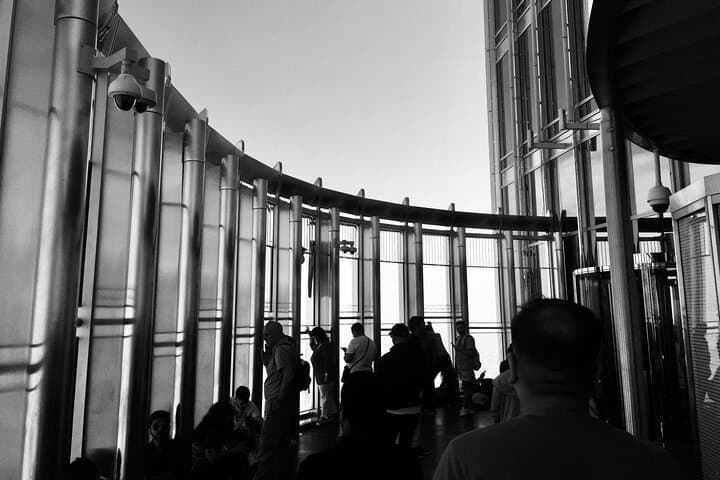
You step out of the high-speed elevator and the city opens like a map below you — glass towers, the Persian Gulf glinting, and the desert folding away toward the horizon. On Levels 124 and 125, floor-to-ceiling windows invite a 360-degree read of Dubai's geometry; on Level 125 a glass floor asks for a breath, Level 148 offers a quieter, higher vantage for the skyline-minded.
You step out of the high-speed elevator and the city opens like a map below you — glass towers, the Persian Gulf glinting, and the desert folding away toward the horizon. On Levels 124 and 125, floor-to-ceiling windows invite a 360-degree read of Dubai's geometry; on Level 125 a glass floor asks for a breath, Level 148 offers a quieter, higher vantage for the skyline-minded.
Completed in 2010 after a rapid multi-year build, the Burj Khalifa redefined how cities stake claims to the sky. Geologically the view is framed by coastal plain and man-made islands; culturally it sits at Dubai’s crossroads of ambition, commerce, and spectacle — the fountain show below choreographs water against architecture and nightly crowds.
Expect telescopes, interactive displays, and curated sightlines rather than wilderness. The experience is urban observation dressed with interpretation: learn about the tower’s engineering, catch the fountain’s spray pattern, or time your visit for sunset light that tilts the glass facades into warmer tones.
Practical guidance: book an assigned time and arrive 20–30 minutes early to clear security. Public transport (Dubai Metro) drops you within comfortable walking distance and helps avoid the heavy mall crowds. Travel light — handheld cameras, charged phones, a light layer for the higher deck breeze and sunglasses for glare. Accessibility is high: elevators and surfaces accommodate wheelchairs and strollers, but check specific ticket inclusions if you need assistance. Whether you want a quick photo-stop or to linger with a coffee on the higher deck, At the Top distills Dubai into a precise, panoramic moment — urban altitude with grounded logistics.