THE ADVENTURE COLLECTIVE® · Independent discovery and booking for outdoor travel

Ride the high-speed elevator to 452 m and watch Dubai unfold beneath you. This practical guide outlines what to expect on the 124th-floor observation deck, plus timing, visibility and booking tips.
Ride the high-speed elevator to 452 m and watch Dubai unfold beneath you. This practical guide outlines what to expect on the 124th-floor observation deck, plus timing, visibility and booking tips.
The elevator hums, lights sweep the shaft and in less than a minute you surface 452 meters above Arabian sands. Floor-to-ceiling glass frames a city that seems to organize itself around a single vertical point — glittering highways, the palm-shaped islands, and the Persian Gulf sliding into the horizon. Telescopes line the balustrade; the city becomes a puzzle of plazas, waterways and desert.
Verified experiences and guided adventures in the surrounding area.
Operated by ORIENT TOURS LLC SOLE PROPRIETORSHIP · Dubai, Dubai
The elevator hums, lights sweep the shaft and in less than a minute you surface 452 meters above Arabian sands. Floor-to-ceiling glass frames a city that seems to organize itself around a single vertical point — glittering highways, the palm-shaped islands, and the Persian Gulf sliding into the horizon. Telescopes line the balustrade; the city becomes a puzzle of plazas, waterways and desert.
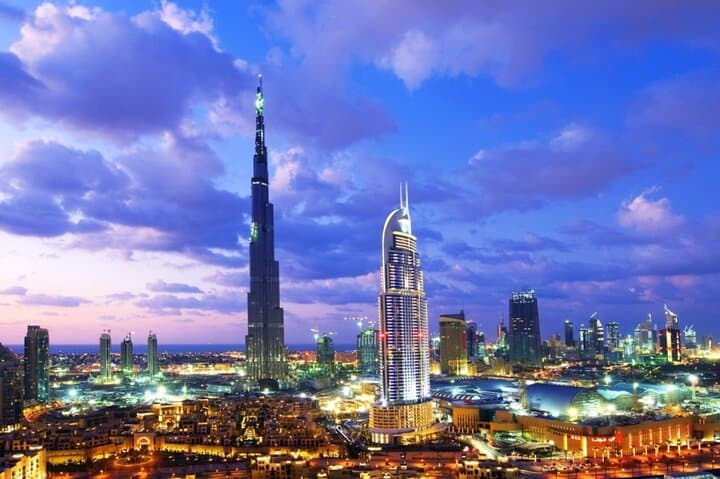
Completed in 2010 and designed by Adrian Smith of SOM, Burj Khalifa redefined engineering ambition and shaped Dubai’s modern skyline. Geologically the view is of a flat coastal plain and reclaimed islands — human-made geometry rising from an arid seascape. Culturally, the tower is both attraction and symbol: a place to watch Dubai perform growth and hospitality at scale.
Practically, the 124th/125th levels are set up for visitors: a short multimedia lift show, indoor viewing with panoramic glass, and an outdoor terrace when conditions permit. Tickets are sold by timeslot; arrive 10 minutes early and keep your booking voucher and photo ID ready. Visibility varies with heat haze in summer and occasional dust; there are no weather refunds, so plan sunrise or late-afternoon slots in cooler months for the sharpest light. Expect crowds during prime hours; once inside you can linger to photograph cityscapes, the Dubai Fountain and Palm Jumeirah.
Bring a charged camera or phone, sun protection for the terrace, and a compact bag — oversized tripods and professional setups are typically restricted. For a short, high-altitude urban experience, At the Top delivers a precise, vertiginous perspective on Dubai’s rapid transformation.
easy.
1–2 hours.
No special fitness required; accessible for most visitors including families and older adults.
You can show the operator’s PDF voucher or a mobile voucher with the 7-digit order number; keep a photo ID ready for verification.
Once admitted you can stay as long as you like within operating hours, though many visitors spend 30–90 minutes exploring both levels.
Yes—access to the open-air terrace varies with ticket type and weather; staff may close the terrace during high winds or poor visibility.
At the Top is suitable for most mobility levels; the site is elevator-accessible, but check with the operator ahead of time for specific assistance needs.
Opened in 2010 and designed by Adrian Smith of Skidmore, Owings & Merrill, Burj Khalifa set new records for height and advanced high-rise engineering.
High visitor numbers are managed by timed tickets to limit congestion; avoid littering and minimise single-use plastics to reduce local environmental strain.
ORIENT TOURS LLC SOLE PROPRIETORSHIP operates guided outdoor trips and adventures with an emphasis on safety, stewardship, and memorable experiences.
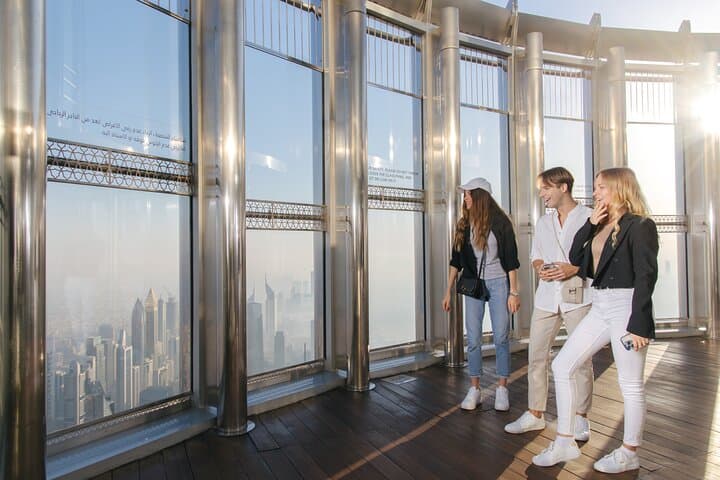
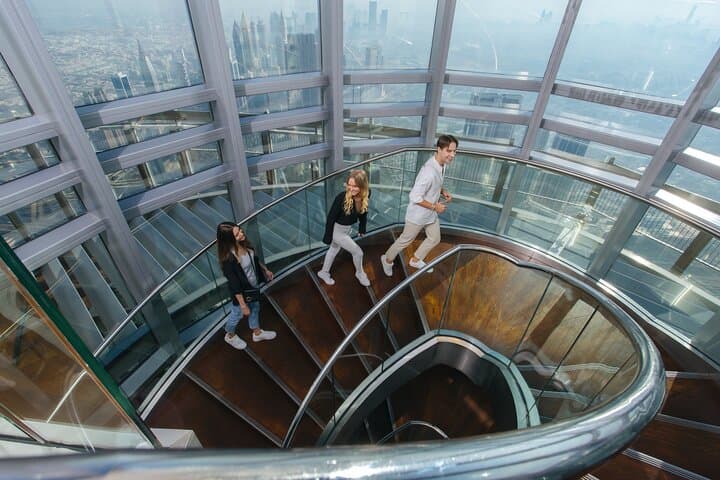
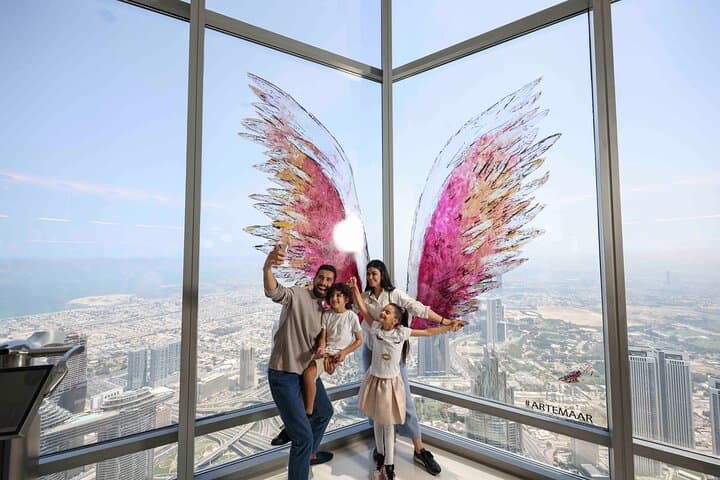
The elevator hums, lights sweep the shaft and in less than a minute you surface 452 meters above Arabian sands. Floor-to-ceiling glass frames a city that seems to organize itself around a single vertical point — glittering highways, the palm-shaped islands, and the Persian Gulf sliding into the horizon. Telescopes line the balustrade; the city becomes a puzzle of plazas, waterways and desert.
The elevator hums, lights sweep the shaft and in less than a minute you surface 452 meters above Arabian sands. Floor-to-ceiling glass frames a city that seems to organize itself around a single vertical point — glittering highways, the palm-shaped islands, and the Persian Gulf sliding into the horizon. Telescopes line the balustrade; the city becomes a puzzle of plazas, waterways and desert.
Completed in 2010 and designed by Adrian Smith of SOM, Burj Khalifa redefined engineering ambition and shaped Dubai’s modern skyline. Geologically the view is of a flat coastal plain and reclaimed islands — human-made geometry rising from an arid seascape. Culturally, the tower is both attraction and symbol: a place to watch Dubai perform growth and hospitality at scale.
Practically, the 124th/125th levels are set up for visitors: a short multimedia lift show, indoor viewing with panoramic glass, and an outdoor terrace when conditions permit. Tickets are sold by timeslot; arrive 10 minutes early and keep your booking voucher and photo ID ready. Visibility varies with heat haze in summer and occasional dust; there are no weather refunds, so plan sunrise or late-afternoon slots in cooler months for the sharpest light. Expect crowds during prime hours; once inside you can linger to photograph cityscapes, the Dubai Fountain and Palm Jumeirah.
Bring a charged camera or phone, sun protection for the terrace, and a compact bag — oversized tripods and professional setups are typically restricted. For a short, high-altitude urban experience, At the Top delivers a precise, vertiginous perspective on Dubai’s rapid transformation.