THE ADVENTURE COLLECTIVE® · Independent discovery and booking for outdoor travel

Ride one of the world’s fastest elevators and stand 456 meters above Downtown Dubai. This guide covers what you’ll see on the 124th and 125th floors, plus practical tips for booking, timing, and photographing the city from above.
Ride one of the world’s fastest elevators and stand 456 meters above Downtown Dubai. This guide covers what you’ll see on the 124th and 125th floors, plus practical tips for booking, timing, and photographing the city from above.
You step out of the elevators and the city rearranges itself beneath you: a ribbon of glass towers, the glitter of the Arabian Gulf, and the serrated geometry of the Dubai Fountain far below. The 124th-floor observation deck opens wide with panoramic optics and fast telescopes; the 125th floor extends that view with Arabic mashrabiya screens and a dramatic glass-floor moment that asks you to trust the engineering beneath your feet.
Verified experiences and guided adventures in the surrounding area.
Operated by Night Wings Travel & Tourism · Dubai, Dubai
You step out of the elevators and the city rearranges itself beneath you: a ribbon of glass towers, the glitter of the Arabian Gulf, and the serrated geometry of the Dubai Fountain far below. The 124th-floor observation deck opens wide with panoramic optics and fast telescopes; the 125th floor extends that view with Arabic mashrabiya screens and a dramatic glass-floor moment that asks you to trust the engineering beneath your feet.
Built from 2004 to 2010, the Burj Khalifa sits on a foundation driven into Dubai’s sandy desert—an engineered response to local geology and the region’s rapid urban growth. The tower’s stepped profile reflects both Islamic architectural motifs and modern structural needs, and the surrounding Downtown district has evolved into Dubai’s cultural and commercial core.
Expect a mix of high-tech and cultural cues: VR exhibits that dramatize the ascent, mashrabiya ornamentation that filters light, and interpretive displays about the tower’s place in Dubai’s development. On clear days the Arabian Desert looms to the south and the Persian Gulf to the northwest; winds can shift the city’s heat and light quickly, so the view changes in minutes.
Practical guidance: book a timed slot to avoid queues, arrive 15–20 minutes early to clear security, and reserve sunset slots well in advance. Carry water, sun protection for outdoor terraces, and a charged camera — elevators are fast, so plan where you’ll shoot. If you’re sensitive to heights, choose the indoor sections and use the telescopes for steady framing. The visit is short but dense: treat it like a vertical city tour—quick, panoramic, and designed to leave you oriented to Dubai’s scale.
easy.
1–1.5 hours.
Minimal fitness required; suitable for most visitors who can stand and walk short distances.
The official visit is about 60 minutes; allow extra time for security, queuing, and photography.
Walk-up availability exists but is limited—book online or via the ticket link to guarantee a specific time slot.
Yes; infants may sit on laps and strollers are accessible, but keep an eye on outdoor terrace edges.
Yes—the glass-floor areas are engineered and regularly inspected; if you have vertigo, opt for the indoor viewing areas.
Completed in 2010, Burj Khalifa was built during Dubai’s rapid 2000s expansion and is a focal point of the Downtown Dubai master plan.
High visitor numbers concentrate impacts in Downtown; follow building rules, minimize waste, and use public transport to reduce local congestion.
Night Wings Travel & Tourism operates guided outdoor trips and adventures with an emphasis on safety, stewardship, and memorable experiences.
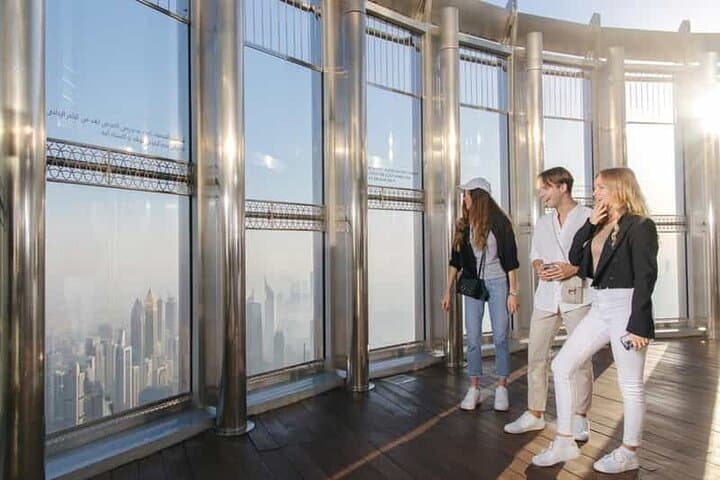
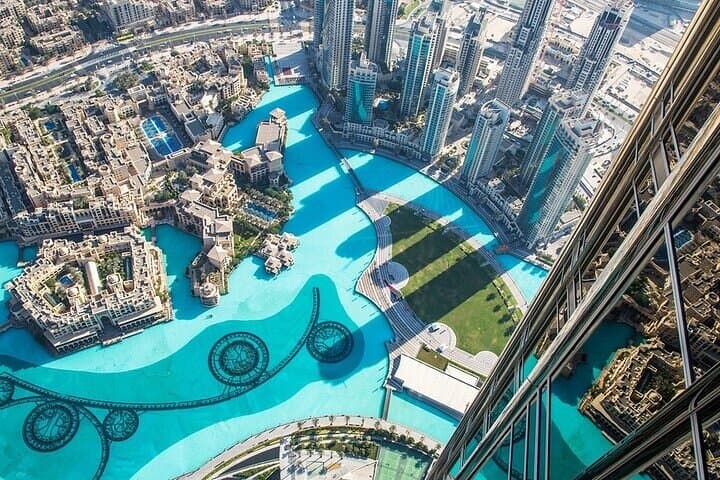
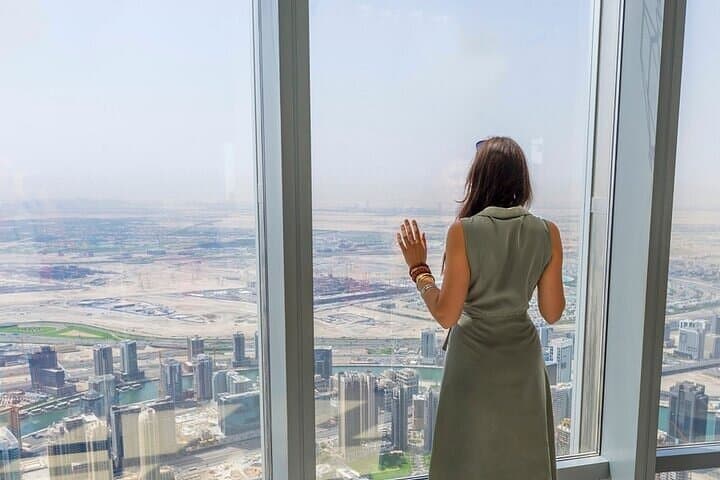
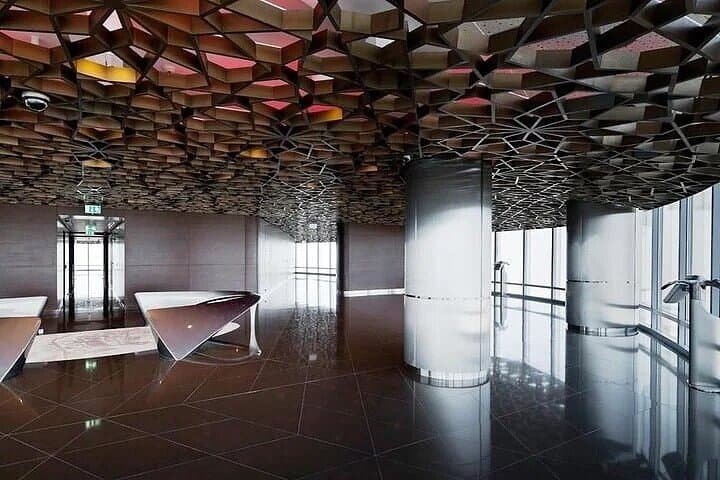
You step out of the elevators and the city rearranges itself beneath you: a ribbon of glass towers, the glitter of the Arabian Gulf, and the serrated geometry of the Dubai Fountain far below. The 124th-floor observation deck opens wide with panoramic optics and fast telescopes; the 125th floor extends that view with Arabic mashrabiya screens and a dramatic glass-floor moment that asks you to trust the engineering beneath your feet.
You step out of the elevators and the city rearranges itself beneath you: a ribbon of glass towers, the glitter of the Arabian Gulf, and the serrated geometry of the Dubai Fountain far below. The 124th-floor observation deck opens wide with panoramic optics and fast telescopes; the 125th floor extends that view with Arabic mashrabiya screens and a dramatic glass-floor moment that asks you to trust the engineering beneath your feet.
Built from 2004 to 2010, the Burj Khalifa sits on a foundation driven into Dubai’s sandy desert—an engineered response to local geology and the region’s rapid urban growth. The tower’s stepped profile reflects both Islamic architectural motifs and modern structural needs, and the surrounding Downtown district has evolved into Dubai’s cultural and commercial core.
Expect a mix of high-tech and cultural cues: VR exhibits that dramatize the ascent, mashrabiya ornamentation that filters light, and interpretive displays about the tower’s place in Dubai’s development. On clear days the Arabian Desert looms to the south and the Persian Gulf to the northwest; winds can shift the city’s heat and light quickly, so the view changes in minutes.
Practical guidance: book a timed slot to avoid queues, arrive 15–20 minutes early to clear security, and reserve sunset slots well in advance. Carry water, sun protection for outdoor terraces, and a charged camera — elevators are fast, so plan where you’ll shoot. If you’re sensitive to heights, choose the indoor sections and use the telescopes for steady framing. The visit is short but dense: treat it like a vertical city tour—quick, panoramic, and designed to leave you oriented to Dubai’s scale.