THE ADVENTURE COLLECTIVE® · Independent discovery and booking for outdoor travel

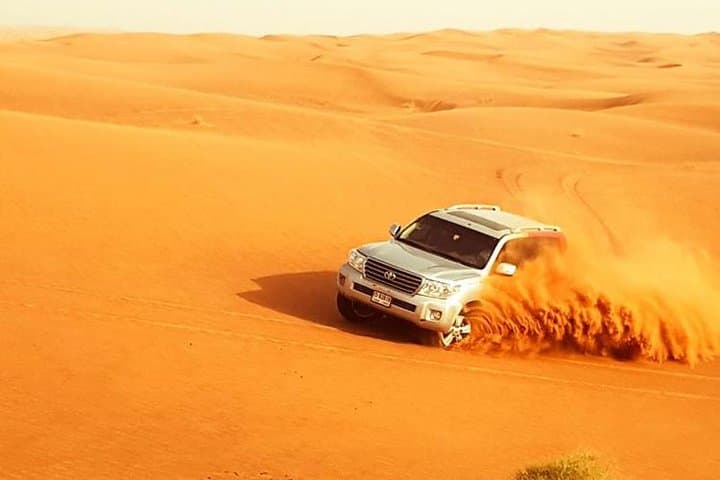
Pair panoramic city views from the Burj Khalifa’s 125th-floor deck with the raw drama of Lahbab’s dunes in one day. This combo mixes fast elevators and skyline telescopes with dune bashing, camel rides, and a desert camp BBQ.
Pair panoramic city views from the Burj Khalifa’s 125th-floor deck with the raw drama of Lahbab’s dunes in one day. This combo mixes fast elevators and skyline telescopes with dune bashing, camel rides, and a desert camp BBQ.
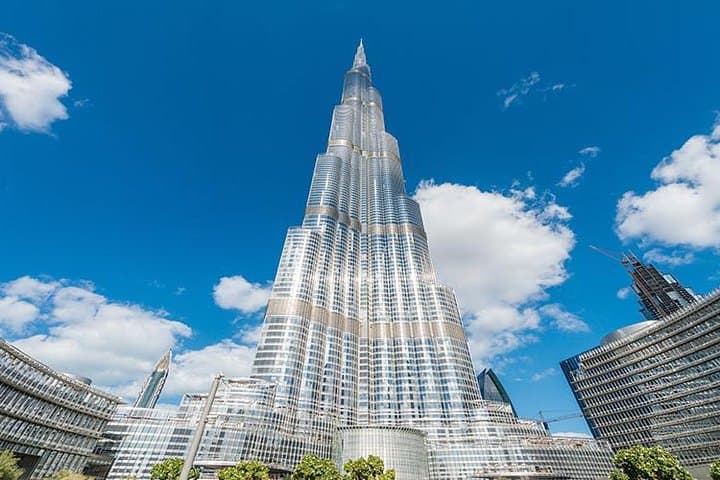
A morning in Downtown Dubai opens with a glass-and-steel skyward rush: visitors step into the Burj Khalifa’s elevator and, in a minute, the city shrinks beneath a 125th-floor balcony. The view is geometric—canals, clusters of towers, the fountain’s choreography—while telescopes frame the coastline and the salt-flat ribbon of the Persian Gulf.
Verified experiences and guided adventures in the surrounding area.
Operated by Al Atif Tourism · Dubai, Dubai
A morning in Downtown Dubai opens with a glass-and-steel skyward rush: visitors step into the Burj Khalifa’s elevator and, in a minute, the city shrinks beneath a 125th-floor balcony. The view is geometric—canals, clusters of towers, the fountain’s choreography—while telescopes frame the coastline and the salt-flat ribbon of the Persian Gulf.
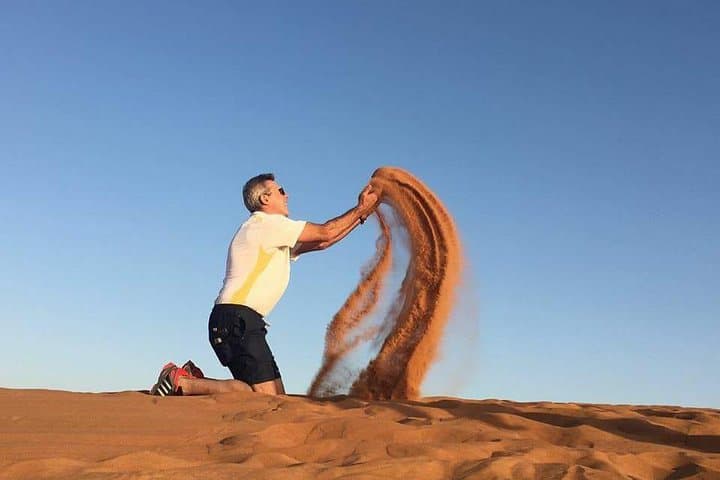
Later the scene shifts. The city’s geometry gives way to rolling ochre dunes of Lahbab where wind sculpts ridges that dare the traveller to climb. The Burj itself is a product of rapid 21st-century ambition—completed 2010, designed to push vertical limits—while the desert carries millennia of Bedouin knowledge: camel routes, falconry, and an economy formed around sparse water and seasonal winds.
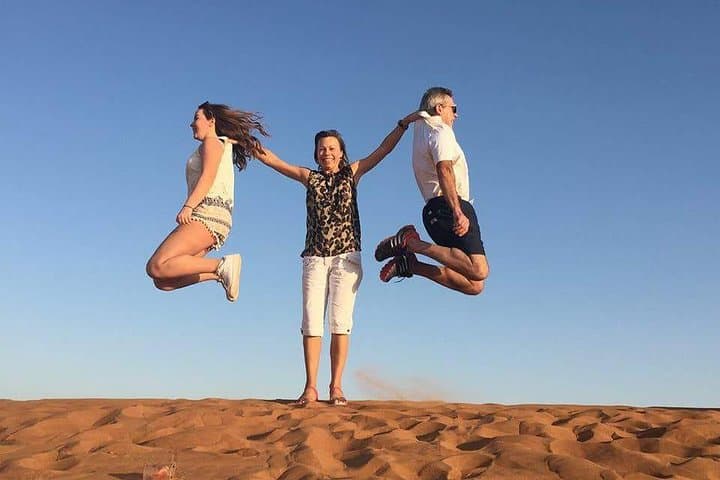
Culturally this combo pairs two Dubai stories: technological ascent and enduring desert tradition. Expect a sensory contrast—air-conditioned observation decks and the raw, warm scent of sand; a skyline framed by engineered light, followed by a sunset that deepens color as the land cools.
Practical guidance: book a late-afternoon timeslot for the Burj to catch golden light and the fountain show. For the desert, choose an operator that uses regulated dune tracks and respects wildlife; dune bashing is thrilling but abrupt—sit centrally and hold on. Wear breathable layers, sturdy closed-toe shoes for walking on sand, and carry at least 1.5 liters of water per person. Respect local customs at camps (modest dress for shows) and follow guides’ safety briefings for activities like sandboarding and camel rides. With timing and basic preparation, this combo delivers both the city’s engineered spectacle and the desert’s elemental pull.
moderate.
6–8 hours.
Suitable for travelers in average fitness: mostly short standing and walking, plus vehicle rides and light sand scrambling.
Yes—this combo includes access to the observation deck on the 125th floor (At The Top) as stated in the itinerary.
Pickup options are commonly offered; confirm your pickup point at booking since transfer types vary by package.
Operators vary, but the activity notes indicate wheelchair accessibility; contact the provider ahead to confirm accessibility for specific desert activities.
Infants are allowed but must sit on an adult’s lap for included tickets; bring necessary child supplies and confirm any age restrictions for desert attractions.
Burj Khalifa opened in 2010 as a symbol of Dubai’s rapid urban expansion; the Lahbab dunes have supported Bedouin travel and camel grazing for centuries.
Choose operators that avoid off-track driving and follow Leave No Trace—vehicle impact accelerates dune erosion and disturbs native desert flora and fauna.
Al Atif Tourism operates guided outdoor trips and adventures with an emphasis on safety, stewardship, and memorable experiences.
A morning in Downtown Dubai opens with a glass-and-steel skyward rush: visitors step into the Burj Khalifa’s elevator and, in a minute, the city shrinks beneath a 125th-floor balcony. The view is geometric—canals, clusters of towers, the fountain’s choreography—while telescopes frame the coastline and the salt-flat ribbon of the Persian Gulf.
A morning in Downtown Dubai opens with a glass-and-steel skyward rush: visitors step into the Burj Khalifa’s elevator and, in a minute, the city shrinks beneath a 125th-floor balcony. The view is geometric—canals, clusters of towers, the fountain’s choreography—while telescopes frame the coastline and the salt-flat ribbon of the Persian Gulf.
Later the scene shifts. The city’s geometry gives way to rolling ochre dunes of Lahbab where wind sculpts ridges that dare the traveller to climb. The Burj itself is a product of rapid 21st-century ambition—completed 2010, designed to push vertical limits—while the desert carries millennia of Bedouin knowledge: camel routes, falconry, and an economy formed around sparse water and seasonal winds.
Culturally this combo pairs two Dubai stories: technological ascent and enduring desert tradition. Expect a sensory contrast—air-conditioned observation decks and the raw, warm scent of sand; a skyline framed by engineered light, followed by a sunset that deepens color as the land cools.
Practical guidance: book a late-afternoon timeslot for the Burj to catch golden light and the fountain show. For the desert, choose an operator that uses regulated dune tracks and respects wildlife; dune bashing is thrilling but abrupt—sit centrally and hold on. Wear breathable layers, sturdy closed-toe shoes for walking on sand, and carry at least 1.5 liters of water per person. Respect local customs at camps (modest dress for shows) and follow guides’ safety briefings for activities like sandboarding and camel rides. With timing and basic preparation, this combo delivers both the city’s engineered spectacle and the desert’s elemental pull.