THE ADVENTURE COLLECTIVE® · Independent discovery and booking for outdoor travel

Travel the historic Nile corridor between Aswan and Luxor with private transport and guided stops at Kom Ombo and Edfu. This full-day transfer combines comfortable driving with expert-led visits to two of Upper Egypt’s most striking Ptolemaic temples.
Travel the historic Nile corridor between Aswan and Luxor with private transport and guided stops at Kom Ombo and Edfu. This full-day transfer combines comfortable driving with expert-led visits to two of Upper Egypt’s most striking Ptolemaic temples.
You start the day in an air-conditioned vehicle, the Nile unspooling against the window—palm-lined islands, mud-brick villages and the flat, ochre escarpments that mark Upper Egypt. The first skyline that arrests you is Kom Ombo: a twin-temple pylon rising from the riverbank, crocodile mummies and carved reliefs catching hard desert light.
Verified experiences and guided adventures in the surrounding area.
Operated by Eyes of Egypt · Kom Ombo, Aswan Governorate
You start the day in an air-conditioned vehicle, the Nile unspooling against the window—palm-lined islands, mud-brick villages and the flat, ochre escarpments that mark Upper Egypt. The first skyline that arrests you is Kom Ombo: a twin-temple pylon rising from the riverbank, crocodile mummies and carved reliefs catching hard desert light.
Kom Ombo’s dual dedication to Sobek and Horus reflects local religion and the Nile’s volatile personality; nearby Nilometers recorded its moods for millennia. A little farther north, the Ptolemaic massiveness of Edfu’s pylon and hypostyle halls give a different lesson—power consolidated in stone, ritual scenes still crisp after two thousand years. Geologically, the route follows the narrow, fertile ribbon of the Nile Valley where alluvial soil supports date palms and small farms, punctuated by limestone bluffs.
Culturally, you’ll pass small market towns where feluccas tie up and farmers tend plots with traditional tools—modern life layered over ancient landscapes. Local guides will frame the temples with stories of pharaohs, priests and the seasonal flood that made Egypt possible.
Practical guidance: this is a full-day, private transfer of roughly 7–8 hours with two guided temple stops; entrance fees are paid on-site. Wear sun-protective clothing and sturdy shoes for uneven stone surfaces, carry at least 1–2 liters of water, and plan for early pickup to avoid midday heat. Respect signage and avoid touching bas-reliefs; budgeting time for photography and short walks keeps the day relaxed. The experience pairs comfortable road travel with focused, on-site exploration—ideal for travelers wanting efficient movement between Aswan and Luxor while sampling two of Egypt’s best-preserved temple complexes.
easy.
7–8 hours.
Suitable for most travelers; requires short walks on uneven stone and standing during guided explanations.
No—entrance tickets for Kom Ombo and Edfu are paid on-site; guides can advise current prices and help with purchasing.
Total travel is about 7–8 hours; typical stops allot ~60–90 minutes at Kom Ombo and ~60–120 minutes at Edfu depending on your group’s pace.
The service lists wheelchair-accessible transport, but temple terrain includes steps and uneven surfaces—contact the operator in advance to arrange assistance and routing.
Yes—this is a private transfer and the order, timing, and pickup/drop-off points can usually be adjusted; confirm details at booking.
Kom Ombo and Edfu are Ptolemaic-era temples that reflect Egypt’s fusion of Greek and Pharaonic religious architecture; the Nile’s annual flood shaped settlement and ritual for millennia.
Sites are protected and visitor behavior affects preservation—avoid touching reliefs, follow marked paths, and minimize plastic waste to protect the fragile riverside environment.
Eyes of Egypt operates guided outdoor trips and adventures with an emphasis on safety, stewardship, and memorable experiences.



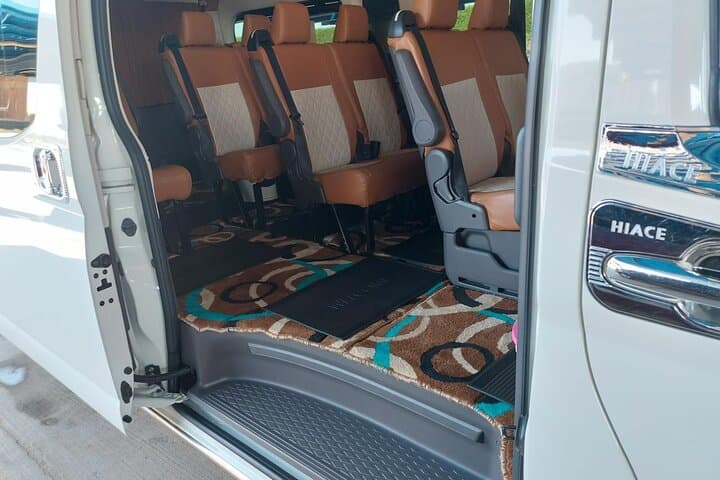
You start the day in an air-conditioned vehicle, the Nile unspooling against the window—palm-lined islands, mud-brick villages and the flat, ochre escarpments that mark Upper Egypt. The first skyline that arrests you is Kom Ombo: a twin-temple pylon rising from the riverbank, crocodile mummies and carved reliefs catching hard desert light.
You start the day in an air-conditioned vehicle, the Nile unspooling against the window—palm-lined islands, mud-brick villages and the flat, ochre escarpments that mark Upper Egypt. The first skyline that arrests you is Kom Ombo: a twin-temple pylon rising from the riverbank, crocodile mummies and carved reliefs catching hard desert light.
Kom Ombo’s dual dedication to Sobek and Horus reflects local religion and the Nile’s volatile personality; nearby Nilometers recorded its moods for millennia. A little farther north, the Ptolemaic massiveness of Edfu’s pylon and hypostyle halls give a different lesson—power consolidated in stone, ritual scenes still crisp after two thousand years. Geologically, the route follows the narrow, fertile ribbon of the Nile Valley where alluvial soil supports date palms and small farms, punctuated by limestone bluffs.
Culturally, you’ll pass small market towns where feluccas tie up and farmers tend plots with traditional tools—modern life layered over ancient landscapes. Local guides will frame the temples with stories of pharaohs, priests and the seasonal flood that made Egypt possible.
Practical guidance: this is a full-day, private transfer of roughly 7–8 hours with two guided temple stops; entrance fees are paid on-site. Wear sun-protective clothing and sturdy shoes for uneven stone surfaces, carry at least 1–2 liters of water, and plan for early pickup to avoid midday heat. Respect signage and avoid touching bas-reliefs; budgeting time for photography and short walks keeps the day relaxed. The experience pairs comfortable road travel with focused, on-site exploration—ideal for travelers wanting efficient movement between Aswan and Luxor while sampling two of Egypt’s best-preserved temple complexes.