THE ADVENTURE COLLECTIVE® · Independent discovery and booking for outdoor travel

Paddle the Nile from Aswan to Luxor over six nights aboard a supported kayaking expedition that pairs sustained river miles with visits to Kom Ombo, Edfu and Luxor's temples. Expect long days on calm water, simple onboard accommodation, and guided archaeological stops.
Paddle the Nile from Aswan to Luxor over six nights aboard a supported kayaking expedition that pairs sustained river miles with visits to Kom Ombo, Edfu and Luxor's temples. Expect long days on calm water, simple onboard accommodation, and guided archaeological stops.
You push off at first light from Aswan, the boat's wake shrinking behind you while the Nile opens into long, slow green. The river scents the day—dust warmed by sun, cardamom from tea on the support boat—and the papyrus-lined banks slide past like pages of history.
Verified experiences and guided adventures in the surrounding area.
Operated by Nubian Kayak Club · Aswan, Aswan Governorate
You push off at first light from Aswan, the boat's wake shrinking behind you while the Nile opens into long, slow green. The river scents the day—dust warmed by sun, cardamom from tea on the support boat—and the papyrus-lined banks slide past like pages of history.
This route follows an artery of ancient civilizations: sandstone quarries at Jabal El Silsila, the Ptolemaic symmetry of Kom Ombo, the well-preserved façade at Edfu, and finally the colossal temples around Luxor and Karnak. Geologically the corridor is dominated by Nile alluvium and exposed Nubian sandstone; culturally it remains a living ribbon of riverside villages where farming rhythms and markets persist.
Expect long paddle legs (30–35 km on day one, shorter hops thereafter), calm currents most days, and occasional wind that can change a placid stretch into a working crossing. The support boat carries three bunked cabins with showers and a galley, so nights are river-side but sheltered. Local Egyptologists typically guide temple visits, tying the landscape to inscriptions and funerary architecture.
Practical guidance: start early to avoid midday heat, pace 4–6 hours of paddling daily, and hydrate aggressively—water stops are regular on the support craft. Bring a hat, layered sun-protection, sea- or river-worthy footwear, and a small dry bag for essentials. Respect local customs at villages, follow guides into archaeological sites, and plan for basic but comfortable river accommodation rather than luxury.
This expedition blends sustained paddling with world-class history—an active way to read the Nile's strata and stories while moving through them.
moderate.
6–7 days.
Participants should have moderate cardio fitness and be comfortable paddling 4–6 hours a day; prior kayaking experience recommended.
Moderate paddling experience is recommended; guides provide basic instruction but you'll be on the water for multiple long days.
Daily distances vary—first day can be 30–35 km, subsequent days typically range 12–25 km depending on itinerary and wind.
Accommodation is on a support boat with three rooms fitted with bunk beds, AC, shower and shared facilities—comfortable but basic.
Yes—breakfast, lunch and dinner plus tea/coffee and bottled water are provided; bring personal snacks and any special dietary items.
The route threads through Pharaonic, Ptolemaic and Roman sites; many temples date to the New Kingdom and later Ptolemaic additions. The Nile has been the lifeline of Upper Egypt for millennia.
Travelers should avoid plastic pollution, follow guide instructions at archaeological sites, and minimize disturbance to riverside habitats by using biodegradable products and packing out waste.
Nubian Kayak Club operates guided outdoor trips and adventures with an emphasis on safety, stewardship, and memorable experiences.
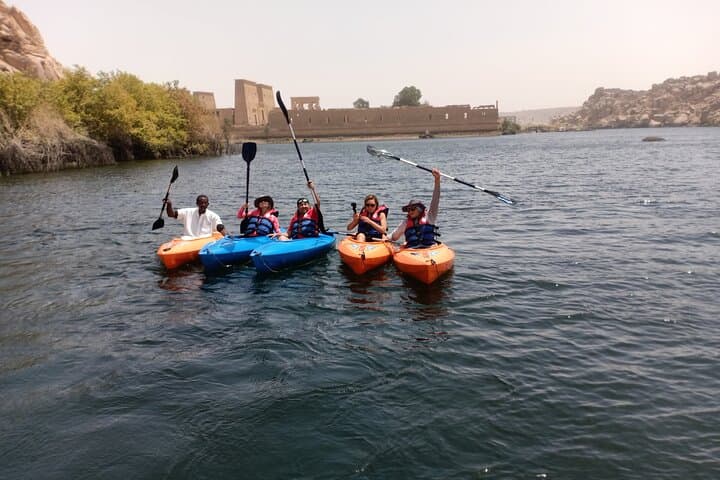
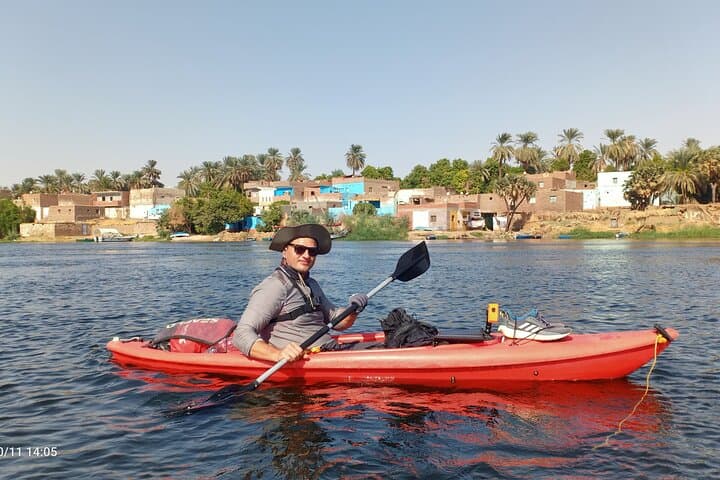
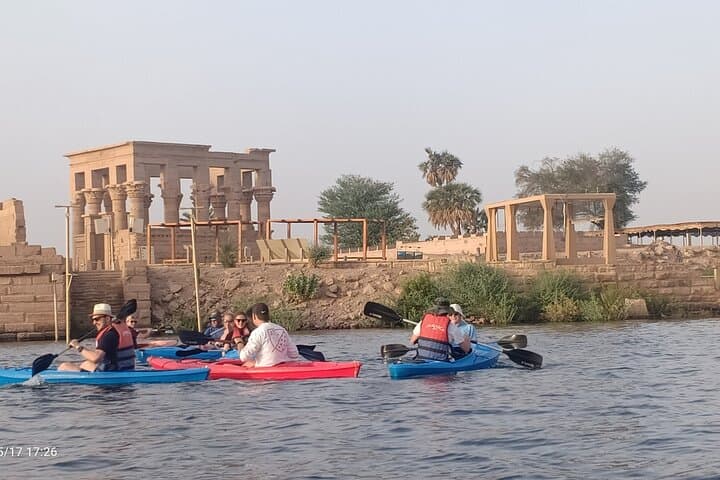
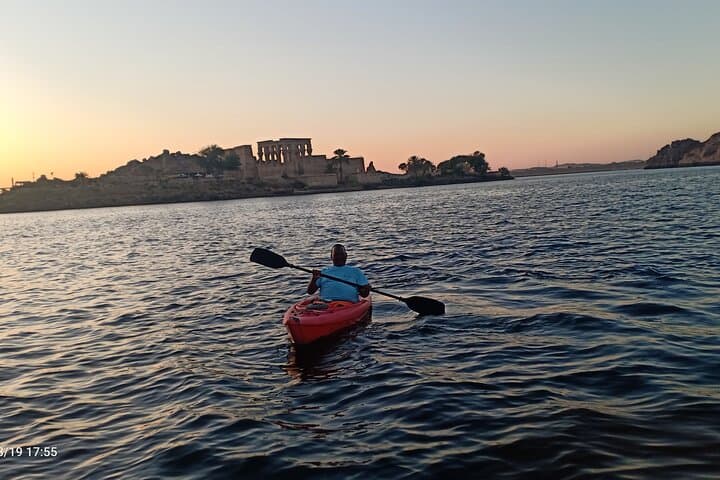
You push off at first light from Aswan, the boat's wake shrinking behind you while the Nile opens into long, slow green. The river scents the day—dust warmed by sun, cardamom from tea on the support boat—and the papyrus-lined banks slide past like pages of history.
You push off at first light from Aswan, the boat's wake shrinking behind you while the Nile opens into long, slow green. The river scents the day—dust warmed by sun, cardamom from tea on the support boat—and the papyrus-lined banks slide past like pages of history.
This route follows an artery of ancient civilizations: sandstone quarries at Jabal El Silsila, the Ptolemaic symmetry of Kom Ombo, the well-preserved façade at Edfu, and finally the colossal temples around Luxor and Karnak. Geologically the corridor is dominated by Nile alluvium and exposed Nubian sandstone; culturally it remains a living ribbon of riverside villages where farming rhythms and markets persist.
Expect long paddle legs (30–35 km on day one, shorter hops thereafter), calm currents most days, and occasional wind that can change a placid stretch into a working crossing. The support boat carries three bunked cabins with showers and a galley, so nights are river-side but sheltered. Local Egyptologists typically guide temple visits, tying the landscape to inscriptions and funerary architecture.
Practical guidance: start early to avoid midday heat, pace 4–6 hours of paddling daily, and hydrate aggressively—water stops are regular on the support craft. Bring a hat, layered sun-protection, sea- or river-worthy footwear, and a small dry bag for essentials. Respect local customs at villages, follow guides into archaeological sites, and plan for basic but comfortable river accommodation rather than luxury.
This expedition blends sustained paddling with world-class history—an active way to read the Nile's strata and stories while moving through them.